- Key Takeaways
- The St. Louis Style
- Finding The Lou’s Best
- The Sauce is Boss
- Beyond the Rack
- How to Eat
- A City’s Identity
- Conclusion
- Frequently Asked Questions
- What makes St. Louis–style ribs different from other BBQ ribs?
- Where can I find authentic St. Louis ribs in the city?
- Should I order St. Louis ribs dry-rubbed or sauced?
- How should properly cooked St. Louis ribs feel and look?
- What sides pair best with St. Louis ribs?
- Can I find gluten-free or vegetarian BBQ options in St. Louis?
- How do critics and locals judge the “best” ribs in St. Louis?
Key Takeaways
- St. Louis style ribs are a trimmed, rectangular cut of spare ribs that cook evenly and slice easily, perfect for BBQ taverns and family dinners. Search for that meaty, flat, and even rack when you order.
- The classic cook low-and-slow smokes on hickory or cherry until tender and juicy, with a never-failing mojo of steady heat and pan moisture, finishing on the grill for a crispy, caramelized exterior.
- Signature St. Louis sauce is tomato-based, sweet, and tangy with brown sugar and vinegar notes. Basting near the end or requesting extra sauce on the side will maximize the sticky glaze.
- Dive into a variety of old-school joints, new-wave smokehouses, neighborhood shacks and food trucks throughout St. Louis, St. Charles and surrounding suburbs to taste best-in-class ribs, signature sides and local sauce twists.
- Pair ribs with must-have local sides like brisket chili, applesauce, mac and cheese, and fresh-baked cornbread. Best balance their flavor with regionally inspired beers or lagers from nearby breweries.
- Devour these best BBQ ribs in St. Louis with your hands, carry extra napkins, snack on multiple sauces bite by bite, and soak in the celebratory communal vibe that makes STL BBQ so central to the city’s foodie culture.
Best BBQ ribs in St. Louis are slow-smoked pork ribs perfectly balanced with our love of smoke, spice, and sweet glaze.
St. Louis styles prefer pork spare ribs that are trimmed for uniform cooking and coated with a sweet, tangy, tomato-based sticky sauce.
The top spots in the city use hickory or oak, long cook times near 4 to 6 hours, and a dry rub before saucing.
The guide below lists trusted places and tasting tips.
The St. Louis Style
St. Louis barbecue focuses on one specific cut and a defined style that generates super tender, meat-forward ribs with generous coverage of thick, tomato-based sauce. The style combines slow smoking with a finishing char and shows up across both long-established taverns and newer smokehouses that together characterize the local scene for Best BBQ Ribs St. Louis.
The Cut
We trim our ribs from spare ribs to give them that perfect, rectangular rack with the brisket bone and excess cartilage removed, which gives you more meat in every bite and a cleaner presentation. Pork ribs rule the menus here because they possess the perfect ratio of fat to lean, which renders down during slow cooking and absorbs smoke and sauce like a sponge.
The trimmed cut allows for even heat transfer across the rack, so chefs can carve neat, single-bone servings for plates, platters, or communal boards at family dinner and BBQ taverns. Ribs are frequently dry rubbed prior to smoking to develop a savory bark to complement the sugary sauce.
- Differences between St. Louis style and baby back ribs:
- St. Louis: cut from spare ribs, rectangular, more meat, less cartilage.
- Baby back: cut from loin, shorter and leaner, curved shape.
- St. Louis: better for long smokes and sliced portions.
- Baby back: cooks faster, lighter bite, often preferred for tenderness.
The Cook
Smoking is low and slow at moderate temperatures to dissolve connective tissue while retaining moisture in muscle fibers. Typical woods include hickory and cherry. Hickory provides a strong backbone and cherry delivers fruit-forward flavors and a rich mahogany color.
Pitmasters maintain constant heat and moisture, often mopping the surface with apple juice or a thin mop sauce to moisten and push flavors into the meat. Several teams do the aluminum foil wrap around two-thirds through the cook. This “rest and steam” action accelerates tenderness and holds in juices.
For textural contrast, finish on a hot grill or in a 250 degree oven for 20 to 30 minutes to set a lightly crisp exterior and caramelize sugars from the rub and sauce.
The Sauce
Classic St. Louis sauce is thick, tomato-based and sweetly tangy, frequently constructed with brown sugar, ketchup and a splash of vinegar to cut richness. Baste ribs with sauce late in the cook to create a sticky glaze instead of burning sugars in long exposure to smoke.
Local spots vary; some offer molasses-forward sauces, some with mustard or cayenne notes, and others that add beer or smoked onion for depth. Request additional sauce on the side so that each eater can adjust sweetness and heat to their preference.
Finding The Lou’s Best
St. Louis has a multilayered barbecue ecosystem that blends longstanding homespun classics with newer smokehouses and food trucks, all worthy of a mapped tasting tour. Here are some concentrated picks and what to anticipate, along with good-to-know details on plates and times to organize a multi-stop journey through St. Louis, St. Charles, Wentzville and other surrounding towns.
1. The Old-School Joint
- Pappy’s Smokehouse and C&K Barbecue are the cornerstones of the best BBQ ribs, founded on low-and-slow cooking and consistent crowds.
- Anticipate a throwback room, wait lines, counter service, and staff who know regulars by name. A few open only a few days and sell out early, so check hours first.
- Signature plates feature meaty St. Louis-style ribs, smoky Memphis cuts, rib tips, and classic BBQ ham. A North Side staple since 1976 is renowned for saucy ribs, rib tips, and snoots.
- Menu add-ons such as brisket sliders or a 20-ounce pork steak complete the meal and burnt ends show up at joints that infuse KC swagger into area ribs.
2. The Modern Smokehouse
- Beast Craft BBQ and Dalie’s Smokehouse represent the best BBQ ribs in St. Louis with a modern bent: house rubs, custom wood blends such as cherry and ash, and premium meats.
- Kitchens emphasize technique and flavor layering. Anticipate house-made sauces, unusual wood blends and such starters as brisket chili and brisket egg rolls.
- Modern dining rooms, open kitchens and craft beer lists attract foodies and younger crowds who want ribs and composed plates like blackened chicken salad.
- Don’t overlook daily specials and signature sandwiches — an ultimate Reuben or a Cuban-style pork sandwich often accompanies smoked mains. Fried fire-and-ice pickles or Frito pie could make an appearance as creative accompaniments.
3. The Neighborhood Gem
- These small joints in Kirkwood, Ellisville, and Valley Park offer steady, friendly BBQ that pays off in repeat visits.
- These shacks have that ‘cozy’ feel and reliable ribs served with homestyle sides like mac and cheese and applesauce.
- Served some days are local menus say Fork Steak Sandwich, a fall-apart pork steak on a soft warm bun and Jamaican-inspired callaloo as a seasonal side.
- Backing these hubs means you can sample local twists and discover hidden jewels off the beaten path.
4. The Food Truck Find
- BBQ trucks and pop-ups deliver the best BBQ ribs in St. Louis to festivals, breweries, and late-night crowds with rotating menus.
- Follow social feeds, hours, and locations. Trucks will post specials exclusively on Instagram or Twitter.
- You’ll see creative riffs: rib sandwiches, brisket chili bowls, and brisket egg rolls. Limited runs can include unique sides like callaloo or burnt ends tacos.
- Follow faves for seasonal flavors and one-off collab alerts.
The Sauce is Boss
St Louis BBQ is about the sauce. From sweet and sticky to tangy and spicy, they often distinguish the house more than the rub or smoke. Sauces here tend to aim for balance. The sweetness level is about 4 on a 1 to 5 scale, enough molasses-forward smoke to give depth without cloying, and sometimes a savory heft that echoes meat drippings.
Tanginess ranges more significantly, approximately 1.75 to 5, and finishes often reveal an unexpected black pepper heat that slices through sugar and smoke. Thickness matters. Thin, vinegar-forward sauces suit mop work and brisket spritzing, while thicker glazes cling to ribs and caramelize under heat.
|
|
|
|
|
|
|---|---|---|---|---|
|
|
|
|
|
|
|
|
|
|
|
|
|
|
|
|
|
|
|
|
|
|
|
|
|
|
|
|
|
|
There are simple rules that serve you well in pairing sauces with meat. Ribs favor thicker, molasses-forward glazes that set up a sticky crust and play off the rib’s fat. Brisket uses thinner, savory-forward or mop sauces so smoke and beef juices remain central. A light Carolina or vinegar cut restores brightness.
Smokehouse chicken benefits from moderate sweetness with balanced tang; thinner sauces help skin crisp without pooling. For pulled pork, a vinegar-forward house blend wakes the meat. For burnt ends, a sweet and spicy glaze with black pepper finish gives contrast.
Look for house-made mop sauces and Carolina vinegar blends at each stop. That’s where pit crews demonstrate mastery over thickness and acidity. Sample the specialty like hoodoo or whiskey sauces at hot sauce spots that age or barrel their blends.
House mops, on the other hand, tend to be thin with lower sweetness and higher tang. They are used during long cooks to keep meat moist. Hoodoo and whiskey varieties are often more robust, with umami, booze-infused tastes and cozy layers of spices like mild chili seasonings.
Understand sauce texture and role: too thin and it slides off, too thick and it masks smoke. A good sauce is a balance of sweet, sour, spice, and savory that keeps the meat in the spotlight.
Beyond the Rack
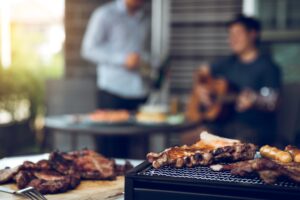
The moniker, “Beyond the Rack,” owes tribute to the local custom of cutting rib ribs after the 13th bone, a St. Louis method formed by local butchers after World War II. St. Louis–style ribs—spare ribs trimmed into a flat, uniform shape—are a city staple because they’re meatier, sit evenly on the smoker, and photograph beautifully at the table.
Average racks weigh 2.75 to 3.5 pounds, which allows pitmasters to achieve consistent cook times and provide the tenderness guests anticipate. Ribs need to come up to 195 to 203°F inside for that perfect pull-apart texture, and sauce is generally applied only during the last 20 to 30 minutes of the smoke, so the glaze sets but doesn’t burn.
Almost always slow-smoked over wood, sometimes hickory or apple, St. Louis ribs boast a trademark smoke and tender chew, with hickory being the preferred wood for its robust, savory lift that enhances pork without overshadowing the flesh.
Essential Sides
- Brisket chili is a hearty bowl that can stand alone or top fries. It is heavy, smoky, and frequently topped with shredded cheese and chopped onions to moderate the heat.
- Southern dumplings are tender, flour-based dumplings stewed in gravy or broth. They provide a gentle, comforting foil to blackened ribs.
- Applesauce is a local, slightly sweet palate cleanser that cuts fat and adds bright acidity.
- Fresh-baked bread or cornbread: in-house bakery loaves or skillet cornbread provide texture. Use them to mop up sauce and juices.
- Pickles and slaw provide acid and crunch that reset the mouth between bites.
- Potato salad and baked beans are classic, filling sides that round out a plate.
Pair these as a checklist when you order: choose at least three sides, include one starch and one acid-based item, add a bakery item, and consider a bowl of brisket chili for sharing. Build a combo plate to test contrasts: smoky meat, sweet applesauce, creamy dumplings, and crunchy slaw.
Local Brews
Rib it up with St. Louis craft beers for a complete meal! Lagers and lighter pilsners cleanse the fat and refresh the palate in between bites, and amber ales and malty lagers complement sweet tomato sauces.
IPAs work when ribs are spicy; their hop bite matches the heat and brightens smoky notes. Sample flights at Ballpark Village taprooms, or scout out St. Charles taprooms for handpicked pairings around leading BBQ houses.
Try a local hoppy pale with spicy ribs, a malty amber with sweeter glaze, and fruity wheat with applesauce sides. Ordering a beer flight or brewery special at dinner allows you to taste how different styles transform the same bite.
For a local flair, inquire which brews are made with local hops or commonly paired by the pitmasters.
How to Eat
St. Louis BBQ is just as much about the ritual as it is about the ribs. Below are some practical notes from what to expect, how to eat, and get the most from a plate of the Best BBQ Ribs in St. Louis before the H3 info.
Napkins Ready
St. Louis ribs are saucy and finger-licking good, so come prepared with a napkin arsenal and expect to use them. Wet wipes or hand towels are standard issue at local BBQ joints, so go crazy with them between bites and after handing off a platter.
Wear casual; a stained shirt is a cheap price to pay for authentic BBQ and almost everywhere anticipates laid-back attire! Don’t be afraid to be messy. There’s something about the sensory bliss of ripping meat from bone, lapping up that glaze, and sampling the crust that’s part of the ritual.
Sauce On
Smile when slathering ribs with a St. Louis sauce you love to achieve maximum flavor on every single bite. Try different sauces across bites: sweet, spicy, vinegar-based, or a house mop sauce to compare which note you prefer.
Request more sauce on the side so you can dip or drizzle and control saturation. Most kitchens have their own special mixes. Ask for little samples whenever you can to go with sides like baked beans, cole slaw, or sauce-soaking toast!
No Forks
Eat St. Louis ribs with your hands; otherwise, it’s not authentic and utensils smudge the flesh and ruin the rhythm. Forks are scarce and usually not needed at neighborhood BBQ joints.
If you employ them, you forego the feel of a rib to know it’s tender. Share racks and pass plates for a communal feel and give cross-sampling a whirl. Different preparations around the same table highlight subtle regional preferences. Finger food is heritage. Let’s make it communal and kinesthetic.
|
Etiquette & Tips |
Why it matters |
|---|---|
|
Order at counter when required |
Speeds service and fits local flow |
|
Share platters with friends |
Taste more styles, lower cost per sample |
|
Napkins + wet wipes |
Ribs are messy; hygiene and comfort |
|
No forks; use hands |
Texture and tradition preserved |
|
Ask for sauce on side |
Control sauce level and try mixes |
|
Sides: slaw, fries, baked beans |
Balance richness; cut fat and add acid |
|
Warm leftovers: oven 250°F 20–30 min |
Keeps juice; remove foil last 5 min for crisp |
|
Grill prep: preheat to 350°F; finish 375°F |
Proper heat for sear then gentle cook |
Technical cooking notes matter to know when ordering or reheating: preheat a gas grill or smoker to 350°F to start St. Louis-style ribs, toast fennel, coriander, and cumin seeds to wake oils, then lower heat to 250°F to avoid overcooking.
Use a rub with 1 tablespoon dried oregano and 1 tablespoon dry mustard. Brown sugar will caramelize for a glazed crust. Increase heat to 375°F and cook wrapped ribs for 30 more minutes to set the glaze.
A City’s Identity
St. Louis’s identity is strongly associated with its barbecue. BBQ ribs in this city aren’t just ribs; they’re a cultural touchstone that connects neighborhoods, generations, and celebrations. It’s the city’s slow-smoked meats sweetly glazed with tomato-based sauce, a thread that runs from old-school corner joints to innovative new kitchens and why so many BEST BBQ Ribs St. Louis fans name St. Louis.
St. Louis is a mix of old and new when it comes to barbecue. Traditional joints keep methods that have worked for decades: wood or charcoal pits, low-and-slow cook times, and the rib cut unique to the region that offers a broad, flat rack with good surface area for bark and sauce. Such restaurants tend to serve sauce on the side, a hearty tomato blend with undertones of sweetness, so you decide the mix.
At the same time, younger cooks bring contemporary technique and flavor charts, non-traditional woods, dry rub chemistry, and fusion sides inspired by Latino or European cuisines while still utilizing the hallmark rib cut. That balance of old and new renders the quest for St. Louis’s Best BBQ Ribs a study in both history and contemporary craft.
BBQ in St. Louis unites! Mom and pop diners are community hubs where patrons know each other’s names and weekend crowds come in for a family meal after church, a little league game or hometown fair. Public events, block parties, music nights, all revolving around pitmasters and stacked trays of ribs, make food an act of civic life.
The city’s musical roots in blues and jazz influence the atmosphere in many barbecue spots: live sets, steady rhythm, and a casual pace that lets people linger over plates of pork and brisket. St. Louis’s barbecue scene mirrors the city’s ethnic diversity. We talk about the influence of certain spices, smoking woods and sides of some traditions from African American pits, European immigrants and Latin notes.
That mix informed dishes and modes of service at local diners and fine-casual places alike. Attention from food writers and critics has intensified local pride. Yup, all the national press about how it’s the thick tomato sauce, rib cut and slow smoking that make their signature flavor profile a tourist draw.
Tourists and natives alike can revel in this tradition as they savor the subtle distinctions each pitmaster adds to the competition for St. Louis’s Best BBQ Ribs.
Conclusion
St. Louis keeps ribs simple and bold. Dry rubs, pork spare ribs cut flat, and sweet-tangy sauce form a distinct flavor. Local joints cook low and slow over gas or wood. Some smoke hard for bark and char. Others steam first, then sauce for sticky ribs that peel right off the bone. Food trucks, backyard joints, and old-school BBQ houses all have great racks. Munch on a half slab at an outdoor picnic area, or soak it all in with a full rack, fries, and cold beer overlooking the river. Remember the sauce spice and bark crunch when you select a joint. Come hungry, pass plates, and request seconds if the meat falls apart. Go and sample what St. Louis boasts as the best.
Frequently Asked Questions
What makes St. Louis–style ribs different from other BBQ ribs?
St. Louis–style ribs are spare ribs trimmed into a flat, rectangular rack. They’re meatier close to the bone and usually marinated with that infamous sticky, sweet tomato sauce. The cut and sauce make the local style.
Where can I find authentic St. Louis ribs in the city?
Scour out the family-owned smokehouses and backyard style BBQ joints in places like The Hill, Soulard, and South City. Look at the local reviews and awards and consistency for authenticity.
Should I order St. Louis ribs dry-rubbed or sauced?
Both are favorites. Dry-rub spotlights smoke and spice. Sauced brings you the classic sweet-tangy St. Louis flavor. Request your waiter’s suggestion and sample them both if you can.
How should properly cooked St. Louis ribs feel and look?
They must have a dark, caramelized bark, a prominent smoke ring, and the meat should still pull from the bone, but remain tender and moist. Steer clear of ribs that taste rubbery or are overly dry.
What sides pair best with St. Louis ribs?
Classic pairings include baked beans, creamy coleslaw, potato salad, and toasted garlic bread. These complement the sweet, smoky ribs and echo local BBQ culture.
Can I find gluten-free or vegetarian BBQ options in St. Louis?
Yes. Most of the good BBQ places have gluten-free sauces and sides. Veggie choices range from smoked cauliflower, grilled portobello, or robust salads. Call ahead to confirm cross-contamination.
How do critics and locals judge the “best” ribs in St. Louis?
They take into account meat quality, seasoning, smoke penetration, sauce balance, consistency, and value. Local honors, customer testimonials, and return visits are usually a good indication of top choices.