- Key Takeaways
- The STL Signature
- Beyond The Cut
- City’s BBQ Roots
- Sauce vs. Rub
- Finding Your Spot
- The Backyard Truth
- Conclusion
- Frequently Asked Questions
- What exactly is St. Louis–style BBQ?
- How do St. Louis ribs differ from baby back ribs?
- Is St. Louis–style BBQ only about sauce?
- What wood is best for authentic St. Louis smoke?
- Can I make St. Louis–style ribs at home?
- Where in St. Louis should I go for authentic St. Louis–style BBQ?
- How should I pair sides and beverages with St. Louis–style BBQ?
Key Takeaways
- St. Louis style BBQ revolves around rectangular spare ribs, cut free of cartilage so they cook evenly and soak in sauce. Perfecting that cut at home provides the signature tender, meaty bite residents crave.
- True to the original, the classic sauce is tomato-forward, sweetened with brown sugar and brightened with vinegar. Basting during low-and-slow cooking generates the sticky, caramelized finish found at the city’s best St. Louis joints.
- Real local smoking employs oak, cherry, or hickory over indirect heat to cultivate a light smoke ring and profound flavor, so stick with those woods and low temps for hours.
- Expand your horizons beyond ribs with pork steak, brisket, sausage, and snoot to get the full St. Louis flavor experience. Add in a few mixed platters or sandwiches for a textural and saucy side-by-side comparison.
- Round out your plate with robust St. Louis style sides such as fried corn and brisket chili and pair them with local brews, sweet tea, or lemonade to cut richness and complement smoky flavor.
- Hit a combination of old neighborhood favorites and trendy smokehouses around downtown, midtown, and the suburbs to sample old recipes and new twists. Use festivals like Lou BBQ as a one-stop shop for tasting the city’s best pitmasters.
Best St. Louis style BBQ means St. Louis style pork ribs trimmed into a rectangular rack and cooked with either a dry rub or sweet tomato-based sauce.
Best in St. Louis style BBQ, top spots use thin, crispy bark and spare rib meat texture and indirect heat setups like offset smokers and kettles.
Local sides usually feature toasted rids and tangy slaw, steering decisions for tourists and home chefs craving genuine regional taste.
The STL Signature
St. Louis barbecue is defined by a few clear markers: the rectangular, meaty rib cut, region-specific sauces, and the use of local hardwoods such as cherry and oak that lend a distinct smoke profile. These all merge with a city culture that holds smoky, sweet, tangy balance in the highest regard, resulting in what many refer to as the Best St. Louis style BBQ.
From classic, walk-in-and-know-what-you’re-gunna-have neighborhood joints to innovative smokehouses, barbecue is at the heart of family tables, Blues games, and summer festivals.
1. The Rib Cut
St. Louis style ribs are spare ribs that have been trimmed into a rectangular shape by cutting off the sternum bone, cartilage, and rib tips to create a more uniform slab. This cut produces a flat, even rack that cooks consistently and displays beautifully.
The additional meat and fat versus baby backs gives STL ribs a denser, more meaty texture and a taste that stands up to aggressive smoking and sauces. A lot of locals swear by them as the cut absorbs smoke and sauce more uniformly, creating what devotees refer to as a “true St. Louis bite.
A simple comparison table helps: St. Louis refers to spare ribs trimmed rectangular with more meat and fat. Baby back refers to shorter, leaner ribs from the loin. Back ribs refer to less meat near the backbone, often from beef. The picture and caption explain why the trimmed spare is the local option.
2. The Sauce
Our St. Louis barbecue sauce is tomato-based, sweetened with brown sugar and finished with a tangy vinegar note that locals call peppery, tomato-heavy barbecue bliss. This sauce covers ribs, pork chops and sandwiches citywide, providing a sticky, caramelized bite when basted during grilling.
Convention recommends basting near the end of the cook so sugars caramelize just enough to char without burning. Popular local brands such as Maull’s and Blues Hog are often suggested. Taste them straight from the bottle and then on ribs and observe the distinction.
Other house blends add heat for the spicy-sweet profile so many STL sauces sport.
3. The Grilling
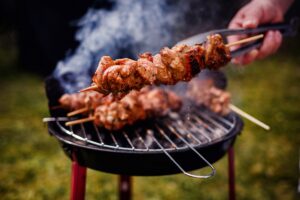
Slow-cooking over indirect heat using oak, cherry, or hickory is par for the course. Cooks of every stripe salivate over a tender, gentle smoke ring and meat that effortlessly pulls apart.
Low-and-slow methods, keeping temperatures in the 225 to 275 degrees Fahrenheit range, generate collagen breakdown and depth of flavor. We see both offset smokers and open pits around St. Louis, with open pits bringing char and theater.
For home cooks, essential tools include a reliable thermometer, water pan, quality charcoal or lump, and a choice of oak or cherry wood.
4. The Pork Steak
Pork steak, cut from the pork shoulder, is a 20-ounce fresh-cut portion at Kenrick’s, smoked, grilled, and braised in sauce until fork-tender. It has been a mainstay at neighborhood joints and family cookouts and is often served as a sandwich with slaw or pickles.
This braising step keeps the shoulder cut moist. Taste it thinly sliced on a toasted bun with extra sauce.
5. The Snoot
Snoot, pig snout slow roasted, seasoned and finished crisp, is a neighborhood delicacy that is crunchy with distinct smoky undertones. Often doused in tangy barbecue or hot sauce, snoots display the city’s ‘use all parts’ heritage and crop up at venerable smokehouses as bar snacks.
For those adventurous diners in search of authenticity, just order snoot when the locals do.
Beyond The Cut
St. Louis barbecue extends well past the known spare rib profile. BBQ standards include brisket smoked low and slow, coarse-link sausages with snap, turkey ribs that stay moist, pulled pork packs that carry sweet-tang sauces, and local favorites like pork steaks, snoots, and rib tips.
These meats represent a local practice of whole-animal butchery and creative cuts, seeded by African American cooks who married Southern methods with local flavors. Community matters here: cookouts, festivals, and catered events are where St. Louisans share pride. Sampling a mixed-meat platter is the most direct way to understand that culture and the range of best St. Louis style BBQ on offer.
Local Woods
Oak, cherry, and hickory seem to be the most prevalent in local smokehouses and backyard pits. Oak imparts consistent, medium smoke that complements pork steaks and big cuts alike without being too bold.
Cherry gives slight sweetness and a rosy tint to the bark which complements turkey ribs and pork shoulder. Hickory is by far the top pick. It imparts strong, slightly sweet smoke that complements both pork and beef naturally and is the foundation of a lot of local flavor styles.
Best pairings to try at home: hickory with pork shoulder or brisket, cherry with turkey or pork loin, and oak with sausages or mixed platters. Others mix woods or infuse fruitwoods like apple for a lighter finish, creating signature notes that make their sandwiches and meaty mashups pop.
Side Dishes
- Fried corn consists of charred kernels tossed in butter and spices that echo the smoke.
- Brisket chili is a dense, tomato-forward chili made with chopped smoked brisket.
- Choice green beans: slow-simmered with bacon or smoked ham hocks.
- Potato salad: creamy, often with mustard and chopped pickles.
- Coleslaw is a crisp, sometimes vinegary counterpoint to rich meats.
Hearty sides are not negotiable; they balance texture and round out a meal. Sample house-made pies or pie shakes at smokehouses turned bakeries for a local twist.
The Drink
- Map local breweries and distilleries near favorite smoke joints: craft pilsners, amber ales, and barrel-aged stouts pair differently with ribs, sausage, and brisket. Tiny distilleries provide rye or bourbon for chews with hot sauce.
- At BBQ bars, anticipate local brews, light lagers, and specialty cocktails that trim fat. Booze sets the meal tone.
- Tip: Make a cheat sheet of the best taps and tasting rooms near your neighborhoods and festival venues to map out pairing routes.
- Non-alcoholic options matter. Sweet tea and lemonade refresh the palate and temper heat from sauces, making them essential at crowded summer gatherings.
City’s BBQ Roots
St. Louis barbecue sprouted up from workhouse kitchens and neighborhood streets into a city-wide food identity. Early meatpackers established slaughterhouses and cut houses by the river, where butchers and cooks discovered how to utilize every part of the hog. French community foodways introduced curing and slow roasts that meshed with Southern smoke techniques.
African American cooks were vital to this mix, bringing Southern methods, spice blends and low-and-slow patience that laid the city’s soulful, savory foundation. German immigrants contributed a knack for sausage making, and Italian families layered on sweet, tomato-forward sauces. It’s these very hands and tastes that crafted City’s BBQ St. Louis-style BBQ – right from the very beginning.
Small corner smokehouses morphed into more formal joints as the city grew. The first storefronts catered to day laborers and dockworkers, delivering pork steaks and smoked sausages at lunch counters. Over decades, those single-room places scaled up into fuller restaurants and regional chains that kept the same key items: St. Louis-style ribs, pulled pork, smoked sausage, and pork steak.
Transitioning from cramped smoke rooms to bustling dining halls demanded operational changes, including bigger smokers, menu standardization, and supply chains, while attempting to maintain down-home expertise that cooks developed in Missouri kitchens.
The Mississippi River influenced where barbecue traveled. River traffic carried workers and commerce, and communities of folks gathered near docks and stockyards to be hot spots for cookouts and midnight platters. Community cookouts, on church lawns or street corners, aided barbecue’s migration between communities, where families exchanged techniques, sauces and hardwood preferences.
Cherry and oak, abundant in local woodlots, became preferred smoking woods, imparting meats with a mild fruit or hardwood essence that local eaters crave. While these get-togethers often entail live music and a party atmosphere, BBQ is both culinary and social adhesive.
St. Louis is home to festivals and a competitive culture. Street fests and rib fests scaled from local jamborees to events pulling teams from all over the country. The city’s barbecue roots supported the advent of official competitions and the World Barbecue Championships, where chefs experiment with rubs, wood smoke time and best sauce timing.
St. Louis-style BBQ sauce — tomato based, sweet, tangy, a little spicy — is frequently brushed on ribs late in cooking to create a glaze, not a long bark. Old favorites such as baked beans and cole slaw round out plates in most joints, keeping the attention on tender, well-seasoned meat with strong local identity.
Sauce vs. Rub
St. Louis-style ribs sit between these saucy and dry-rubbed worlds. The city is known for combining a strong dry rub with a finishing glaze or sauce to bring texture and taste together. Compare the mechanics and results of dry rubs versus sauces, why both work for certain cuts, and provide practical tips for experimenting with both in pursuit of the best St. Louis style BBQ.
- Pros and cons for different cuts:
- Sauce vs. rub
- Pros rub: Builds a crisp, savory bark; brown sugar and paprika aid caramel and color.
- Cons rub: Can dry surface if overcooked; sugar can burn at high heat.
- Pros sauce: Adds moistness and a sticky finish; familiar regional sweetness.
- Cons sauce: Can hide spice nuance; soggy if applied too early.
- Baby back ribs.
- Pros rub: Keeps delicate meat texture clear; spice rub highlights pork flavor.
- Cons rub: Less surface area for crust than spare ribs.
- Pros sauce: Keeps baby backs juicy; quick glaze improves mouthfeel.
- Cons sauce: May mask subtle smoke if overused.
- Pork shoulder / Boston butt.
- Pros rub: Deep seasoning that survives long cooks; forms flavorful bark on pulled pork.
- Cons rub: Needs long smoke to absorb flavor fully.
- Pros sauce: Good for serving pulled pork sandwiches; controls final moisture.
- Cons sauce: Can make shredded meat heavy and sweet.
Dry rubs and sauces behave differently chemically and in the cook’s process. A dry rub usually contains paprika, garlic powder, onion powder, brown sugar, salt, and other spices. It draws out surface moisture and then reacts during low-and-slow cooking to create a savory crust and concentrated taste.
Brown sugar in rubs provides a toasted sweetness and aids in creating a sticky bark when heat and smoke combine. Sauces add moisture, acidity, and sweetness and they alter the mouthfeel. Sauces applied mid-cook or post-cook lend a glossy, sticky coating and can save borderline dry meat.
Compare regional practice: Kansas City-style barbecue slathers sauce during and after cooking. Central Texas keeps it minimal with salt and pepper. East Texas favors sweet, tomato-based sauce. Memphis debates wet versus dry. St. Louis often uses a dry rub then a light glaze to deliver both a seasoned crust and a pleasant finish.
How to experiment: Try a dry-rubbed St. Louis cut finished with a thin tomato-vinegar glaze. Then test a second rack sauced during the last 10 to 15 minutes. Pay attention to texture, bark, and balance. Then tweak sugar level, smoke time, or sauce acidity.
Finding Your Spot
St. Louis has some of the country’s best BBQ and picking your spot is all about matching atmosphere, menu focus and occasion. To assist you with planning visits across downtown, midtown and the ‘burbs, here is a convenient bite-sized table of must-hit spots by area.
| Area | Must-Visit BBQ Spots | Notable Menu Items / Notes |
|---|---|---|
| Downtown | Pappy’s Smokehouse, Bogart’s | Classic ribs, burnt ends, often sell out; midday lines common |
| Midtown | Sugarfire Smoke House, C&K Barbecue | Brisket burgers, smoked turkey ribs, creative sandwiches |
| Suburbs | Local hidden gems, festival booths | Call-in specials, daily-only items like pork loin or Fork Steak Sandwich |
Neighborhood Joints
Local parlors contain the city’s barbecue history. Longtime spots stick to dishes that made them neighborhood hits. Pappy’s Smokehouse and Bogart’s serve saucy, classic ribs and burnt ends that come with a no-frills, convivial vibe reminiscent of weekend cookouts.
These spots tend to post specials daily and have call-in deals. The Doc Rib special is one to watch for. Neighborhood connections manifest in bustling tables, waiters who recognize patrons, and dishes that disappear by mid-afternoon.
Buy local and support these businesses while sampling their specialty offerings. A Wednesday-only pork loin or Fork Steak Sandwich might just explain why a joint stays so crowded!
Modern Smoke
Today’s smokehouses reinvent tradition with innovative formats and chef-driven concepts. Sugarfire Smoke House smokes up fast-casual with brisket burgers and smoked turkey ribs and occasionally partners with local breweries for menus.
Anticipate creative sides such as brisket egg rolls, Frito pie, or Brussels sprouts with pork belly with their signature sandwiches. Write these new spots down so you can check them out and compare textures and sauces.
Some have vibrant scenes and bands, while others have an emphasis on elegant plating. Sample a creative sandwich here and a signature rib there to discover your favorites.
Festival Flavors
Festivals pack your options onto one day or evening and showcase the spectrum of St. Louis pitmasters. Where better to find your style than the Lou BBQ Festival and World Barbecue Championships, places to sample dozens of styles, sauces, and sides all in one day?
Seek out demos and tastings. Festivals are known to feature live music from reggae to Friday-night headliners to amp up the vibe. Scout spots for later visits using your festival visits and look at schedules ahead.
The popular vendors run out quickly. Come armed with a list of must-try things and approach the day as both tasting and research.
The Backyard Truth
Awesome St. Louis style BBQ you can make at home when you choose the right cuts, woods, and technique. Start with pork spare ribs trimmed to the St. Louis cut. Remove the rib tips and cartilage so the slab lies flat and cooks evenly. Use pork shoulder for pulled pork when you crave a fattier, forgiving cut that holds moisture through long cooks.
Brisket lovers, choose a beautifully marbled deckle and prepare for low and slow heat to melt connective tissue. Pick your meat by touch and sight. Stay away from lean, pale pieces that will turn crunchy in lengthy smokes.
One good grill or smoker is worth a million. Pellet smokers provide stable temperatures and convenience for newbs. Offset smokers provide control for the seasoned pitmaster who likes to control smoke and char. Kamado-style ceramic cookers retain heat well and consume less fuel for extended cooks.
Calibrate any unit with a trusted probe thermometer and a separate ambient smoker probe. Know your device’s hot and cool zones in order to position racks for even results. Take notes! Maintain a little electronic notebook with times, temperatures, wood blends, and outcomes so you can repeat successes.
Wood beats sauce for flavor shaping. Apple and cherry impart a delicate, sweet smoke that pairs beautifully with pork and chicken. Hickory and oak create intense, savory flavors that complement beef and hearty ribs. Mix woods: start with a base of oak or hickory and add twenty to thirty percent fruitwood for complexity.
Steer clear of mesquite for long cooks unless you’re looking for a sharp, bitter edge. Immerse chips only for brief charcoal burns. Use dry chunks for long smokes to keep the fire consistent.
Try some local sauces and rubs to keep the cook rooted in St. Louis tradition while representing your area. Classic St. Louis style smears on a sticky, slightly sweet, tomato-based sauce whose tang cuts through fat. Craft sauces and rubs in small batches, adjust sugar, vinegars or mustards and experiment with local honey, beer or chili flakes.
Test rub the night before so salt penetrates. Most sauces burn because the sugars in them were cooked too long, so apply sauce late in cooking and serve on the side for guests.
Throw backyard BBQs and spread the St. Louis barbecue love. Set up a simple service line: sliced ribs, pulled pork, sauce stations, and traditional sides like toasted ravioli, baked beans, and slaw. Invite your friends and neighbors to taste test different wood-smoked batches and vote on their favorites.
It’s an inexpensive recipe refining think tank. Make a checklist of essentials: meats by weight, chosen woods, filler fuel, rubs, sauces, thermometer, tongs, foil, and serving platters. Have backups like a propane torch and additional coals for late nights.
Conclusion
Here’s a FLAVORFUL, direct route to GREAT EATS! Ribs display thin, uniform fat and a flat, meaty bite. A sticky, tangy sauce takes the flavor to another level. Local pits emphasize dry rub, consistent heat and short smoke so meat stays vibrant and tender. Taste a slab from a gas-lean joint, then immediately compare at a fire-forward spot that uses oak or apple wood. Get spare ribs, a toasted bun with pulled pork and a side of sweet slaw for the whole style view. Check out city spots in The Hill or south city neighborhoods to get the vibe and hear local recommendations. Need a quick list of best places or a backyard blueprint to rival a fave spot? Just say and I’ll chart it for you.
Frequently Asked Questions
What exactly is St. Louis–style BBQ?
St. Louis–style BBQ centers around pork, particularly the St. Louis cut of spare ribs, which are trimmed, flat, and meaty. It’s typically cooked low and slow over indirect heat and then finished with a sweet, tangy tomato-based sauce.
How do St. Louis ribs differ from baby back ribs?
St. Louis ribs are actually from the spare rib section. They’re flatter, have more connective tissue, and give you richer pork flavor. Baby back ribs are leaner, shorter, and cook more quickly.
Is St. Louis–style BBQ only about sauce?
No. Sauce is key, but so are rubs, smoke, cut quality, and cooking approach. It is that balance of seasoning and smoke that determines the end result.
What wood is best for authentic St. Louis smoke?
St. Louis favorites include hickory and oak. They provide a hearty, meaty smoke that dresses up pork without dominating it.
Can I make St. Louis–style ribs at home?
Yes. Cut down to the St. Louis trim or purchase pre-trimmed, sprinkle with a basic rub, smoke or slow roast at 225 to 250 degrees and glaze. Patience and temperature control.
Where in St. Louis should I go for authentic St. Louis–style BBQ?
Seek out some long time BBQ joints and smokehouses in South City, South Grand, and the Hill. Look up some local reviews and menus for the St. Louis cut and house-made sauce.
How should I pair sides and beverages with St. Louis–style BBQ?
Classic sides: coleslaw, baked beans, potato salad, and toasted bread. For beverages, go with a light lager, pilsner, or a slightly sweet iced tea to complement the smoky-sweet taste.