
- Key Takeaways
- The STL Signature
- A City’s Flavor
- The Perfect Plate
- Finding Your Spot
- Identify must-visit BBQ joints, smokehouses, and restaurants known for their smoked turkey offerings
- Describe the ambiance, from bustling weekend venues to cozy, family-friendly dining rooms
- Highlight locations like Sharpshooters Pit, Sugarfire, and Smokehouse Market as St. Louis destinations
- Suggest making reservations or planning visits during special events, holidays, or festivals for the best experience
- The Pitmaster’s Touch
- More Than A Meal
- Conclusion
- Frequently Asked Questions
- What makes smoked turkey in St. Louis unique?
- Where can I find the best smoked turkey in St. Louis?
- How long should I smoke a whole turkey?
- Should I brine a turkey before smoking?
- What wood should I use for smoking turkey in St. Louis?
- Can I order smoked turkey for events or holidays in St. Louis?
- How should I reheat smoked turkey without drying it out?
Key Takeaways
- St. Louis embraces smoked turkey as an essential component of its barbecue persona and local food culture, where Missouri oak and cherry wood provide the distinctive smoke flavor savored at both established smokehouses and contemporary eateries.
- Constant low and slow smoking with real wood and precise temperature control creates the tender, juicy meat and signature smoke ring and crust that characterize the city’s best smoked turkey.
- Classic St. Louis rubs combine black pepper, brown sugar, garlic and a hint of heat to complement natural turkey flavor. Many pitmasters guard house blends as regional culinary treasures.
- Bird and cut options are important to us locally, as we love fresh, broad-breasted, white turkeys from local purveyors and everything from whole birds to sliced breast and the signature giant smoked turkey leg you see at fairs and block parties.
- To complement smoked turkey in St. Louis, it pairs well with classic St. Louis sides like baked beans, cole slaw, green bean casserole, and buttermilk biscuits, along with a good root beer, lemonade, or local craft beer to balance out the smoky-sweet profile.
- Hit up local favorites like Sharpshooters Pit, Sugarfire, and Smokehouse Market. Time a trip around a festival or holiday for that giant-leg experience. DIY with Missouri wood chips and slow temp control.
Smoked turkey in St. Louis is a regional take on slow cooked turkey that combines hardwood smoke, Midwestern seasoning, and local BBQ traditions. Local pitmasters utilize oak or hickory and low heat to produce moist meat and a solid smoke ring.
Favorite places in South City and the county offer sliced breast, smoked legs, and carved platters with toasted garlic butter or peppered gravy. The meat details recipes, shops, and serving advice.
The STL Signature
St. Louis joins American barbecue destinations where St. Louis smoked turkey rubs shoulders with ribs and brisket, a city landscape cultivated by backyard pits, smokehouses and festival booths. The city’s take mixes Midwestern pragmatism with the local love for oak-fired smoke and sugar-tinged rubs. This part dissects the components that set the local smoked turkey apart.
1. The Smoke
Real wood fuels the taste! Missouri oak and cherry are the backbone of many St. Louis smokehouses. Oak provides a consistent, robust smoke profile, while cherry imparts subtle fruit tones and a reddish hue.
Steady smoke and long cook times usually range from four to eight hours, depending on cut and smoker size, melting hard connective tissue into tender meat. A white smoke ring and crunchy bark are the telltale signs of proper low-and-slow technique.
Popular tools and techniques include offset smokers, reverse-flow chambers, water pans for humidity control, digital probes for precise pit temperature, and foil-wrapping or spritzing to manage surface dryness and bark build-up.
2. The Rub
A traditional STL signature rub for turkey typically combines coarse black pepper, brown sugar, granulated garlic, kosher salt, and a measured pinch of cayenne or red pepper flakes to add a bite.
Pitmasters aim for a balance that lifts the turkey without masking it: sweet tones caramelize under heat, pepper and garlic cut through fat, and salt seasons deeply. Most shops have house blends, secret recipes guarded by the family or created over years of service.
A useful comparison shows one joint leaning sweeter with more sugar, another leaning savory with extra garlic and pepper, and a third adding smoked paprika for depth.
3. The Bird
Local shops want local fresh broad-breasted whites from nearby suppliers or regional farms like Double Star-style farms that focus on traceability. Quality control ensures no injected brines or artificial flavors.
The aim is natural turkey flavor supported by smoke and rub. Venues choose whole birds for shareable platters, breast for cut sandwiches, or massive turkey legs for on-the-go fair and block party eats. Perfect doneness and juicy retention mean breast meat needs to rest after pulling.
4. The Method
STL Signature is classic St. Louis style smoking which means sluggish heat on wire racks within massive commercial smokers for optimal circulation of smoke. Pit temps are watched and adjusted, and wood blends are tweaked to the size of the bird.
Finishing in a cast iron skillet or on a hot grate crisps skin and seals flavor. For a DIY approach, brine for 8 to 12 hours, pat dry, apply rub, smoke at 225°F with oak-cherry chips until the internal temperature hits 160 to 165°F, and rest before serving.
5. The Cut
Whole birds offer shared plates. Breasts slice thin for sandwiches. The iconic smoked turkey leg is thick, meaty, and popular at city fairs.
Giant legs are celebrated at festivals, street markets, and neighborhood block parties where portability matters. Texture varies by cut. Legs stay juicy and dense. Breasts can be lean and tender when done right.
Local guides often list which St. Louis spots focus on legs, which excel at sliced breast, and which serve whole smoked birds.
A City’s Flavor
St. Louis combines its own barbeque heritage with a midwest sensibility. Smoked Turkey in St. Louis lives at that intersection. Our city’s take borrows low-and-slow smoke techniques from regional barbecue but keeps flavors lighter and more herb-forward than brisket or pork shoulder.
Locally, many cooks like to use a combination of hickory and apple wood to give a mild sweet smoke that doesn’t overpower the meat. Rubs veer toward basic salt, pepper, garlic powder, and paprika, occasionally with a little cayenne. Brining is typical, with a salt and sugar base with bay leaves and citrus peels to maintain the breast’s moisture in long smokes.
Smoke time and stall management are treated like small engineering problems. Control chamber temperature should be between 225°F and 275°F, monitor internal turkey temperature, and allow for a resting period so carryover heat evens the profile.
St. Louis traditions dictate when and how smoked turkey graces the table. Community events, church picnics, and backyard summer gatherings all love whole or spatchcocked birds because they both feed a group well and look great. Holiday menus don’t stop at Thanksgiving either, with Memorial Day and the 4th of July chefs trading in burgers for smoked turkey when the masses desire something a little lighter.
At potlucks, slices typically come served at room temperature with easy sides—coleslaw, baked beans, and toasted garlic bread—so hosts can worry about feeding logistics and timing, not last minute heating. Smokers are staked up in church lots and neighborhood parks where fuel, meat timing, and serving windows become orchestrated routines.
Pairing smoked turkey with local brews is a staple part of the scene. St. Louis’s craft brewery network and longstanding beer culture offer natural partners: crisp pale ales cut through smoke, saison and farmhouse ales lift herbal brines, and light brown ales match the turkey’s caramel notes.
Bars around The Hill and Benton Park pile smoked turkey sandwiches on menus with house pickles and local mustard, luring guests to try tap flights. A few even come up with beer-pairing nights around smoked turkey platters, demonstrating how hops, malt, and smoke complement one another and providing tasting notes for each pairing.
Local pride anchors the smoked turkey as a staple. Neighborhood cooks share recipes and timing tricks, and contests frequently feature a turkey category where finesse and nuance are celebrated. That pride shows in small details: a preferred wood blend, a family brine tweak, or a signature pan sauce.
Smoked turkey in St. Louis is as much about communal concern and ritual as taste.
The Perfect Plate
The perfect plate centers on balance. Protein, vegetables, and carbohydrates are arranged to please the eye and the appetite. For Smoked Turkey in St. Louis, this translates to a healthy slab of smoked bird as the focal point, vibrant vegetables for visual contrast, and a starch to soak up goodness.
A plate that feels full but not crowded hits the right portion sizes and offers a mix of textures: crisp, creamy, tender, and saucy. Plating is important. Set the ‘turkey’ off center, fanning slices so that smoke rings are exposed, a pile of colorful greens or slaw on one side and biscuits or a mound of mashed sweet potatoes opposite for balance.
Take advantage of those cute little ramekins for sauce to keep the plate neat. Local produce from St. Louis markets and farmers supports sustainability and ties a dish to place, be it Missouri sweet corn or greens from urban farms.
Sauces shift the vibe of the plate. Provide a sweet local honey batter with apple cider vinegar glaze, a tangy mustard sauce with a kick of horseradish, and a spicy vinegar pepper sauce. Each sauce pairs with the smoky turkey differently: sweet rounds the edges, tang cuts richness, and spicy lifts the finish.
Sauces label at service. Beverage-pairing should be well-balanced in both body and flavor. Root beer and lemonade each provide their own sweet acidity to complement the smoke. Local craft brews from some of St. Louis’ best breweries carry a variety of malt and hop profiles.
Go with a brown ale for that caramel note or a pilsner to slice through fat. For nonalcoholic drinks, iced tea with lemon or sparkling water with a lime wedge will do nicely.
Checklist of popular sides and drink pairings:
- Baked beans — molasses-sweet, slow-cooked richness. Smokiness echoes and adds protein contrast.
- Coleslaw is crunchy, acidic, and cool. It offsets warm, fatty turkey and revives the palate.
- Green bean casserole — creamy mushroom base, crisp fried onions — provides umami and texture.
- Buttermilk biscuits are flaky, buttery, and great for sopping up sauce when warm.
- Mashed sweet potatoes are silky, mildly sweet, and soothing. They go well with sweeter glazes.
- Cornbread is crumbly and a little sweet, a regional wink and perfect with spicy sauces.
- Pickles are sharp and bright, cut through richness and help you digest.
- Beverage pairings include root beer for nostalgia, lemonade for brightness, brown ale for depth, pilsner for cleansing, and iced tea for balance.
Consider dietary needs and occasion: light seasonal sides for summer cookouts, richer decorative plates for holiday gatherings. Your ‘perfect plate’ is subjective, but strive for balance, local sourcing and visual calm to make Smoked Turkey in St. Louis appear grounded and welcoming.
Finding Your Spot
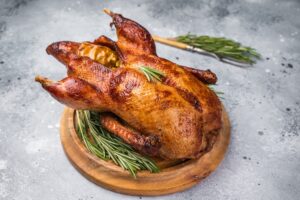
Spotting your spot for Smoked Turkey in St. Louis begins with knowing what you desire and where the city excels. St. Louis has smokehouses that range from rock-concert loud and high-energy to dining rooms that are essentially a second living room. Think about whether you desire a neighborhood gathering spot with neighbors swapping tales over plates or a destination smokehouse where the craft and wood selection do the talking.
Identify must-visit BBQ joints, smokehouses, and restaurants known for their smoked turkey offerings
Sharpshooters Pit, Sugarfire and Smokehouse Market are always safe bets for initial stops. Sharpshooters Pit is a classic pit-house model where turkey is sliced to order and paired with simple sides. Timing is key as those prime cuts fly.
Sugarfire mixes modern plating with deep smoke flavor and offers sandwiches and plated options that demonstrate technique and consistency. Smokehouse Market leans a little toward a neighborhood market atmosphere, with smoked turkey by the pound ready to go for the home table.
Other smaller joints and pop-ups crop up across south and central St. Louis. Keep an eye on local forums and weekday menus to score limited runs.
Describe the ambiance, from bustling weekend venues to cozy, family-friendly dining rooms
Atmospheres change according to location and moment. Others are brimming with harvested woods, benches, retro signage, and open fires adding coziness and a rustic flair. Those design decisions craft a St. Louis style BBQ atmosphere and attract various groups of students, families, and locals.
Weekends are noisier and more energetic. Weekday lunches are quieter and more conducive to concentrated tasting. Kid-friendly restaurants have bench seating and fast service. Busy locations near a theater district have bar seating and loud music.
Highlight locations like Sharpshooters Pit and Grill Market as St. Louis destinations
Each featured venue meets different requirements. Sharpshooters is technical and steady, excellent if you’re aiming for a traditional smoke profile. Sugarfire is imaginative and reliable, yum if you enjoy smoked turkey takes on specialty sauces.
Smokehouse Market appeals to those who value something quick and easy, but something delicious to take home. All three are community spots where locals mingle and have special events and holiday menus, so get ahead of them.
Suggest making reservations or planning visits during special events, holidays, or festivals for the best experience
Book ahead if you can, particularly near Thanksgiving or a local food fest. Specials sometimes include whole-bird specials and limited sides. Go during off hours to avoid the lines and to benchmark techniques around town.
Experiment with different locations for a few visits until you find the ambiance, taste, and convenience that fit.
The Pitmaster’s Touch
The pitmaster’s touch refers to the expert manner in which a cook manipulates meat and fire to bring St. Louis smoked turkey to its supreme state and that concept informs every decision in the city’s barbecue pits. Our local pitmasters, from long-time legends to rising stars, carve out a style that combines Midwestern heart with Southern technique.
They master low and slow temperature control, select turkeys based on texture and fat content, and time every cook so it’s tender but not dried out. Some pitmasters are famous for a fall-off-the-bone finish, others for a tight, sliceable breast infused with deep smoke flavor. Both outcomes stem from the same foundation of deliberate choice making.
Here in St. Louis, pitmasters talk about rubs, brines, and smoke as a system, not a magic bullet. A good, balanced rub brings salt, sweet, and savory notes and helps create a stable bark when paired with the perfect smoke. Brining adds moisture and seasons all the way through to the bone.
Heat management and probe placement tell the cook when to rest the bird to redistribute juices. These are technical things that need to be practiced. This touch is evident in how a pitmaster interprets the temperature curve, adjusts the vents, and moves coals or wood to nudge the smoker back into range.
Ingredient quality and local sourcing are at the heart of the work. Several St. Louis cooks source regional farms for more recent birds or heritage breeds for firmer meat and deeper fat. Wood choice matters: oak and hickory are common around the area for steady heat and a bold smoke note, while fruit woods can add subtler sweetness.
The pitmaster’s touch combines those decisions with art so the smoke enhances rather than overwhelms turkey meat. Tales of St. Louis kitchens trace the rise of this craft. Older pitmasters reminisce about neighborhood smokehouses and family birds made into block parties.
Younger chefs add regulated sous-vide, accurate digital probes and an eagerness to experiment with new rub blends. Both crews contribute to the local BBQ roots and food culture via pop-ups, classes, and weekend joints. Customers recall that one meal where a pitmaster’s patience and attention to detail transformed an ordinary turkey into something special.
Other times, differences in wood, weather, or meat quality cause a hit or miss outcome, reminding us that the touch is part art and part reproducible technique. The pitmaster’s touch is not a single motion. It’s a well-drilled selection, refined by experience, which transforms smoked turkey in St. Louis into a reliable feast.
More Than A Meal
Smoked Turkey in St. Louis is about more than a meal. It’s about a shared moment, a memory, a local craft. The smoke, spice, and slow heat hold local flavors, and the manner in which they consume it reveals various facets of urban lifestyles and culture.
Family gatherings, church picnics, and city festivals
Smoked Turkey in St. Louis shows up at Sunday dinner and family reunions as the main dish that turns conversation around the table. Elders share brine recipes and juniors experiment with alternative wood chips, forging constant bonds between generations.
At church picnics, whole birds or pulled meat feed large groups simply and affordably, and ease of transport makes smoked turkey a great option for outdoor events. City festivals feature vendors with carved plates and sandwiches, and crowds gather around smokers releasing an aroma of neighborhood pride.
From parish summer fairs to neighborhood block parties, one smoker will serve up dozens for hours on end.
Special occasions: Thanksgiving, Memorial Day, and July 4th
Smoked Turkey in St. Louis gets a local twist on national holidays. For Thanksgiving, most households opt for smoking to maintain a moist breast and crisp skin while freeing up oven space for sides.
Some are even combining brine methods borrowed from KC BBQ with local spices. On Memorial Day and July 4th, a smoked bird is easier to handle during cookouts and goes beautifully with cold salads and corn on the cob.
Food trucks and neighborhood caterers are selling pre-smoked turkeys for those who want the flavor without the effort. Some restaurants are offering smoked turkey by the pound for holiday pickup.
Dine-in, takeout, catering, and late-night bites
Restaurants in St. Louis offer smoked turkey as entire plates, sliders and salads, demonstrating the protein’s place on laid-back and refined menus. Takeout orders allow hectic young professionals to bring home a prepared meal.
Most places have family packs that fit city schedules. Catering companies offer smoked turkey for office functions and campus events, scaling sides and portions to match the crowd.
Late-night bars and music venues pair pulled smoked turkey with tacos and fries to satiate that post-show hunger, while food trucks stationed near those late shifts sell out of warm sandwiches until the early hours.
Tribute to St. Louis tradition, community, and culinary riches
Smoked Turkey in St. Louis links barbecue craft, Midwestern resourcefulness and local foodways. It sustains small smokehouses and seasonal markets and community cooks who instruct technique at pop-up classes.
The dish embodies the city’s blend of family dinner and communal festivities, serving as a link between fine dining and local comfort food.
Conclusion
Smoked turkey St. Louis combines rustic craftsmanship with rich taste. Local pitmasters use apple and hickory wood with low heat and slow time to seal in moisture and build a light smoke ring. Plates go great with some tangy slaw, peppery greens, or a slice of toasted sourdough from a local bakery. Random spot checks throughout the city indicate consistent attention to brine, rub, and temperature management. Sample a midweek lunch at a smokehouse on The Hill or a weekend pop-up in Soulard for fresh slices and laid-back vibes. Every bite demonstrates craftsmanship, not flash. If you want real flavor and a definitive method, choose a joint with consistent heat, pure wood smoke, and a line around the corner. Go sample, contrast, and choose your winner!
Frequently Asked Questions
What makes smoked turkey in St. Louis unique?
Smoked turkey St. Louis local pitmasters with their oak, hickory, or fruit woods and Memphis-influenced rub helped create that perfect blend of smoke, crisp skin, and juicy meat.
Where can I find the best smoked turkey in St. Louis?
Seek out the highly rated BBQ eateries in Soulard, The Hill, and Tower Grove. See local rankings, Google reviews, and request recommendations from St. Louis BBQ-centric food blogs for current selections.
How long should I smoke a whole turkey?
Smoke a whole turkey at 225 to 275 degrees Fahrenheit for around 30 to 40 minutes per pound. Use a meat thermometer and pull it at an internal temperature of 165 degrees Fahrenheit in the thickest part of the breast and 175 degrees Fahrenheit in the thigh.
Should I brine a turkey before smoking?
Yes. Brining for 8 to 24 hours enhances moisture and seasoning. Moist brines infuse moisture, while dry brines pump up the flavor and give you crunchier skin. Both are for St. Louis smoked turkey.
What wood should I use for smoking turkey in St. Louis?
Oak and hickory are local favorites for their constant, rich smoke. Fruit woods like apple or cherry contribute milder, sweet flavors. Mix woods for complexity without overwhelming the bird.
Can I order smoked turkey for events or holidays in St. Louis?
A lot of St. Louis BBQ joints and caterers take preorders for holidays and occasions. Call a week or so in advance, more for larger orders, and confirm pickup or delivery options.
How should I reheat smoked turkey without drying it out?
Warm in a covered pan at 275 degrees with a splash of broth or apple juice. Warm to 140 to 150 degrees. Or, slice and warm gently on the stove with a bit of stock. This locks in moisture and flavor.