- Key Takeaways
- The St. Louis Style
- Cultural Roots
- Beyond The Classics
- The Neighborhood Effect
- Pitmaster Perspectives
- A Local’s Guide
- Conclusion
- Frequently Asked Questions
- What makes St. Louis BBQ distinct from other regional styles?
- What cut is best to order for an authentic St. Louis experience?
- Are there vegetarian or non-meat options in St. Louis BBQ spots?
- When is the best time to visit top St. Louis BBQ joints?
- How do local pitmasters describe St. Louis flavor profiles?
- Can I find competition-style BBQ and backyard-style BBQ in St. Louis?
- How should I tip and pay at St. Louis BBQ restaurants?
Key Takeaways
- St. Louis BBQ combines Midwestern and Southern styles, emphasizing pork ribs and pork steak with sweet tomato-based sauces. It is slow smoked over fruit woods to produce a uniquely tender flavor. Readers can replicate this at home by cooking with low, indirect heat and fruit wood chips.
- The St. Louis rib cut is a trimmed spare rib that removes cartilage and gristle to create a flat, meaty rack that absorbs smoke and sauce. Readers should contrast it with baby back and Kansas City styles to explore the regional dimensions of BBQ.
- Pork steak is a local staple cut from the shoulder that grills or smokes quickly for backyard get-togethers. Adding classic sides like baked beans, slaw, and fries to the plate will have your readers enjoying a real St. Louis plate.
- St. Louis sauce is typically sweet and tangy, made up of ketchup, brown sugar, vinegar, and spices. Readers can leverage that profile to craft or select house sauces that complement ribs, brisket, and pulled pork.
- Go beyond ribs by tasting brisket, pulled pork, and smoked turkey at various city and county locations. Organize a barbecue crawl throughout neighborhoods to sample different types of smoke, menu specialties, and service styles.
- Discover pitmasters and local lessons, from wood priorities to rub equilibrium to slow-smoking technique. Then put those lessons into practice with hands-on labs or pitmaster-led courses to craft authentic St. Louis-style barbecue skills.
St. Louis best BBQ refers to the top barbecue restaurants and styles in St. Louis, known for saucy ribs, grilled pork steaks, and toasted local sides.
Local cooks combine slow smoking, direct grilling, and sweet tomato-based sauces to construct distinct, consistent flavors. Reviewers rate locations based on smoke duration, sauce equilibrium, and meat succulence.
The guide includes trusted places to eat, cooking characteristics, and advice to select just the right style for your palate.
The St. Louis Style
St. Louis barbecue marries Midwestern restraint and Southern smoke to create a profile all its own: pork, sweet sauces, and exacting cuts. The tradition remains deeply intertwined with KC roots, but it distinguishes itself through the St. Louis cut, a focus on pork steak and snoot, and an area affinity for super sweet, tomato-based sauces.
Here are some focused looks at what makes St. Louis Best BBQ its thing, with hands-on notes for tasting and trying recipes at home.
1. The Rib Cut
St. Louis Cut trims spare ribs into a neat rectangle, removing the sternum bone, cartilage and excess gristle, leaving a square or rectangular rack. That trim lends the ribs a meatier cross-section that absorbs smoke and sauce more evenly than an untrimmed spare.
Meatier and flatter than baby backs, and more show of the shared lineage than the Kansas City styles, it goes for a cleaner look and more consistent bite. Get order racks at iconic places like Pappy’s, Bogart’s and LC’s to taste real St. Louis cut ribs and observe how the trimming impacts texture and mouthfeel.
2. The Sweet Sauce
St. Louis sauce is very sweet, a little bit tangy, sticky, and tomatoey, frequently without liquid smoke. Standard home or house recipes use ketchup, brown sugar or molasses, and vinegar for tang, along with a mixture of spices to even out the sugar.
Some joints keep it thinner, while others glaze thicker for a sticky finish. Serve this sauce with ribs, brisket, or pulled pork. Have white bread slices at the table for soaking and rounding out the meal.
Create a simple table of local houses and their sauce traits: house-made dark and molasses-forward, tangy-vinegar light, or balanced ketchup-brown sugar blends.
3. The Grilling Method
The traditional way is slow smoking over fruit woods like apple and cherry, which impart a subtle, sweet smoke that pairs beautifully with the sauce. Indirect heat and low temperatures, often 110 to 135 degrees Celsius, enable collagen to break down and flavors to set without drying.
At home, experiment with both charcoal and wood-fired setups. Charcoal with chunks of fruit wood gives you control, while a dedicated wood smoker imparts more layered smoke. The aroma of smoke in a good smokehouse is immediate. It signals time, patience, and craft.
4. The Pork Steak
Pork steak, cut from the shoulder, is a local original: thin, flat slices that grill or smoke quickly and pick up sauce well. You hear it at BBQs and taverns, always accompanied by baked beans, slaw, and fries for a man-sized plate.
Texture is firmer than brisket but more tender than your run-of-the-mill chops. Flavor is richer and works perfectly with the sweet sauce and white bread method.
5. The Snoot
Snoot employs pig snout, scored, seasoned and grilled to a crisp. It’s making its way onto long-time neighborhood menus and in late-night bars. The bite is crisp on the outside with a gummy, fatty interior and smoky finish.
Adventurous eaters will rave about its snap and salt. Discover snoot at classic St. Louis joints and sample it as an appetizer with a sauce dip or lemon squirt.
Cultural Roots
St. Louis barbecue grew from the city’s industrial and cultural stew, forged by turn-of-the-20th-century meatpacking and transplants on the move. The meathouses and stockyards provided cheap and common pork and beef cuts. French, German, and Italian immigrants, along with migrants from the South, all brought techniques and tastes that converged in backyards, storefronts, and riverfront markets.
This section follows how those forces shaped St. Louis Best BBQ into a culinary and social tradition.
Meatpacking History
It was the meatpacking industry that put choice pork and beef on the city plate and in the local smokehouse. Huge packing plants along the Mississippi and rail lines shipped carcasses quickly, keeping cuts fresh and inexpensive, allowing cooks to get creative with ribs, brisket, and pork steaks. Rail and river links let St. Louis styles travel.
Pitmasters could send smoked goods or replicate methods elsewhere, which helped spread what people now call St. Louis Best BBQ. The St. Louis cut — a trimmed, rectangular rack with the brisket bones removed — originated from butchers aiming for a neat, marketable package. Its form and uniform cook time created its signature status.
A simple timeline helps: early 1900s packing boom, 1920s urban smokehouses, mid-century backyard boom, modern revival, and competition circuits. That timeline reflects cause and effect and why access to meat was more important than a recipe.
Backyard Traditions
Backyard barbecues and block parties turned St. Louis barbecue into a vibrant, communal tradition. Ribs are more than just food; they’re an excuse for friends and families to gather ‘round, especially in the summertime. Typical scenes include charcoal or gas pits, pork steaks on the grates, people passing bottles of homemade sauce, kids running, and a radio or live blues band at the edge of the yard.
These get-togethers bred amicable competitions over sauce, smoke time, and seasoning. That combination of competition and sharing encouraged recipe experimentation. Someone experiments with a new dry rub, a neighbor starts adding beer to the basting mop, and a new regional favorite is created.
Many host suggestions work anywhere: start with a St. Louis-style rib, offer German potato salad or Italian antipasto sides to honor immigrant ties, play blues music, and invite neighbors to bring sauces. The end point is relaxed, soul-satisfying food that connects to both family heritage and the city’s broader culinary culture.
Beyond The Classics
St. Louis Best BBQ is much more than spare ribs and pulled pork. A lot of local smokehouses go crazy with variety, featuring brisket, turkey, pulled pork, smoked shrimp, burnt ends, and even innovative hybrids like brisket egg rolls. What follows is a wide-ranging menu that encourages sampling and contrasting between textures, sauces, and smokiness before finding your go-to picks.
Brisket
Smoked beef brisket has exploded onto St. Louis menus in recent years, coming out with a crusty bark and tender core from hours and hours of low and slow smoking cycles. The perfect brisket is juicy and stringy, but falls apart at the fork, its crust infused with intense smoke, spice and delicate caramel.
Serve brisket alongside a zesty Carolina mustard or spicy Texas-style hot sauce to slice through richness and amplify smoky notes. Where to find outstanding brisket beyond the classics — Pappy’s Smokehouse and Salt + Smoke both strive for that deep smoke ring and balanced seasoning that embodies training and care.
Brisket egg rolls sometimes emerge as a side in certain kitchens, combining chopped brisket, cheese and occasionally Provel for that local spin that pays homage to the area’s food history.
Pulled Pork
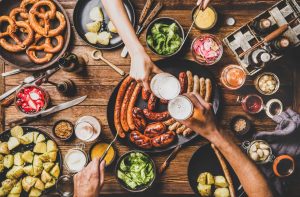
Pulled pork is still a common dish at both traditional and contemporary STL BBQ joints. The shoulder, braised by smoke and low heat until connective tissue breaks down, is then pulled and dressed on a bun or plated with sides.
A house sauce and crisp slaw enhance the sandwich, imparting acid and crunch that prevent bites from sinking. For an organized taste tour, try these pulled pork spots:
- Classic smokehouse, complete with vinegar-based sauce and tender meat nestled on pillowy buns with tangy slaw.
- Contemporary smoke bar with pulled pork and candied bacon and mac ’n’ cheese sweet-savory contrasts.
- Neighborhood spot with a Wednesday-exclusive pork loin and weekday specials highlighting slow-roast and regional sauces.
All demonstrate how pulled pork bends to menu format and side preferences such as cheese curds or smoked shrimp supplements.
Turkey
Smoked turkey offers a leaner alternative to bacon while still delivering intense smoke and juicy tenderness when brined and slow-smoked. Good prep extends to a brine to hold as much moisture in the meat, a rub of spices for external flavor, and mindfully conducted smoking so as to not dry the breast.
Complement turkey with creamy sides such as white cheddar cracker mac or steamed green beans to counter the lean meat. A few restaurants feature turkey as a menu star, showing that turkey can be king when you have talented pitmasters and provide it with inventive sides and a reggae-backed ambiance.
The Neighborhood Effect
Our neighborhoods influence the way St. Louis Best BBQ is created, consumed, and discussed. Local tastes, history, and resources drive cook styles and menus in different parts of the region. The neighborhood effect, or how your surroundings shape your behavior, attitudes, and opportunities, manifests in food culture as much as it does in health, education, and social life.
Neighborhoods with vibrant civic bonds and engaged citizenry create enclaves where cooks are supported to experiment with fresh rubs or advertise late-night dining. Resource-poor neighborhoods are less likely to have access to fresh ingredients and public spaces that can accommodate alfresco meals and farmers’ markets, and that can alter what’s on the plate.
City Limits
Urban outposts like Bogart’s Smokehouse and Pappy’s occupy bustling portions of St. Louis and attract mile-long queues. These spots scream an urban dining culture that prioritizes strong tastes, high volume, and portability of offerings. Busy lunch crowds drive restaurants to pre-sell ribs and burnt ends.
Dinner rushes create a vibe where waiting is part of the rite. Go during non-prime hours and enjoy a reduced wait in line and slower service. Must-try items at city-based St. Louis Best BBQ locations include torn brisket smoked to a bark, St. Louis-cut spare ribs dunked in a sweet-tangy glaze, and smoked pork steak with onion jam.
City neighborhoods tend to have more access to specialty suppliers and younger chefs exposed to bigger culinary scenes. That access, in turn, allows certain urban locales to try out world spices, craft beer pairings, and vegetarian smoked meats. The city scene encourages pop ups and partnerships that advance the local BBQ dialogue.
County Lines
Suburban and county smokehouses—Beast Craft BBQ, Hendricks BBQ come to mind—provide a different tempo. These places frequently strive for kid-friendly menus, spacious patios, and local weekly specials that keep the regulars coming back. Patio seating and casual service appeal to groups and family meals, which makes these great for slower weekend visits as well.
Check the weekly specials to score rare treats like smoked turkey breast or slow ‘n low collard greens. County venues are often a nice mix of tradition and comfort. They may not pursue the gleam of the metropolis, but they provide reliable servings and uncomplicated accompaniments.
The suburban spread shows how the neighborhood effect links to health and access: places with more space and community engagement can host weekend farmers’ tables and local produce, which affects menu freshness.
| Feature | City BBQ | County BBQ |
|---|---|---|
| Atmosphere | Energetic, quick turnover | Laid-back, family-friendly |
| Menu focus | Bold, experimental items | Classic plates, steady portions |
| Seating | Limited indoor, quick service | Larger indoor/outdoor areas |
| Best for | Late-night crowds, pop-ups | Weekend family meals, patios |
The neighborhood effect, like everything else in this post, is complicated and tied to SES, resources, and cohesion. Some claim it is overstated and others view it as the center of life chances.
Work your way through several neighborhoods when seeking out St. Louis Best BBQ and chart a tasting trail to sample styles.
Pitmaster Perspectives
To pitmasters in St. Louis, what distinguishes St. Louis Best BBQ is a combination of ingredient attention, technique and regional preferences that influence ultimate flavor. They emphasize meat quality first, routinely requesting high marbling so every bite remains juicy even after hours in the smoker. Others will hand-trim cuts, season and rest overnight and then hit the pit.
This sequence, trim, season, rest, smoke, is a near universal workflow among these top shops and it accounts for why texture and mouthfeel diverge from other barbecue cities. Cherry wood and other fruitwoods, for example, are common for a milder, sweet smoke that won’t overpower pork and spare ribs.
Pitmasters talk about smoke infusion as an active process: temperature curves, smoke density, and periodic pit openings all change how smoke bonds to fat and meat. They compare woods and blends, and some even rotate woods across a single cook to layer flavor. Accurate airflow control and an even firebed are technical focuses that distinguish ordinary from extraordinary.
Rubs and sauces are at the heart of St. Louis. Many pitmasters have dry rubs with 15 herbs and spices, some even purposefully leave out the salt so that the meat’s own saltiness and the sauce at the end balance the bite. We tend to make them in-house from recipes we’ve worked on for years.
Homemade sauces span the spectrum from thin, vinegary blends to thicker, tang-forward styles indicative of personal and regional flavor. Secret recipes are still the norm, with families coveting blends like generational heirlooms. Family restaurants offer both consistency and innovation.
A few shops have methods and recipes that go back two or three generations, and the kitchen doubles as a schoolroom. Younger pitmasters learn St. Louis-style rib trimming techniques, which require a special trim to produce even, flat racks that cook uniformly. Others play mad scientist, stealing cuts or techniques from other regions and making them their own with local taste preferences and Midwest-raised meats.
Pitmasters suggest hands-on education for dedicated devotees. Pitmaster-led events, pop-ups, and hands-on classes teach trimming, rub blending, fire management, and sauce finishing. The majority of cooks provide ‘Pitmaster’s Table’ tastings where visitors reserve exclusive seats and experience a carefully curated menu while chatting about technique and sourcing.
Sourcing is practical. Trusted vendors, often regional or Midwest suppliers, provide consistent animals and traceability that pitmasters rely on to hit high standards.
A Local’s Guide
St. Louis Best BBQ centers on clear signs of craft: visible smoke, open pits, staff who will talk about wood and time, and menus that list cuts and sides in detail. Seek out locations with open cooking in the dining room or where the locals refer to neighbor and social tags as validation. BBQ festivals and block parties are great places to meet locals who share daily specials and direct you to less touristy spots.
Begin with knowing what to order and why. Pork steaks and baby back ribs are town staples. Pork steaks taste best when smoked low and slow, around 225 degrees for two to three hours, until the fat renders and the meat pulls apart. Smoked brisket will display a dark bark and a thin smoke ring. If they have pork belly burnt ends as a special, get them. Old-timers usually know the date they drop by.
Signature sauces vary from tangy, sweet tomato-based glazes to thinner, sweet-vinegar styles. Try a spoon of each with various meats. Other special sides to be on the lookout for are gumbo, fried corn on the cob, and Sweet Vinegar Coleslaw, which all work in different ways to balance fat and smoke.
Ordering like a local means blending chew and crunch. Ask for a two-meat plate to test contrasts: a sauced cut (ribs) and a dry-rubbed cut (pork steak or brisket). Ask for sauce on the side if you want some control. When burnt ends are on hand, grab a small tray as a communal dish.
For rookies, sample the local mashups—brisket egg rolls or smoked pork tacos—because they demonstrate how chefs incorporate classic techniques to venture into new flavors without losing the fundamentals.
Organize your crawl geographically and by cooking time. Cluster stops within a 5 to 10 km radius to minimize driving and maximize sipping. Hit up an early bird joint for smoked breakfast or brisket sandwiches, then transition to a mid-day stop for ribs and sides, and finish at a late place that specializes in burnt ends or specials.
Map spots that feature daily-only items and time your visit to those days. Bring a pal and share plates. This allows you to try more without the waste.
Join the locals with festivals, staff chats, and community social pages. Long-time locals can direct you to subterranean diamonds, joints that do burnt ends on Thursdays or retail stores with indoor smoking lounges and an indoor shooting range.
Rely on a local’s advice for transparent cooking methods and recommendations. They slice through the hyperbole and take you straight to the real St. Louis Best BBQ.
Conclusion
St. Louis maintains a firm grip on BBQ art. The city combines thin ribs with bright sauce and open-fire smoke. Local joints prioritize quick service, expert cuts, and fearless flavors. Neighborhood joints swap family recipes and regular crowds. They’re pitmasters that test wood types, heat maps, and rub blends to discover the balance of each bite. Whether you prefer classic ribs, smoked pork steak, or a modern twist featuring vinegar or fruit notes, walk into a storefront and smell smoke, sugar, and spice. That shot says it all, better than verbose reviews. Go for a couple from the town guide. Flavor variations exist, inquire into wood and time, then choose the one that suits your hunger. Go chow down and see for yourself.
Frequently Asked Questions
What makes St. Louis BBQ distinct from other regional styles?
St. Louis BBQ uses thin, quick-cooked pork cuts, particularly spare ribs trimmed into “St. Louis style” ribs. It prefers a sweet, tomato-based sauce and frequently features grilling and finishing in a sauced, sticky glaze.
What cut is best to order for an authentic St. Louis experience?
Grab St. Louis–style spare ribs or pork steak. These cuts highlight the city’s approach: trimmed ribs and flavorful, sauced pork cooked for tenderness and a caramelized finish.
Are there vegetarian or non-meat options in St. Louis BBQ spots?
Yes. Lots of St. Louis BBQ places have smoked veggies, grilled corn, BBQ jackfruit, salads, and smoked tofu or tempeh. They are seasonal and not always available, so see menus or call ahead.
When is the best time to visit top St. Louis BBQ joints?
Go early for sought-after weekend locations or right before lunch or dinner time. Weeknight dinners are less busy. Festivals and competitions require you to look up schedules and arrive early for the best selections.
How do local pitmasters describe St. Louis flavor profiles?
Pitmasters emphasize sweet, tangy, and smoky nuances. They temper tomato-based sauces, caramelized rubs, and modest smoke to produce a robust yet eminently accessible taste.
Can I find competition-style BBQ and backyard-style BBQ in St. Louis?
Yes. Whether it’s competition teams with exacting smoking methods or neighborhood joints with homestyle, saucy BBQ, St. Louis has both. Each offers a distinct yet genuine flavor.
How should I tip and pay at St. Louis BBQ restaurants?
Several locations take card and cash. A tip of 15 to 20 percent is expected for sit-down and 10 to 15 percent for counter service. For take-out, a little tip of 5 to 10 percent is welcome but not necessary.