-
- Key Takeaways
- The Rib Standard
- St. Louis’s Finest
- Beyond The Rack
- The Pitmaster’s Craft
- A Local’s Take
- Community And Smoke
- Conclusion
- Frequently Asked Questions
- What makes St. Louis-style ribs unique?
- Where can I find the best BBQ ribs in St. Louis?
- Are St. Louis BBQ ribs usually smoked or grilled?
- What sides are popular with BBQ ribs in St. Louis?
- Is St. Louis barbecue sauce different from other regions?
- Are there good options for takeout BBQ ribs in St. Louis?
- Can I find halal or gluten-free BBQ ribs in St. Louis?
Key Takeaways
- Top-notch meats, old-fashioned smoking techniques, and an emphasis on local ingredients have always defined St. Louis BBQ ribs of distinction. This means you get perfectly seasoned, fall-off-the-bone good times in every bite.
- Rib cut selection, particularly baby back versus spare ribs, and trimming has a direct impact on texture and flavor and the cooking results preferred by local pitmasters.
- The use of smoking techniques and local hardwoods such as hickory and oak help create the signature St. Louis ribs‘ smoky profile.
- Iconic St. Louis BBQ sauces find a harmonious mix of sweet, tangy, and smoky notes. You’ve got to apply sauce at just the right point of the cook to really amplify the meat, not drown it out.
- Consistency of temperature, timing and fire control, coupled with experience and attention to detail, is the hallmark of our best local pitmasters and results in better ribs.
- St. Louis’ thriving BBQ scene is fueled by a combination of timeless institutions and fresh faces, all inspired by the area’s deep sense of community and passion for mouthwatering barbecue.
The best BBQ ribs in St. Louis come from a blend of veteran local favorites and newcomers who emphasize bold taste and slow-smoking. St. Louis ribs are meaty and bold, based on the city’s own style.
The local joints use hickory or oak, which add that deep, smoky flavor. Here’s a guide to some tried and true places in St. Louis to sample authentic BBQ ribs.
The Rib Standard
There’s only one ‘standard’ for BBQ ribs here in St. Louis. Its local standard – St. Louis-style ribs – molds the BBQ scene around the city. This cut is a flat rectangle, trimmed off with the sternum, rib tips, and skirt removed.
That’s why The Rib Standard is the choice among backyard cooks and competition pros alike for even cooking, clean slicing, and neat plating. It’s all about the quality, method, and tradition that makes ribs here special.
Key qualities of standout St. Louis BBQ ribs:
- Well-marbled pork ribs typically weigh 2.75 pounds or more.
- Balanced flavor from smoke, rub, and sauce.
- Traditional cooking methods, like the 3-2-1 technique.
- Local wood and ingredients for authentic taste.
- Proper trimming and membrane choices for texture and structure.
- Judged by bend and toothpick tests for perfect doneness.
The Cut
St. Louis BBQ uses mainly two pork rib cuts: baby back and St. Louis-style spare ribs. Baby backs are leaner and curved with a slightly faster cook time, treasured for their tenderness.
St. Louis ribs are flatter, meatier and trimmed for even thickness. This particular cut, around 2.75 to 3.5 pounds, provides a consistent cook and presents elegantly at the table.
The cut you choose alters taste and consistency. Spare ribs provide more chew and assertive pork flavor. Baby backs have a softer bite. Trimming is the secret; it strips away excess fat, bone, and cartilage, which allows the meat to cook without burning or drying.
The Smoke
Smoking ribs in St. Louis is dependent on hickory, oak, or apple wood. Hickory is the most common wood and adds a potent, old school BBQ aroma and flavor.
Most pitmasters blend woods so that sweet and smoky notes are balanced. The three-two-one method is popular: three hours smoked unwrapped, two hours wrapped, and then one hour unwrapped to finish.
The best temperatures are between 225 and 250 degrees Fahrenheit. Stable smoke is essential. Too much smoke will make the meat bitter, while too little leaves a weak flavor. Pitmasters control the airflow and wood for consistent burn and rich flavor.
The Sauce
Sauce selections in St. Louis lean toward KC-style, thick, sweet, tangy and a little smoky. These sauces combine tomato, brown sugar, vinegar and spices.
They pair with pork and hold their own against long cooks. The best local sauces find the perfect balance between sweet, tart and smoky, never masking the meat’s flavor.
Sauce only gets applied during the last 20 to 30 minutes of cooking. Saucing too early can burn or desiccate the ribs. Late application allows the glaze to set, imparting flavor and a sticky finish without masking the smoke.
The Pull
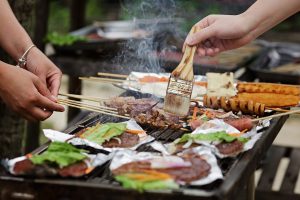
The Best BBQ Ribs in St. Louis (Updated January 2026) The pull” is how the meat falls away from the bone. Good ribs never fall off the bone; they have a slight tug.
The bend test tests this—pick up the slab with tongs and if it bends and slightly cracks, it’s ready. The toothpick test works, it should slide in with little effort.
Ribs are supposed to be moist, not mushy or dry. Watch for a subtle pink smoke ring and glistening glaze on the exterior. Ribs’ internal temperature should hit 195 to 203 for peak tenderness.
St. Louis’s Finest
St. Louis’s Finest—Barbecue Capital: A Tradition and Food Scene in Transition. The town is home to tons of BBQ joints, some with dozens of locations throughout the Midwest. From old-school smokehouses and local legends to creative upstarts and eccentric hotspots, they all add to a thriving culinary scene.
The following table displays top BBQ rib spots, their standout offerings, and notable aspects of the dining experience:
Restaurant
Specialty Ribs
Unique Menu Items
Atmosphere & Experience
Bogart’s Smokehouse
Apricot-glazed ribs
Brussels sprouts w/ pork belly
Cozy, local favorite, lines out the door
Salt + Smoke
Dry-rubbed baby backs
Brisket tacos, Provel cheese, jalapeños
Modern, lively, craft beer selection
BEAST Butcher & Block
Smoked spare ribs
One-pound loaded baked potato
Communal tables, urban setting
Sharpshooter BBQ
House ribs
BBQ in indoor shooting range setting
Unique, energetic, activity-focused
1. The Classic Champion
Pappy’s Smokehouse has cemented its position as a pillar of St. Louis BBQ. Famous for their St. Louis ribs, Pappy’s slow-smokes their ribs over apple and cherry wood, serving meat that falls off the bone, with a sweet, smoky char.
The 32-ounce natural jus-glazed pork steak brings in the crowds for its sheer size as well as its taste. Candied bacon, a fan favorite, completes the menu. Customer reviews rave about the line out the door and love the ribs, which are worth the wait every time.
With thirteen metro locations and a history that helped define local BBQ, Pappy’s still sets the standard, mixing legacy with consistency.
2. The Neighborhood Legend
Bogart’s Smokehouse, located in Soulard, silently boasts a cult following with locals. Their apricot-glazed ribs, with a sticky, tangy finish, are a must-try for any BBQ lover.
Their pork-belly Brussels sprouts add a savory twist. Their burnt ends and rib tips have regulars coming back for more. The staff welcomes you by name and the subdued, brick-lined room feels like a natural outgrowth of your own home.
Families, laborers, and tourists all intermix amongst each other at communal tables, giving it a village atmosphere that not many spots can replicate.
3. The Modern Innovator
Salt and Smoke, where old school BBQ met new school flavor. Their dry-rubbed baby back ribs, washed down with craft beer, put a new twist.
Highlights from the menu include brisket tacos with caramelized onion, Provel cheese, and jalapeños, exemplifying the innovative style that attracts tasting risk-takers. Local sourcing is key here.
Everything is fresh, from their house pickles to their sauces. The restaurant’s open, lively layout encourages conversation and bridges the gap between old-school and new-wave BBQ.
4. The South County Secret
BEAST Butcher & Block doesn’t chase the limelight but earns admirers with smoked spare ribs and a menu that shocks. The baked potato, generously piled with butter, cheese, and the choice of brisket or pulled pork, is a crowd-pleaser.
Long communal tables and an urban vibe make your group dining effortless. Comments highlight the personal attention of the staff and the laid-back, come-as-you-are vibe, making it a preferred hangout for informal occasions.
5. The Sharpshooter’s Surprise
Sharpshooter BBQ has the very rare distinction of being a BBQ joint in an indoor shooting range. Diners can tuck into house ribs, smoked turkey, and classic sides while watching guests test their aim.
It satisfies BBQ purists and those looking for something new, with rib tips, snouts, tripe, and turkey ribs lining the trays. The vibe is buzzing, attracting both families and groups for a meal that’s unforgettable on more than one level.
Beyond The Rack
St. Louis barbecue ribs are more than just a meal; they’re a crafty combination of culinary heritage and regional taste. The name “beyond the rack” pays homage to the tradition of cutting ribs after the 13th bone, a technique customized by local butchers post-WWII. This gives the ribs a certain appearance and impacts the way they eat, making every plate both functional and traditionally St. Louis based.
For some people, sinking their teeth into ribs made from pork or beef raised just down the road really creates an experience of belonging. It’s the oh-so-savory flavor of Missouri-raised meat, mixed with time-tested traditions, that makes St. Louis ribs the best in the nation.
Checklist: What Elevates St. Louis BBQ Ribs
- Local pork or beef from Missouri farms offers a heartier flavor and a community connection.
- Regular “beyond the rack” trimmed to provide a neater display and easier portion.
- Smoking with regional hardwoods for distinct, layered flavors.
- Unique rubs, with carefully blended spices and herbs.
- House-made sauces, balanced to enhance rather than overpower.
- Dedication to real cooking traditions forged over decades locally.
Local Woods
Hickory is the preferred wood of St. Louis pitmasters, revered for its potent, smoky punch that accents pork ribs without overpowering them. Oak is a close second, providing a gentler, sustainable burn and a subtle flavor enhancement.
Fruit woods such as apple and cherry, although less traditional, are occasionally blended in for a touch of sweetness and milder smoke. With each wood adding its own signature to the ribs, hickory imparts a strong, traditional smoke ring and intense flavor.
Oak adds a smooth, mellow note. Apple or cherry adds sweet, nuanced layers, favorites in newer, fusion-style BBQ places. Selecting the appropriate wood is more than culinary preference; it marries the dish to the area’s forestry and culture.
To support local, many St. Louis restaurants take pride in sourcing their wood from local providers. We use Missouri hardwoods to support local business and keep the flavor profile authentic. For diners, there is something about knowing that the wood is local that makes the experience of the meal and the city even stronger.
Secret Rubs
Best St. Louis ribs begin with a house rub. Pitmasters mix paprika, brown sugar, garlic powder, onion powder, salt, black pepper, and occasionally a bit of cayenne to add some bite. These rubs are often protected secrets, handed down or fine-tuned over generations.
Evenly applying the rub is critical! Like some chefs do when they let ribs marinate overnight, this pulls out moisture and allows flavors to permeate. A great rub becomes a bark, a crispy, seasoned crust that traps in moisture.
It’s not just what you say, when you say it. Ribs, actual St. Louis rub, taste sweet, savory, mild heat, not overpowering the meat. When rub and smoke combine, the result is a multi-dimensional, unforgettable bite.
Sauce Philosophy
Sauce in St. Louis is not an afterthought — it’s a key ingredient. The city’s signature BBQ sauce is tangy, sweet, and thinner than some southern versions. Tomato and vinegar serve as the base, with sugar, mustard, and spices completing the flavor.
It’s designed to glaze, not submerge, the meat. The tastiest sauces are balanced. Sugar balances acid, and a little spicy heat adds excitement. Local chefs frequently customize traditional recipes, mirroring family customs or modern fads.
Regionalism is alive and well. A lot of recipes stick close to the city’s roots, but some lean on broader Midwestern or even KC-style. Regardless of the concoction, it’s the sauce’s job to accentuate the rib’s smoky savoriness, not to mask it.
The Pitmaster’s Craft
Barbecue in St. Louis isn’t just food; it’s mastery, time, and a common past. The city’s best ribs are about the right choices, steady hands, and years of practice. Pitmasters here slow-cook and smoke meat using time-honed methods, carefully balancing heat, smoke, and flavor to transform simple cuts into something special.
Their pitmaster heritage is paired with an entrepreneurial spirit that embraces experimentation and fine-tuning, mixing classic old-school secrets with innovative new thinking.
Sourcing Meat
Selecting your cut is a pitmaster’s first step. St. Louis–style ribs, which are spare ribs cut down into their iconic shape, are a local favorite due to their flavor and meatiness. Pitmasters trust their butchers and suppliers, like Kenrick’s Meats or farmers’ markets near them, where the meat is fresher and raised with love.
Using local sources supports the community and infuses ribs with a richer taste and better texture. Quality difference comes through in every bite. Fresh, well-marbled ribs cook up tender and juicy, soaking up smoke and seasoning.
When pitmasters begin with high-quality pork, they position themselves for success. The ultimate taste, tenderness, and even the way the ribs stick together rely on how good that meat is to begin with.
Managing Fire
One of the most important things to know for St. Louis pitmasters is fire control. They burn hardwoods like oak, hickory, or apple to achieve a slow, even burn that imparts the perfect amount of smoke. Achieving a stable temperature, usually between 225°F and 250°F, requires experience and diligence.
If it is too hot, the ribs dry out. If it is too cool, they never get tender. Fire management isn’t just wood. It’s about when to add fuel, adjusting vents, and monitoring heat and smoke.
Even minor adjustments can alter the meat’s flavor or consistency. Nailing this slice ensures that each rib, from edge to bone, cooks evenly and absorbs the smoke flavors St. Louis barbecue is famous for.
Ensuring Consistency
Consistency is the difference between average pitmasters and the greats. It’s not serendipity; it’s ritual and quality. Elite pitmasters employ meat thermometers, timers, and logs to document each cook. They adhere to time-tested rubs and sauces but don’t hesitate to tinker with every batch, refining their concoctions as they go.
Experience counts. The best pitmasters have refined their timing working scores, possibly even thousands, of racks. They understand how long each phase should last.
People return to Pappy’s or Bogart’s because they know what they are going to get every time—succulent, seasoned ribs, just like they loved. For restaurants, this consistency cultivates a faithful following and maintains their cachet.
A Local’s Take
What makes St. Louis barbecue special is its combination of tradition, local pride and a dedication to low and slow meats. For a lot of people here, the hunt for the best ribs is just as much about the joint’s legend and atmosphere as it is about the plate. These are the places locals rely on, each with their own flair and signature twist.
- Take a sample of Bogart’s Smokehouse, famous for their fall-off-the-bone ribs with a house-made apricot glaze. Pork steak is touted by regulars as well, slow smoked and sold while supplies last.
- Pappy’s Smokehouse packs ’em in with Memphis-style dry-rubbed ribs. The queues tend to be lengthy. Locals suggest online preordering to not miss out.
- Sugarfire Smoke House began with a pitmaster who introduced jerk chicken to his plant coworkers. He turned that instinct into a favorite rib joint, with daily specials locals still scan for.
- Salt and Smoke shines for its burnt ends and brisket taco. A local’s take. The menu changes with new sides and sauces, and the turkey leg is the sleeper hit.
- Beast Craft BBQ Co. does ribs with a peppery bark and rotating specialty sides. Their brisket and candied bacon are local favorites, and the mustard-based sauce is a must taste.
Vibe Check
Nearly all of the St. Louis BBQ joints exude a laid-back, inviting vibe. Long communal tables, brick walls, and Cardinals game memorabilia make you feel at home. At Pappy’s, hickory smoke mingles with the din of trays and group guffaws.
Bogart’s has a compact, busy space with pitmasters working in front of diners. Service is generally warm and efficient, with workers happy to dish out advice or trade pit tales. Live blues and country music play at numerous locations, providing the cuisine with a beat that parallels the city’s tempo.
This combination of personal service, a sense of community, and music makes people return.
Side Dishes
- Mac and cheese (sometimes topped with pulled pork)
- Cole slaw
- Candied bacon
- Baked beans
- Hand-cut fries
- Rotating daily specials such as smoked corn or jalapeño cheddar grits.
Mac and cheese and slaw are pretty much a given, but it’s the daily sides that locals rave about. Locals recommend getting a few to split, particularly when specials pop up.
What’s a good rib meal in St. Louis without two or three sides? The rotating menu really keeps it fresh.
Community And Smoke
Barbecue in St. Louis is not just food; it’s the thread that binds us together. Our enduring connection to our favorite rib joints is about more than just flavor. It’s about decades of communal tables, huge family occasions, and the casual conversation that takes place when folks share a plate of ribs. Barbecue was embedded in this city’s way of life, from the massive festivals to the tiny local joints where people congregated after work.
BBQ is the centerpiece for many St. Louis occasions. Rib fests and barbecue cook-offs give people a place to get together, swap stories, and brag about secret sauce recipes. They frequently raise funds for local causes or unite people for fun cook-offs. You see entire blocks shut down for a summer BBQ bash with local bands playing and kids running everywhere.
Some joints even pair barbecue with other buffets, like shooting ranges, making a simple lunch a whole day affair. These get-togethers are not just about food; they help define the town’s culture and offer new arrivals a way to belong.
Barbecue in St. Louis is a community experience. Tables get taken up quickly by families, friends, and even strangers, sharing sides and debating which joint does ribs best. The communal eating tradition, where you all dig in and pass plates, knits people together. Others are like a second home, pitmasters who know your name and favorite cut.
These are places that cling to tradition. Most pitmasters got their start from the previous generation, using the same rubs and methods of slow smoke, year after year. This active involvement cultivates trust and keeps people returning, confident they will receive the genuine article consistently.
Small town barbecue isn’t just about good eats. It defines the fabric of their communities. Others are only a few years old, serving as gathering places where people do the after work unwind or mark milestones. It’s not just the ribs, but the tales swapped over tacky tables.
A lot of these joints get their meats and fixings from local farms and butchers, which helps keep the cash local and builds community. Even the city’s butchers have stamped their influence on the scene, defining how ribs are trimmed and smoked.
Conclusion
St. Louis ribs bring it on! It’s the pitmasters here who throw skill, time and wood into every rack. You taste deep bark and sweet smoke at joints like Pappy’s, Bogart’s or even some low-key corner spots. People wait in line for hours as the flavor lingers. St. Louis’ rib game is built on old-school pride and a passion for big, bold flavor. Ribs in St. Louis consist of tender meat, tangy sauce, and lots of napkins. Local legends and smoke-filled rooms influence what lands on your plate. Want to chow down? Just get out there and taste a few for yourself. Have your palate choose the champion. Your best slab could possibly be the next one you taste.
Frequently Asked Questions
What makes St. Louis-style ribs unique?
St. Louis ribs are cut to expose the brisket bone, trimming the ribs into a rectangular shape for even cooking. They’re famous for their tasty dry rubs and sweet, tangy barbecue sauces.
Where can I find the best BBQ ribs in St. Louis?
Among the best are Pappy’s Smokehouse, Bogart’s Smokehouse and Salt + Smoke. These hometown heroes serve up tender ribs, bold flavors and authentic St. Louis BBQ style.
Are St. Louis BBQ ribs usually smoked or grilled?
Almost always slow-smoked over wood, usually hickory or apple, St. Louis BBQ ribs take on a signature smoky flavor and tender texture.
What sides are popular with BBQ ribs in St. Louis?
Classic sides are baked beans, cole slaw, potato salad, and white bread. Most places offer fried corn and pickles as classic sides.
Is St. Louis barbecue sauce different from other regions?
Indeed, St. Louis barbecue sauce is tomato-based, sweet and tangy with a touch of vinegar. It is thicker and less spicy than Kansas City or Texas sauces.
Are there good options for takeout BBQ ribs in St. Louis?
Definitely. Several of St. Louis’s best barbecue staples, including Pappy’s Smokehouse and Sugarfire Smoke House, deliver delicious ribs to go and offer curbside pickup.
Can I find halal or gluten-free BBQ ribs in St. Louis?
Some places such as Sugarfire Smoke House are gluten free. Always ring ahead for halal or diet options because it’s a crap shoot.