
- Key Takeaways
- The St. Louis Style
- A City’s BBQ Roots
- Beyond The Recipe
- Evolving Traditions
- The Perfect Plate
- The Neighborhood Effect
- Conclusion
- Frequently Asked Questions
- What makes St. Louis-style BBQ unique?
- How did BBQ become popular in St. Louis?
- What types of meat are common in St. Louis BBQ?
- Are there vegetarian options in St. Louis BBQ restaurants?
- What side dishes are often served with St. Louis BBQ?
- How has St. Louis BBQ changed over time?
- Does the neighborhood affect the style of BBQ in St. Louis?
Key Takeaways
- St. Louis barbecue is notable for its emphasis on pork steaks and spare ribs, a unique rib cut, and a sugary, tangy tomato-based sauce that distinguishes it from other regional barbecue varieties.
- Old school smoking is low and slow, with attentive temperature regulation and a selection of different woods like cherry or oak to impart a distinct smoky taste.
- St. Louis BBQ isn’t just ribs and brisket anymore. Turkey ribs, pork butt and smoked sausage round out the menu, highlighting the tradition and innovation of the local scene.
- Today, the city’s BBQ heritage is rooted in culture, immigration, and local tastes. No single restaurant defines it, as many establishments have added to its history and traditions.
- A perfect St. Louis BBQ plate balances tender meats, flavorful glazes, and essential sides such as baked beans and coleslaw. It is often paired with local craft beers for a complete dining experience.
- Neighborhood BBQ joints provide the sense of community and the opportunity to find a hidden gem, while informing your own recipes and experimenting with glaze and wood choices on your own.
St. Louis best BBQ stands for tomato-based sweet sauces, specially cut pork ribs, and smoked on wood pits. Local BBQ is notable for its thick glaze and tender texture, with many joints serving rib tips, snoots, and pulled pork.
The St. Louis Style
St. Louis Best BBQ is different, bold, authentic, and has a distinct blend of flavors. The city’s barbecue melds old and new, fueled by hometown dedication and a mix of ethnic influences. Below are the core features that set St. Louis-style BBQ apart:
- Pork steaks and spare ribs are the backbone. You can’t come without trying them!
- St. Louis BBQ utilizes a thick, sweet tomato-based sauce that adds a rich, tangy flavor.
- Rib tips and burnt ends are essential. They are frequently offered as sides or appetizers and are cherished for their crispiness and smoky richness.
- Don’t be surprised to see comfort foods like fried pickles and baked potatoes on local menus.
- Unlike Kansas City or Memphis, St. Louis BBQ is known for its sweeter, heavier sauce and focus on pork cuts.
- The city’s BBQ speaks of German, Italian, and African American influences in the food and how it’s consumed.
1. The Cut
St. Louis Best BBQ, it’s all about the meat. The star is the St. Louis-style rib, sliced out of the spare rib with the breastbone and cartilage trimmed away. This technique results in a consistent, rectangular shaped rack that both cooks uniformly and presents nicely.
Pork steaks—sliced pork shoulder—are another local favorite, revered for their succulent chew and aggressive flavor. Yes, there is brisket too, just less than what you’d get in Texas-style BBQ.
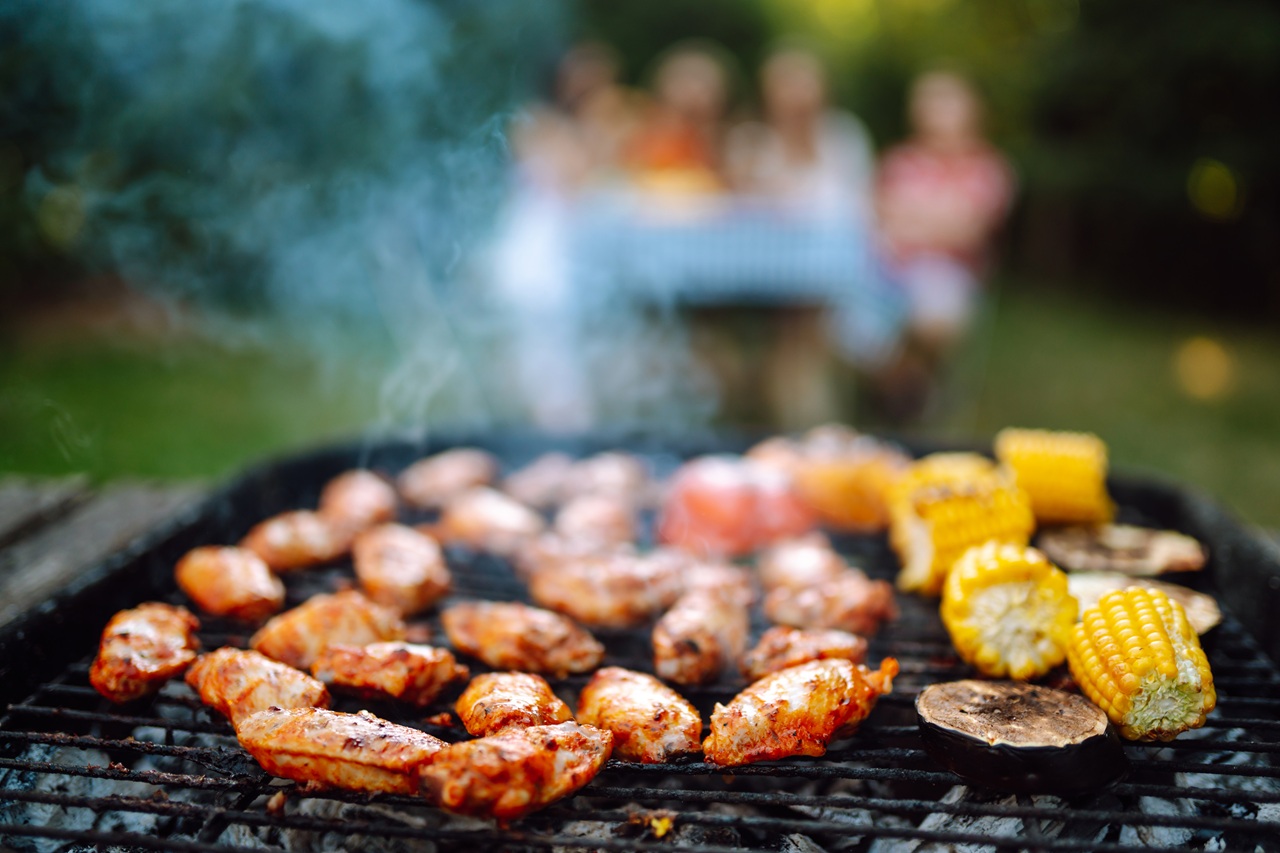
Prepping begins by trimming fat and seasoning with dry rubs of salt, pepper, paprika, and other spices. Some chefs like to marinate their meat for hours or overnight. It aids the flavors to soak in and contributes to depth and tenderness.
Before smoking, most pitmasters bring the meat to room temperature so it cooks evenly. Visiting local smokehouses allows visitors the opportunity to sample rib tips, burnt ends, and other cuts that you don’t see too much of outside the area.
2. The Sauce
St. Louis-style sauce is tomato-based, thick and sweet, typically with a healthy dose of brown sugar, vinegar and spice. This sauce brushed on close to the finishing point forms a glossy, delicious glaze.
That’s what makes St. Louis BBQ different from the thinner, spicier Memphis sauces or the tangy, molasses-heavy Kansas City blends. Local joints may provide vinegar or mustard options, but it’s that sweet tomato style that reigns supreme.
With homemade sauces, fans can tweak the sweetness, spice, or acidity. Many locals will experiment, adding a splash of hot sauce or a hint of smoke to each batch to set it apart.
3. The Method
To smoke it low and slow over hardwood is at the heart of St. Louis Best BBQ. Most pitmasters use oak or hickory, which imparts the meat a consistent, mild smoky taste.
Temperatures linger in the 95-120°C range, with cooks frequently lasting hours. This allows fat to render and meat to literally fall apart for a tender, luscious chew. Steady heat is the secret.
If it flares up, you dry out the meat or burn the sauce. At home, even a rudimentary smoker or grill can produce legitimate outcomes with time and experimentation.
4. The “Other” Meats
It’s not just ribs and brisket. St. Louis BBQ offers up turkey ribs, pork butt, and smoked sausage. These provide a variety of textures and flavors.
Turkey ribs are meaty and tender, and smoked sausage adds spice and snap. They stretch beyond the standard BBQ fare. Some restaurants now have pastrami, ham, or even lamb.
Rib tips, slow-smoked and doused in sauce, are a local delicacy and a tourist triumph for visitors. Checking out these selections at local BBQ joints broadens the St. Louis Best BBQ experience.
A City’s BBQ Roots
St. Louis Best BBQ did not open with grand visions or flashy shop windows. Our roots trace back to tiny kitchens and street corners where cooks whipped up easy smoked meats and passed them around to friends and neighbors. Over generations, St. Louis BBQ absorbed scraps of culture from every skin that made this their home. This melting pot of German, Irish, African-American, Italian, and so many more introduced new spices, meats, and methods of cooking.
From a city with deep BBQ roots, this city’s BBQ mixes these flavors, making every plate a tale of transformation and expansion. Like most BBQ joints in St. Louis, it maintains a casual vibe, with typically no tablecloths or froufrou menus. A lot of them resemble shacks or lunch counters, with people queueing out the door. Some even sell out before the day is done, which speaks to how adored these spots are.
St. Louis BBQ is different from, say, Memphis-style BBQ, by employing a variety of sauces that are typically sweet, thick, and tomato-based. The city is always in transition. You’ll discover chefs experimenting with jerk chicken, brisket egg rolls, or candied bacon, fusing the ancient with the futuristic. These fusion foods stem from the city’s shifting demographics and adventurous chefs.
At some BBQ joints, the menu pays homage to both tradition and innovation, not just ribs and pulled pork, but fried fire-and-ice pickles, mac ‘n’ cheese, and other sides. A lot of the best BBQ spots get their meat and veggies from nearby farms, giving that homemade flair that connects every plate to the soil and community surrounding it.
St. Louis Best BBQ’s history wouldn’t be complete without its key players and iconic joints. Early pitmasters often got their start with little more than a small smoker and a family recipe.
These are the names that not only serve up great food but defined the spirit of the BBQ city with their respective techniques and tastes. A few owners even throw some live music into the mix for a Memphis-style blending of food and song on Friday nights. That music, combined with the aroma of smoked meat, characterizes the city’s BBQ roots.
Who are the best BBQ joints in St. Louis? They’re not just cooking up ribs and sauce; they’re serving up a slice of St. Louis life.
Beyond The Recipe
St. Louis Best BBQ isn’t just about reading a cookbook or following tradition. At the center of incredible barbecue are the artisans behind it, who approach every plate as an opportunity to mix craftsmanship, passion, and a spirit of experimentation.
Be it a chef in a local joint or the guy at home who’s barbecuing, the real artisan comes from passion, care, and experimentation. Lots of local joints go beyond the recipe too, serving up creative sides like fried corn on the cob or callaloo and daily specials that keep even the regulars on their toes.
With a fresh and energetic atmosphere, from sports-themed art to inviting décor, these restaurants become go-to destinations for meals and larger scale celebrations—hello birthday parties or summer holidays, complete with pre-ordered feasts.
The menu is anything but boring, with creative spins like garlic butter shrimp or tart rib tips and even desserts like coconut cream pie. It’s this creative, open spirit that keeps people coming back, creating loyal followings and making every visit memorable.
Wood Selection
Selecting the wood is one of the largest milestones in building St. Louis Best BBQ. Woods such as cherry, oak, and hickory contribute their own signature to smoked meats. Cherry imparts a gentle sweetness, oak provides a consistent earthiness, and hickory infuses a robust smoke.
Each meat pairs best with certain woods. For instance, pork ribs adore apple or cherry, while beef brisket gets along with oak or mesquite. This decision impacts not only the flavor but the hue of the meat’s crust.
Local pitmasters usually have longstanding relationships with area wood suppliers so their smoke stays thick and pure. Some even select wood by hand for each batch. Readers can find wood at garden centers, farm markets, or specialty barbecue shops.
Experimenting with new woods at home is an easy way to discover new favorites. Mixing cherry and oak or swapping hickory for pecan can create new flavor profiles with every cook.
Temperature Control
Great BBQ is built on stable, attentive heat. Temperature variation can dry out meat or keep it undercooked. Perhaps it is the fact that most cooks these days use digital thermostats, vent dampers and insulated smokers which hold heat between 95 degrees Celsius and 120 degrees Celsius, the sweet spot for slow smoking.
A simple meat thermometer is essential for verifying cooking. We’ve found that keeping to core temperatures, for example, 93C for brisket, helps. Low and slow cooking takes time and patience, but the results speak for themselves.
The Glaze
Glazing is more than sauce brushing. It’s a technique that adds gloss, seasoning and a thin, delicious crust to the meat. Some chefs begin with a dry rub, then apply a light glaze halfway through and finish with a heavy coating towards the end for a rich, sticky finish.
Balance matters; a glaze should enhance the meat’s flavor, not cover it up. Mixing it up with different glazes, from spicy to sweet, infuses every BBQ batch with a new personality.
Homebrewed blends with honey, vinegar, or local fruit preserves keep backyard BBQ exceptional.
Evolving Traditions
St. Louis Best BBQ is distinguished by its traditions and innovation. This tradition has evolved from a meat-centric, open-fire affair to an eclectic combination of flavors and techniques, influenced by indigenous and international culinary movements. The tale of barbecue in St. Louis demonstrates how a timeless style of cuisine can transition and remain vibrant, even as it retains its essence.
At the center of these transitions, the smoke, nurtured by expert pitmasters, binds every plate with an old-fashioned flavor.
|
Classic BBQ Traditions |
Modern Culinary Trends |
|---|---|
|
Wood-fired pits, slow smoking |
Electric smokers, sous-vide prep |
|
Simple spice rubs, salt and pepper |
Global spices, fusion flavors |
|
Pork ribs with tomato-based sauce |
New cuts, plant-based alternatives |
|
Family recipes, passed down |
Chef-driven menus, collaborations |
|
Focus on smoke and texture |
Emphasis on plating and variety |
Style values sliced pork ribs, frequently a square-cut, and covered in a sweet, tomato-based sauce. We slow-smoke ’em over hardwoods like oak and hickory to give the meat its deep flavor and pink smoke ring. Many pitmasters still use wood-fired pits and family recipes handed down for generations.
The use of smoke, an integral component to the process, connects today’s BBQ to its primitive origins. It’s been African American pitmasters in the region who have been an important influence in evolving these techniques, imparting wisdom that continues to steer cooks to this day. These timeless trails maintain tradition and pay homage to the efforts of others before us.
St. Louis Best BBQ isn’t stuck in the stone age. Chefs are introducing new concepts and instruments. Others rely on electric smokers or even sous-vide machines to assist with prep, making the process more controlled and at times quicker.
New sauces infused with flavors from Asia, South America or the Middle East are popping up on menus. It’s not just pork anymore; they have beef, chicken and plant-based options at a few places so more people can enjoy BBQ. Chefs put more thought into plating, combining vintage and modern styles for something new.
This mix of methods keeps BBQ zeitgeist and reverent. That’s the tradition and change balance that keeps St. Louis best BBQ fresh. The old ways, forged on smoke and simple rubs, collide with new tastes and techniques influenced by our modern global kitchens.
Local chefs aren’t afraid to experiment, but they appreciate the value in tradition. Each rack of ribs or smoked brisket has a history intertwined with fresh flavors that welcomes all to experience. This blend is what makes St. Louis BBQ equal parts comfort cuisine and an arena of innovation.
The Perfect Plate
St. Louis Best BBQ is the perfect mix of flavor, presentation and portion. The perfect plate isn’t simply about the meat; it’s a curated balance of flavor, sides, and presentation. Most of us seek out a dish that’s a nice balance of sweet, sour, salty and umami, with every bite delivering a new surprise.
Some plates are daring, such as the mighty brisket tacos with caramelized onions, Provel and jalapeños, and others deliver pure comfort, think tender ribs with crisp, tangy coleslaw.
- A mix of slow-smoked meats includes ribs, brisket, or pulled pork.
- A couple of sides, like coleslaw, baked beans, or fried pickles.
- A balance of taste includes sweet, salty, sour, and smoky notes.
- Colorful arrangement with greens, sauces, and garnishes.
- Portion sizes that are generous but not overwhelming.
- Sauce choice, with part of that being a tangy tomato-based St. Louis style.
- Optional extras: jalapeños, Provel cheese, or family gumbo.
- A fresh roll or slice of rustic bread.
Presentation is important. Plates are meticulously laid out, displaying the food’s colors and textures. Portions are satisfying but not gluttonous, leaving the customer feeling like they had plenty but not too much.
A clever textural equilibrium of soft meat, crisp accompaniments and silky sauces staves off culinary monotony. It’s all personal—finding your perfect plate—and nothing beats scouring local restaurants to figure out what works for you.
Essential Sides
- Tangy coleslaw.
- Baked beans.
- Fried pickles (“fire-and-ice” style).
- Creamy potato salad.
- Seasoned fries.
- Family gumbo.
These sides bring dimension and contrast to your entree. Coleslaw adds crunch and acidity, while baked beans add a hint of sweetness. Nothing beats the crispy bite and tang of fire-and-ice pickles.
Gumbo, usually from family recipes, provides the meal heat and a coating of comfort. Local twists are everywhere, like Provel in potato salad or spicy jalapeños in slaws.
These tweaks keep classic sides tasting fresh and original. Give these a go on your own for an all out BBQ weekend with fresh ingredients and your own secret flair.
Local Brews
Nothing like tying in some local craft beers to accompany St. Louis’ best BBQ and really take the meal to the next level. There are several local breweries whose lagers, IPAs, and stouts complement BBQ’s smoky flavors.
Urban Chestnut, Schlafly, and 4 Hands Brewing have some great brews that pair perfectly with spicy and sweet sauces. Selecting the appropriate beer accentuates the meal’s flavors, amplifying the impact of every bite.
Tasting your BBQ against different brews can uncover new favorites. If you’re in St. Louis, head to local breweries and see how their beers pair with BBQ. Most have tasting rooms and food trucks for the full experience!
The Neighborhood Effect
The neighborhood effect influences how folks experience a city — feel, act and relate. In the case of St. Louis Best BBQ, the neighborhood doesn’t simply serve as a culinary backdrop; it frames the entire BBQ experience. Neighborhoods in St. Louis all possess their own unique look, sound and rhythm.
Entering a BBQ joint in Benton Park is not like entering one in The Hill or CWE. Street design, green space, and the old/new home mix all contribute. These characteristics don’t just alter the character; they influence the accessibility of these locations, on foot or by bicycle. Certain BBQ spots in St. Louis hide away in corners where trees shade little patios and others trespassingly press up against the sidewalk with open doors spilling toward congested streets.
These little things add up to a big difference in the way people congregate, dine and converse. Community is what St. Louis Best BBQ is all about. Many local BBQ joints establish a following by being in the neighborhood, not just serving it. Customers know customers.
You’ll often find groups swapping tables, neighbors welcoming cooks by name and the servers knowing a regular’s go-to order. It’s more than food belonging here. Research finds that neighborhoods with social cohesion and connection between people are healthier and happier. Residents with a sense of belonging to their neighborhood tend to feel less isolated and more supported.
In St. Louis, BBQ stands build these connections. They hold public events, sponsor local teams and participate in block parties. In doing so, they provide more than sustenance; they provide a meeting place where individuals can connect and swap tales. Family owned BBQ shops mellow out this sensation even more.
These spots tend to remain standing for years, handing down recipes and greeting fresh faces. Owners man the counters, trade tales with visitors, and serve customers as family. This method gets folks to return. Even out-of-town visitors get sucked into the open, friendly atmosphere.
These small businesses are anchors in their neighborhoods, preserving tradition while leaving space for innovation. There are some hidden BBQ gems all over St. Louis, not just in the ‘famous’ areas. Trying out new neighborhoods provides us an opportunity to sample distinct spices and seasonings.
Some locations serve up family-rooted recipes, while others experiment with local sauces and sides. The diversity of backgrounds, different cultures, ages, and incomes enriches the local food landscape. Neighborhoods with more resources might have bigger or newer BBQ joints, and others depend on small, tight-knit establishments that act as community centers.
The built environment, from walkable streets to playgrounds and parks, influences the way people discover and experience these places. Not all researchers agree on the importance of the neighborhood effect, but in St. Louis, it’s obvious that where you have your BBQ matters to the entire experience.
Conclusion
St. Louis keeps it real, and it keeps it live. It has the best BBQ in the world. Smoky ribs fly to the plate, sauces run sweet and sharp, and people know how to grill with a mastery that comes from decades, not trends. Pits fill up old blocks and fresh places. Care and craft are in every bite, from brisket with deep bark to pork, pulled soft. We all crowd around trays, trading tales and plates. BBQ here isn’t just about the food; it’s about your family and pride for your city. Wanna try some REAL St. Louis? Go into a neighborhood joint, order a rib tip, chat up the pitmaster, and discover what makes this city’s BBQ special. Stay hungry for your next great plate.
Frequently Asked Questions
What makes St. Louis-style BBQ unique?
St. Louis-style BBQ refers to pork ribs that are typically grilled and slathered in a sweet, tangy tomato-based sauce. The ribs are specially trimmed for a nice rectangular shape.
How did BBQ become popular in St. Louis?
BBQ in St. Louis evolved from different groups bringing their own methods. Over time, local pitmasters lent their own signature flavors to make the city a BBQ destination.
What types of meat are common in St. Louis BBQ?
Pork ribs, particularly St. Louis-cut ribs, reign supreme. BBQ joints provide pulled pork, beef brisket, and sausages, frequently wood smoked.
Are there vegetarian options in St. Louis BBQ restaurants?
No, most BBQ restos have veggie options these days, such as smoked veggies, plant based burgers, and salads.
What side dishes are often served with St. Louis BBQ?
Typical sides are baked beans, cole slaw, potato salad, and cornbread. These sides play off the smoky flavors of the BBQ meats.
How has St. Louis BBQ changed over time?
St. Louis BBQ has evolved, embracing new methods and flavors while holding onto its traditional roots. It seems like everywhere you turn, creative sauces and world-inspired dishes are offered.
Does the neighborhood affect the style of BBQ in St. Louis?
Yes, every neighborhood has its own BBQ specialties and favorite local spots. This makes for an incredibly varied scene of tastes and experiences throughout the city.