Key Takeaways
- St. Louis-style BBQ is characterized by its iconic spare ribs, cut into clean rectangular racks for uniform cooking and a meatier, more tender bite than baby backs.
- The signature St. Louis BBQ sauce is sweet and tangy, tom-molasses based, with local and homemade variations saturating various meats, including ribs and pork steak.
- Striking the perfect char with cherry and oak wood creates a complex, smoky crust and keeps your meats juicy, tender and fall-off-the-bone. You need precise temperature control and fire management.
- Pork steaks, a St. Louis BBQ favorite, are delicious when grilled or smoked and served alongside traditional sides such as coleslaw and baked beans.
- With traditional sides and creative takes on staples like BBQ baked beans, they complement and enhance the flavors of the BBQ main course while showcasing the flavor of neighborhood favorites from across St. Louis.
- Diving into St. Louis BBQ is tasting everything from brisket to pulled pork sandwiches at established institutions and roadside wonders, and embracing that local backyard community spirit that makes our BBQ special.
Best St. Louis style BBQ is slow cooked, neatly trimmed into a perfect rectangle, pork ribs, lacquered in tangy tomato-based sauce. Local pitmasters in St. Louis favor apple and hickory woods for their mild smoky flavors and tender bite.
Sides of creamy coleslaw and baked beans are usually included with each plate. To find out which spots dish up the most tender slabs and traditional flavors, the main body will reveal where St. Louis’ BBQ lovers go first.
The STL BBQ Identity
St. Louis barbecue is known for its grilled meats with a heavy, tangy sauce. Instead of the low and slow, dry rubbed traditions, STL style BBQ begins with grilling and ends with sauce in the final stage. This technique, born of the city’s meatpacking history and molded by KC, imparts the style’s robust flavor.
Neighborhood joints and backyard pits display an array of meats, but the focus is still on pork, specifically the rib and pork steak cuts. Rounding out the experience are classic sides and the simple, iconic addition of soft white bread for soaking up extra sauce.
- Sweet, tangy, tomato-based sauce, thinner than KC-style
- Grilled first, then sauced in last 15–30 minutes
- Cherry and oak wood for smoke never overpowered the meat.
- Focus on spare ribs, pork steaks, chops, pulled pork
- Served with plain white bread, not fancy rolls
- Strong presence at family gatherings, picnics, and city festivals
1. The Rib Cut
St. Louis-style ribs are spare ribs, trimmed to a clean, rectangular rack. This provides even cooking and a clean presentation on the plate. Compared to baby backs, STL ribs carry more meat and a heartier pork flavor that stands up to grilling and sauce slathering.
The right rub is essential, usually salt, pepper, and paprika, prior to grilling. Marinating unlocks more savor and retains juiciness. Most pitmasters smoke ribs at 250 to 275 degrees Fahrenheit for two to three hours.
Sauce is applied in the final 15 to 30 minutes and then the ribs are wrapped to allow the flavor to absorb.
2. The Sauce
Signature St. Louis barbecue sauce is sweet, tangy and tomato-heavy, with a hint of vinegar. It’s thinner than KC sauce and easy to apply with a mop. Some family recipes add brown sugar or a splash of Worcestershire for depth.
Homebrew varieties could include honey, cider vinegar or even hot sauce for kick. Sauce isn’t just for ribs; it’s slathered on pork steaks, on chicken, for dipping.
Thicker, sweeter sauces pair with pork steaks, while a more vinegary take can slice through rib richness.
3. The Char
One of the signature elements of STL BBQ is its dark, smoky crust called the char. This is derived from grilling over medium-high heat, frequently with cherry or oak wood for a mild smoke. To get char right means monitoring the fire and shifting meat to prevent burning.
Pitmasters allow the meat to sear, then shift it to a cooler area of the grill to cook through. For home cooks, use a two-zone grill: sear over the coals, then finish slow.
That’s the magic; a good char brings out the sauce, so every bite is smoky and sweet.
4. The Pork Steak
Cut from the pork butt, pork steak is a STL favorite. Famous for deep flavor and a touch of chew, it’s most delicious when grilled or smoked, then sauced. This cut gained popularity in the 1950s because it was inexpensive and relatively easy to cook for large groups.
Rub pork steaks with salt and garlic. Grill at 300 degrees until the inside reaches 145 degrees. Let them rest, then baste with sauce and wrap to finish.
Accompanied by baked beans or cole slaw, allow the sauce to mingle with the sides for additional flavor.
5. The Sidekicks
Classic sides like creamy coleslaw, potato salad, and sweet baked beans round out the meal. These sides cool the tang of the sauce and balance the meat’s richness.
About the STL BBQ identity, other ‘hoods include pasta salad or fried corn, demonstrating the city’s diversity.
Stir BBQ sauce into baked beans for a smoky twist, or dress slaw with apple cider vinegar for brightness. Always serve with a slice of white bread to sop it all up.
Sides vary, but the essence of sharing and straightforward, soul-sucking eats remains.
Beyond The Ribs
St. Louis BBQ isn’t just about the ribs. The city’s pitmasters infuse the local BBQ scene with a variety of meats and flavor combinations, making it a destination for those looking for more than the classics. Brisket is a favorite on countless menus, smoked low and slow until it’s tender and a deep smoke ring reveals care and craftsmanship.
Pulled pork melts in your mouth with melted cheese awesomeness. Turkey ribs are a lighter option, and these are catching fire quickly from the adventurous. Rib tips pack a saucy, chewy bite, a divine treat for tangy taste enthusiasts.
You have to try the burnt ends, made from the point of the brisket. These cubes have bark on the outside and melt-in-your-mouth fat inside. Pork loin, smoked just right, stands up to a mix of sweet and smoke. Some places have BBQ salads, which are sometimes topped with smoked turkey and Provel cheese, in homage to local St. Louis flavors.
These salads provide a lighter method to satisfy your BBQ craving. Fusion dishes have exploded in popularity in recent years. St. Louis pitmasters now blend BBQ with global flavors. Brisket egg rolls encase smoked meat in a crispy shell, providing a crunchy, savory nibble you just can’t achieve with traditional BBQ platters.
Smoked brisket Philly sandwiches combine the best of Philly with the best of St. Louis. Brisket quesadillas and smoked pastrami melts fuse BBQ heritage with deli and Tex-Mex flair. Chicken-fried steak sandwiches take a Southern classic into BBQ territory. These inspired blends keep menus fresh and provide an opportunity for guests to experiment with new tastes.
The sides are a big part of it. Coleslaw, baked beans and fried pickles are staples that round out a meal and balance out the rich, smoky meats. There’s something for everyone, from meat lovers to those looking for a lighter option, on most menus.
The diversity allows you to take a crowd with appetites all over the map and still have something for everyone. It’s worth the effort to sample the less obvious dishes. Local joints have their secret treasures that don’t get as much buzz as ribs, but gleam with expert technique and fearless flavors.
Whether it’s a smoked turkey salad, burnt ends, or a pastrami melt, venturing beyond the ribs will help you really understand what St. Louis BBQ is all about.
A Saucy History
— St. Louis BBQ is notable for its flavor and its origins in the city’s evolving culinary landscape. While other barbecue styles emphasize slow-smoking mastery, St. Louis-style is most famous for its signature sauce and rib cutting. The sauce is tomato, sweet and tangy, developed from ketchup, brown sugar, apple cider vinegar, salt, black pepper and a medley of local spices.
Most credit the famous sauce recipe to a St. Louis grocer in 1926, who combined almost 20 flavors, instantly making it ‘pop’ as the city’s own. St. Louis ribs are spare ribs, which are cut square and trimmed of cartilage, breastbone, and gristle. This cut became so associated with the city that ‘St. Louis style’ came to signify any rib with this special trim regardless of where you are eating it.
The style didn’t come from one cuisine. No, it’s more the cut and the sauce. It takes less time in the cooker than some other regional styles because St. Louis BBQ doesn’t have to be smoked for hours or smothered in a dry rub. Instead, the ribs get grilled or roasted and then slathered with that sweet-tart sauce.
This makes the meat smoky, yet still tender and moist with a sticky, luscious sheen.
|
Era/Influence |
Key Features |
Influence on St. Louis BBQ |
|---|---|---|
|
Riverboat Era |
Simple, accessible meats; basic seasoning |
Learning from river cooks |
|
Southern Styles |
Use of pork, slow-cooking |
Borrowed meats, some techniques |
|
Midwestern Trends |
Mass-market sauces, faster prep |
Adoption of tomato-based sauces |
|
Urban Expansion |
More eateries, wider cuts of meat |
Defined “St. Louis cut” ribs |
Barbecue has always been a part of St. Louis culture, associated with community functions and family reunions. Picnic tables at parks and backyards are filling up as people come together for ribs, pulled pork, and toasted ravioli – a local delicacy.
The BBQ boom has fueled a breakneck growth in rib joints, each with their own spin on the traditional sauce. Some legends defined this food culture. Downriver underpaddle cooks inherited their recipes, mixing Old South flavors and new inspiration.
Pitmasters like Skip Steele and Mike Emerson put St. Louis BBQ on the national map, mixing in new spices, smoking woods, and even international flavors. Despite these changes, the heart of St. Louis BBQ remains a sweet sauce, a good cut of pork, and a focus on sharing a meal.
The Backyard Spirit
BBQ in St. Louis isn’t just a cuisine, it’s a connector. The backyard spirit inspires friends and family to pack plates of smoked meat, swap stories, and savor the city’s signature flavors together. St. Louis barbecue, at its core, is about community, care, and the pure happiness of a meal enjoyed outside.
It’s the community part of BBQ that pops in St. Louis neighborhoods. They’re right because there’s nothing like the vibe of a weekend cookout in your own backyard. Neighbors waving over the fence, smoke blowing off patios, kids darting in and out of picnic tables—it’s all part of the experience.
This communal feeling resonates with the easy-going spirit of neighborhood smokehouses, where the air is either casual or occasionally a little more polished. It’s the company—old friends, new faces, family, and neighbors—that makes it memorable.
There’s nothing quite like a good backyard cookout in St. Louis, particularly when summer or the holidays make their appearance. Backyard grills blaze for the Fourth of July, Memorial Day and even into fall when the leaves are turning.
A lot of people go with St. Louis-style ribs for these shindigs. We don’t serve them with the cartilage still attached; these ribs are trimmed which means they are meatier and easier to eat, the ultimate crowd-pleaser. Some chefs are inventive, smoking rib tips for the sauce lovers who crave a tender bite or baking up cheesy, buttery potatoes, bringing comfort to the table.
BBQs and BBQ festivals are a serious thing here. Every year, festivals pull in people for the ribs, brisket, and array of homemade sauces from area joints. These events allow barbecue enthusiasts to taste the finest from pitmasters and experiment with new recipes, all amidst live music and good-natured contests.
The staggering quantities of smoked meat served at these festivals demonstrate just how strong the barbecue love is in St. Louis. It’s not just about eating. It’s about launching your own traditions and embracing the backyard spirit.
Hosting a BBQ at home gives you the opportunity to try your hand at a recipe or replicate the ones you’ve sampled at famous locations across town. Play with different cuts like the St. Louis rib or stir up your own sauce to rival those at neighborhood smokehouses.
Regardless of the method, the true prize is in the communion and solace of good eats and good friends.
Finding Your Spot
It’s more than locating where to find the best St. Louis style BBQ. In St. Louis, barbecue is a communal rite and every joint has its own cadence, vibe, and dedicated following. Knowing what you want from your meal influences where you go and how you enjoy it.
Pappy’s Smokehouse ranks among the top for many, serving up Memphis-style dry-rub ribs slow cooked over apple and cherry wood. Anticipate lines, particularly at lunch; many claim it’s worth it.
Bogart’s Smokehouse, operated by an ex-Pappy’s pitmaster, serves burnt ends and apricot-glazed ribs that have locals and tourists alike licking their chops. Salt and Smoke smokes up traditional BBQ and gives it a fresh spin with brisket sandwiches and smoked chicken, all served with a relaxed vibe.
Sugarfire Smoke House is renowned for innovation, dishing up free form daily specials such as smoked portabella sandwiches and brisket cheesesteaks. If you’re looking for something a bit more local, BEAST Craft BBQ Co. In Belleville is worth the quick drive and is known for pork steak, a genuine St. Louis delicacy.
Every spot has its signature sauces — tangy and sweet to hot and bold — as well as sides like slaw, pit beans or gooey butter cake to finish out the meal.
- Factors to Consider
Ambiance can do your meal. Some crave the buzz of a bustling dining room, while others crave silence. Pappy’s and Bogart’s are casual, with tables packed next to each other and row upon row of paper towels.
Salt and Smoke and Sugarfire have more seating and a contemporary vibe, more suited for a crew or an express lunch meeting. Menu diversity counts as well, particularly for those who want a little something more than ribs.
You’ll find quite a few of these spots serve up takeout and curbside pickup for those crazy busy days or if you just want to chow down at home. Reviews are helpful, but if you can speak to locals, they know the real gems outside of what’s online.
Keep in mind, lines get pretty long, especially on the weekends. Get there early before the rush, or later if you like a bustling, friendly crowd.
- Hidden Gems and Local Favorites
A few of the best spots are under the radar. St. Louis, CA 07-16-17-246 Smoki O’s in north St. Louis, for example, is known for rib tips and snoots, a cut you rarely find outside the city.
C&K Barbecue is a tiny, mostly take-out spot that’s been slinging smoky pork steaks and brisket for decades. You’ll discover regulars at the likes of Bogart’s and BEAST, but inquire and people will direct you to hole-in-the-wall places that are just as tasty, if not more.
- BBQ Road Trip Itinerary
St. Louis has neighborhoods with their own food heritage. Begin in Midtown at Pappy’s, then swing south to Bogart’s near Soulard.
Try Sugarfire in Olivette or The Hill. Head across the river to Belleville for BEAST. Each spot flaunts a different angle of St. Louis BBQ and you’ll discover the city with every bite.
Common Misconceptions
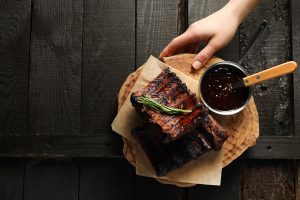
St. Louis barbecue’s reputation often lingers in the shadow of bigger players like Kansas City or Memphis. Its own style stands out. To really know St. Louis barbecue you need to look deeper and beyond some misconceptions. For BBQ aficionados searching for the best St. Louis style BBQ, it helps to dispel what sets it apart, particularly for those accustomed to other Midwestern or Southern styles.
One of the biggest myths is that St. Louis-style ribs are beef. No, these babies come from pork and are sliced into a nice, clean, rectangular rack. This trim eliminates the brisket bone, cartilage, and rib tips, so it’s more convenient to cook and consume. A lot of people assume ‘St. Louis-style’ describes the way they smoke or sauce when really, it’s this very specific butcher’s cut — one that’s become the go-to for competitive pitmasters and backyard cooks alike, well outside of Missouri borders.
This rib style isn’t simply a Midwest thing. Its appeal is nationwide, appearing at barbecue competitions and on menus coast to coast.
Another myth is that St. Louis BBQ is simply a Kansas City copycat. The sauces are similar, both tomato and sugar-based, but St. Louis sauce is thinner, tangier, and typically a little less sweet. Kansas City BBQ is famed for its thick sweet sauce and variety of meats.
St. Louis BBQ has a strong emphasis on pork, particularly ribs, with the sauce frequently serving more as a finishing accent than the primary taste. Memphis barbecue, on the other hand, is well known for dry-rubbed ribs and an increased emphasis on slow smoking. St. Louis joints might serve up sauced and dry-rubbed meats. Some of the best local spots are famous for their unparalleled dry ribs that let the meat and smoke do the talking, not the sauce.
St. Louis is occasionally considered a ‘second city’ for barbecue. This discounts its rich local culture. The city’s barbecue legacy dates back decades, with family joints and neighborhood taverns defining the landscape.
We love our sauce here—St. Louis does purchase a lot of barbecue sauce—but that’s partly because locals put it on everything from pork steaks to burgers. The city’s barbecue culture is founded on traditional pork and beef, and its record-breaking sauce consumption represents the expansive menu beyond ribs.
One last myth is that St. Louis barbecue is a fad. The reality is the city’s BBQ history is thick and what you see today is a product of decades of local pit masters experimenting with recipes, testing new wood for smoking, and mixing in community traditions.
A few spots keep it traditional, some get creative, but the city’s cuisine has always evolved with the moment.
Conclusion
St. Louis BBQ is known for its bold flavor, crisp pork and sweet, tangy sauce. St. Louis peeps know how to smoke low and slow ribs, thick sliced pork steaks, and burnt ends stacked high. Local joints keep the backyard vibe heavy, with pitmasters joshing by the smoker and tunes floating through the air. Sauce runs down your fingers and the smoke adheres to your shirt. Every joint puts its own spin on it, from old-school shacks to slick new spots. If you want a bite of the real thing, go to the small shops, get locals’ tips, and sample some plates. So, grab a friend, get messy and discover your signature BBQ. St. Louis is set to feed you well.
Frequently Asked Questions
What makes St. Louis style BBQ unique?
Best St. Louis Style BBQ! – Pork ribs, especially the spare ribs cut down to a neat rectangular shape. They were smoked and sauced with a sweet, tangy tomato-based BBQ sauce.
Is St. Louis BBQ only about ribs?
No. Sure ribs are a standard, but St. Louis BBQ has pork steaks, smoked sausages, and pulled pork. The city’s BBQ joints offer a full menu of smoked meats.
What is in St. Louis style BBQ sauce?
Best St. Louis Style BBQ Sauce
St. Louis BBQ sauce is thick, sweet, and tangy. It’s made with ketchup, brown sugar, vinegar, and spices. The sauce is generally served on the side or added post-cooking.
Where can I find the best St. Louis BBQ?
Best St. Louis Style BBQ, Head to Local Favorites Pappy’s, Bogart’s and Sugarfire Smoke House. All of them put their own spin on traditional recipes.
What are common misconceptions about St. Louis BBQ?
Some folks believe it’s just ribs or that it’s very spicy. The style is varied and the sauce is more sweet and tangy than spicy.
Can I try St. Louis style BBQ outside Missouri?
Yes. So many BBQ joints around the U.S. Have St. Louis style ribs and sauce. Nothing beats being in St. Louis itself.
What sides are popular with St. Louis BBQ?
Favorite sides are baked beans, coleslaw, potato salad, and garlic bread. These traditional sides are good with smoked meat.