- Key Takeaways
- The STL Signature
- Beyond The Rib
- The Pitmaster’s Craft
- A Tale of Two Styles
- The Perfect Plate
- Finding Your Spot
- Conclusion
- Frequently Asked Questions
- What makes St. Louis–style ribs different from other rib cuts?
- How long should I smoke St. Louis–style ribs?
- Should I use a dry rub or sauce first?
- What wood pairs best with St. Louis–style ribs?
- How do I know ribs are tender but not overcooked?
- Can I use the same technique for grill-only cooking?
- Where can I find authentic St. Louis–style BBQ in the city?
Key Takeaways
- St. Louis style BBQ is all about a particular rib cut that is trimmed into a flat, rectangular rack for even cooking and presentation, teamed with a tangy, sweet, slightly spicy tomato-based sauce that frequently incorporates ketchup, apple cider vinegar, brown sugar, mustard, and black pepper.
- The right way is low-and-slow smoking with indirect heat, usually over oak or cherry and with steady temperatures between 225 degrees and 275 degrees to ensure even smoke penetration and tender results.
- Beyond ribs, local menus serve up pork steaks, snoots, burnt ends, brisket, pulled pork, and specialty sausages. Get a sampler platter or share plates to taste it all.
- Pitmaster technique matters: look for balanced rubs of salt, black pepper, paprika, and brown sugar, thoughtful wood selection, precise time and temperature control, and a final finish on the grill for caramelized sauce.
- Round out your plate with St. Louis favorites like baked beans, cole slaw, potato salad and white cheddar cracker mac. You might enjoy a local craft beer or bourbon flight to wash it all down.
- Neighborhood smokehouses across Midtown, St. Charles and Ellisville offer some of the best St. Louis style BBQ, as well as award-winning houses like Bogart’s, Sugarfire and Beast Craft BBQ. Check out reviews and local recommendations to decide where to go.
Best St. Louis style BBQ is a regional method of smoking and grilling pork spare ribs with an emphasis on a flat cut, sweet tomato-based sauce and crisp bark. Inspired by St. Louis, Missouri, it emphasizes direct heat finishing, prominent smoke rings, and a sugar-vinegar balanced glaze.
Local joints are charcoal or gas with some hickory for smoke. Below, our guide to the best St. Louis style BBQ, including top spots, tips and tasting notes.
The STL Signature
St. Louis style BBQ centers on a clear set of features that make it distinct: a trimmed rectangular rack of pork ribs, a tangy-sweet tomato-based sauce, slow smoking over regional woods, and a menu that ranges well beyond ribs into steaks, burnt ends, and hearty sides familiar to Midwestern palates.
This section breaks those features down so readers can know what to look for when they’re out on the quest for the best St. Louis style BBQ in the city or beyond.
1. The Cut
STL STYLE RIBS St. Louis style ribs are spare ribs trimmed of the sternum bone, cartilage and rib tips to form a clean, rectangular shaped rack. It delivers a meatier, flatter rack that cooks more evenly and has better sauce retention than an untrimmed spare.
Its clean lines provide the rack with an attractive presentation on a plate and more convenient handling in a hectic restaurant or backyard cookout. Compared with baby backs, the St. Louis cut has more meat and fat and a different chew.
Compared with KC ribs, the cut is as much about its trim and presentation as sauce or smoke.
2. The Sauce
St. Louis sauce is tomato-based, tangy, and sweet. It is often thinner and more vinegar-forward than other regions’ sauces.
Standard components are ketchup, apple cider vinegar, brown sugar, mustard, and black pepper, with everything adding hot sauce or liquid smoke. That balance makes it versatile.
It coats ribs without masking smoke, works on brisket and chicken, and dresses pork steaks and sandwiches. Local brands like Maull’s show up all over the joint, and house-made sauces, which are occasionally for purchase, explain why the city values tradition and tiny innovation alike.
3. The Method
The technique is low and slow with indirect heat. Pitmasters maintain the temperatures just right to break down the connective tissue without drying the meat.
Oak and cherry are common woods, providing a mild, slightly sweet smoke that complements the sweeter sauce profile. Temperature control is everything.
Most grillmasters rely on water pans, vents, and constant temperature checks. We usually finish ribs right on the grill to caramelize sauce and add a slight char for texture.
4. The “Other” Meats
Not just ribs, STL menus featured smoked brisket, pulled pork, turkey, sausage, chicken wings, and pork butt. Pork steak is a local classic and goes great with burnt ends.
Burnt ends are a signature snack and attraction of many classic smokehouses. Sampler platters and 3 Bay Mac and Cheese with pulled pork topping help you sample the spectrum.
5. The Influence
St. Louis BBQ incorporates Southern, KC, and Texas influences, informed by its local butchers and the city’s varied neighborhoods. French, African American, and immigrant foodways have all made their impressions, spawning signature dry rubs and cooking practices.
The outcome has inspired other areas and helped disseminate bits of St. Louis style throughout the US.
Beyond The Rib
St. Louis barbecue goes well beyond the city’s iconic trimmed ribs. St. Louis-style ribs, cut to a rectangle and trending since the middle of last century, ground the tradition. Local smokehouses and backyard cooks apply the same techniques to most cuts. Dry rubs and slow smoking, along with a finishing sear or sauce, create both tender insides and, when timed right, a crispy outside.
Go beyond pork steaks, snoots, and burnt ends to immerse yourself in the full spectrum of what the best St. Louis style BBQ has to offer.
Pork Steaks
Pork steaks, a St. Louis favorite, are cut from the shoulder and often sold thick, which allows them to absorb smoke and heat without drying out. They pop up at backyard grills and neighborhood joints where cooks employ low and slow smoke first, then a hot finish over direct heat or a flat top.
Bars and diners frequently slather with a sweet or tangy BBQ sauce at the end to create that glossy seal of flavor. Texture sits between ribs and pulled pork: denser than pulled shoulder, but more sliceable than a rack of ribs, with a crust that absorbs rubs and sauces well.
Snoots
Snoots are smoked pig snouts, cooked until the outside is crispy and the inside chewy and tender. They provide a brash, smoky, salty flavor that responds well to judicious seasoning and extended, low temperature smoke.
Crunch comes from skin and cartilage rendered during the high-heat finish; within remains a concentrated pork flavor. For adventurous eaters and BBQ purists alike, snoots are a regional rite of passage and show up on menus at a few St. Louis-area purveyors of old-school fare, such as longtime smokehouses and South City counters that keep the tradition going.
Burnt Ends
Burnt ends started out as trims from the brisket or pork belly and quickly grew into St. Louis’s most desired offering. Cooks dice the meatiest barked chunks, sauce them, and put them back in the smoker until they caramelize and get a sticky glaze.
The outside is intensely caramelized and leathery, while the inside remains succulent and velvety, a powerful concentration of smoke, salt, and rendered fat. Balance burnt ends with baked beans, coleslaw, or a one-pound baked potato covered in melted butter and cheese for a classic balance.
A lot of new joints riff with pork belly burnt ends, brisket tacos, and turkey legs to round out the menu.
Must-try non-rib dishes at top St. Louis BBQ spots:
- Pork steak with a cayenne-sweet baste
- Snoots, crisped and served with pickles
- Pork belly or brisket burnt ends in sticky sauce
- Rib tips and beef ribs when available
- Turkey ribs or legs as alternative mains
- Smoked tripe or snouts at specialty counters
The Pitmaster’s Craft
St. Louis style BBQ demands steady hands and steady heat. Mastery comes from study, repeated practice, and careful attention to subtle variations. Pitmasters mix tradition and hustle, aware of when to stick to a family technique and when to test a new wood or rub.
This section dissects the artisan practical skills you will encounter in the Best STL style BBQ joints and what to observe when you visit a smokehouse.
Wood Selection
Oak and cherry are the primary woods for STL style BBQ because oak produces a clean, stable smoke and cherry imparts a mild sweetness and a rosy-colored bark. Various woods alter the smell and flavor. Hickory imparts bold, bacon-like notes and apple tends to be fruitier and lighter, so pitmasters pair wood to the cut and type of sauce.
Blends are common. Oak with a touch of cherry or apple makes a more layered profile. Trying small batches with different mixes helps shops refine unique signatures. Some pitmasters swirl in hickory or apple for specialty items, providing contrast on the minimalist menu days.
Rub Philosophy
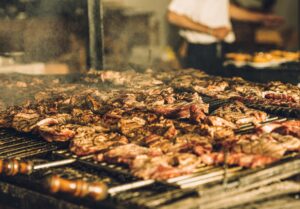
Salt, black pepper, paprika, brown sugar, and a blend of warm spices are the heart of a lot of St. Louis rubs. Some pitmasters skew ratios to savory, while others skew to sweet. The balance between savory, sweet, and heat defines a house rub and inspires how sauces and glazes finish the meat.
Dry rubs remain a cornerstone because they create a stable bark, while wet marinades or mop sauces can add moisture and flavor during long cooks. Here’s a sample view of rub ingredients from top local spots.
| Restaurant | Primary Rub Ingredients |
|---|---|
| Central Smokehouse | Salt, black pepper, paprika, brown sugar, garlic powder |
| Riverfront Bar-B-Q | Salt, cayenne, smoked paprika, brown sugar, onion powder |
| Southside Q | Kosher salt, coarse black pepper, paprika, mustard powder |
Time and Temp
Low-and-slow is the rule: long cooks, low heat, and patient monitoring yield tender, juicy meat. Suggested steady ranges tend to hover around 225°F and 275°F, although some pitmasters coddle their cuts at 210°F to 250°F, because it really depends on the fat content and connective tissue.
Ribs and brisket take a lot of hours – 4 to 12 or even more – and resting the meat before slicing is key to locking in juices. Temperature control, careful probing, and a feel for the meat turn the science of smoke into repeatable results.
A Tale of Two Styles
St. Louis eats split between two clear approaches: the home cook with a charcoal grill and the trained pitmaster in a smokehouse. Here we contrast those approaches, illustrate their place in village life and highlight how processing, equipment and timing impact taste and feel. It’s why sampling both results in the optimal St. Louis style BBQ experience.
Backyard Grilling
The quintessential St. Louis backyard bugaboo is a charcoal kettle or rib rectangular bowl sitting in your driveway or yard, with direct heat zones for searing and room for foil-wrapped sides. Several chefs sear pork chops and patties over flames, and they’ll roast St. Louis-style ribs over coals for less time.
Those ribs are the cut-down spare rib special-ordered by the USDA as ‘Pork Ribs, St. Louis Style,’ characterized by their signature rectangular shape and de-cartilaged status. Families often finish St. Louis ribs on the grill with thicker, sweet tomato-based sauces.
The sauce sticks and caramelizes, offering a more sweet, intense profile than the lighter vinegar type finishes often used with baby back ribs. Backyard ribs are rustic and hearty and often paired with a piece of plain white bread to sop up sauce. That permitted-for messiness is at the heart of block cookouts.
Neighborhoods are all about informal swapping, 15-minute recipes and 30-minute cook times that don’t interfere with busy work schedules. I love how hosts often grab local rubs and sauces from STL shops because it keeps flavor connected to place and makes hosting easy and genuine.
If you want to host, build a two-zone fire, expect to sear your pork steaks for 20 to 30 minutes, then apply a local sweet BBQ sauce towards the end to create a sticky glaze. Bring your friends, pile the white bread on the platter, and don’t be too caught up in utensils.
Smokehouse Tradition
Smokehouses use upright or offset smokers and low, indirect heat over many hours, with wood selection and air flow precisely managed. Chefs gauge temperatures in degrees and smoke thickness by sight and smell.
Pitmasters control smoke, temperature, and meat type with care, choosing cuts to complement cook time and smoke flavor. The professional menus feature full racks, brisket roasts, sausage, and specialty items.
The smokehouse approach yields more fall-off-the-bone, rich tasting meat. St. Louis-style ribs from a smokehouse boast a darker bark and more caramelized sugars derived from long cooking and saucing phases.
It is a world apart from leaner baby back ribs that often find themselves paired with dry rubs and lighter sauces. Go to the top ranked St. Louis BBQ joints and experience the spectrum.
Appreciate the crust, the sauce density, and how sides such as white bread and pickles complement the plate. Experience both to get the complete Best St. Louis style BBQ experience!
The Perfect Plate
The right St. Louis plate hits that sweet spot of smoke, sauce, sides and portion to make the meal feel complete and authentic. Classic St. Louis ribs or other smoked meats take center stage, and sticky or tangy signature sauce accents the smoke while a mix of hearty sides adds texture and color.
Presentation matters: generous portions, a clean arrangement, and bright garnishes signal the local approach to comfort and sharing.
Essential Sides
- Baked beans: sweet, smoky beans often cooked with bacon or burnt ends. They contribute molassesy sweetness and tender texture that complements fatty ribs.
- Coleslaw: a vinegar or mayo slaw brings acid and crunch to cut richness. Thin-shredded cabbage keeps the plate lively and colorful.
- Potato salad: creamy or mustard-forward versions provide a cool, starchy counterpoint. Or choose a 1-pound baked potato, smothered in butter and cheese and topped with brisket or pulled pork, for those who like a little extra ‘sustenance’.
- White cheddar cracker mac: dense, cheesy mac and cheese gives umami and cream. Options like 3 Bay Mac and Cheese with pulled pork on top show how cheese and barbecue mingle.
- Green beans: Simple smoky or braised beans add a vegetal note and balance the plate’s fat.
- Fries and sweet potato fries: crispy fried sides give textural contrast. Sweet potato fries add a sweet edge that works with tangy sauces.
- Creamed corn is sweet and creamy. It brings a nostalgic note and blends with sauces and smoke.
- Pickles and bakery items: bright pickles cut fat and refresh the palate. Rolls or cornbread finish off the meal and mop up sauce.
- Pie and other desserts: Fruit pies or simple sweets finish the plate with a sweet note and help round out calories and satisfaction.
Local Brews
Pair best St. Louis style BBQ with regional craft beers and small-batch bourbon to reflect local tastes. St. Louis boasts a vibrant beer scene with breweries clustered near most BBQ joints.
Seek out session ales, amber lagers, or a smoked porter to mirror the meat’s profile. Go with beer flights to taste several styles without having to commit, and if available, bourbon tastings to pair oak and caramel in the sauce.
Many restaurants have chosen drink menus that list suggested pairings, frequently referencing local breweries and distilleries to keep things grounded in place. For groups, sharing bottles or flights allows friends to sample more and establishes the communal plate culture that is core to St. Louis BBQ.
Finding Your Spot
Finding your best St. Louis style BBQ is finding your food, your pace, your place to what you want that day. Consider crowding, menu focus, and local reputation in advance. A lot of spots sell out quickly, so get there early or pre-order online. Some joints sell out every day or close early when the meat is gone.
Some spots maintain a wide menu or daily specials, but the majority adhere to the fundamentals, which are ribs, pork steak, burnt ends, and classic sides, and execute those flawlessly.
Venture into neighborhoods for a change of pace. Midtown provides energetic, city-side BBQ with late service and craft beer. Anticipate lines and preorders for favorites. St. Charles favors family-friendly smokehouses with spacious dining and parking, which is great if you roll deep.
Ellisville provides a quiet, suburban setting perfect for delivery and convenient pickup. Each neighborhood displays a unique facet of St. Louis culture and culinary beat, ranging from bare-bones counters to slick casual dining.
Put emphasis on local awards, popularity, and customer reviews in your selection. Long-running places that date back decades often hit a specific note: steady smoking technique and loyal recipes. Here’s one takeout staple that’s been serving the community since 1963 and still lures regulars.
Other newer names have grown up; one brand now has more than 12 locations between a few states. Awards and local press can indicate reliability, while recent reviews demonstrate freshness of service and portions.
Below is a concise list of top St. Louis BBQ restaurants and what to expect from each:
- Bogart’s: Known for classic St. Louis spare ribs and ample sides. It is often crowded, so early arrival is advised.
- Sugarfire is a modern smokehouse with creative sandwiches and sauces. It is popular for daily specials and family-style trays.
- Beast Craft BBQ: Focus on smoked meats and craft beer pairings. It is good for dining in and late-night crowds.
- Kenrick’s-style offering example: A 20-ounce fresh-cut pork steak, smoked then grilled and slathered in sauce, is a hearty local staple.
- Long-time takeout spot since 1963: No-frills, reliable smoked meats and quick pickup frequently sells out.
- Multi-location chain: Expanded menu, consistent product across sites, convenient when traveling through the region.
How to narrow choices: Read recent reviews for service and availability, check social media or the restaurant website for daily sell-out notes, and call to preorder if you want a signature item.
Test various joints from different neighborhoods to see how they match up in smoke level, sauce balance, and slice size. When a spot is hopping, hop in early so you don’t miss out on the signature dishes!
Conclusion
St. Louis style BBQ is a ringing endorsement for taste and talent. Ribs display a slender, uniform bark and a straight, trim cut. Sauce remains sweet, tangy, and anchored in tomato and molasses. Pitmasters rely on consistent heat, garlic and paprika dry rubs, and extra time on apple or hickory smoke. Dishes complement fresh slaw, tender buns toasted, and a chilled local brew.
Test a few shops around town. Remember the smoke, the bite, the sauce perfection. Find a joint that matches your taste: one that favors char and deep smoke or one that keeps things bright and saucy. Go out, sample and find out which one is right for your next BBQ run.
Frequently Asked Questions
What makes St. Louis–style ribs different from other rib cuts?
St. Louis–style ribs are spare ribs trimmed to remove the sternum bone, cartilage and rib tips, leaving a neatly squared-off shape. This results in even cooking and improved bark development, which makes them perfect for smoking or grilling.
How long should I smoke St. Louis–style ribs?
Smoke ribs at 225 for about four to six hours. Time depends on rack size and smoker consistency. Check with a probe or bend test, not just by time, to confirm doneness.
Should I use a dry rub or sauce first?
If you haven’t tried a dry rub, then you’re missing out on a crucial layer of flavor and bark. Sauce during the last 20 to 30 minutes to avoid burning and to achieve a glossy finish.
What wood pairs best with St. Louis–style ribs?
Hickory, oak, or even apple wood are favorites. Hickory provides bold smoke, oak offers balance, and apple gives a sweet, mild flavoring. Pick by desired smoke level.
How do I know ribs are tender but not overcooked?
Check for a slight curl and meat shrinking away from the bone about one-fourth to one-half inch. The probe should feel slight resistance but slide in. This defines tender, juicy ribs.
Can I use the same technique for grill-only cooking?
Yes. Use a two-zone fire: cook with low indirect heat at about 225 to 300 degrees Fahrenheit until nearly done, then finish over direct heat for caramelization. Keep consistent temperatures and beware of flare-ups.
Where can I find authentic St. Louis–style BBQ in the city?
Find local smokehouses with a spare-rib focus, regional rubs, and wood-fired pits. Check reviews and inquire about rib trimming and smoking low and slow for authentic results.