
- Key Takeaways
- The St. Louis Cut
- Why St. Louis Reigns
- Beyond The Ribs
- The Sauce Secret
- A Cultural History
- The Modern Pitmaster
- Conclusion
- Frequently Asked Questions
- What makes St. Louis style BBQ unique?
- Why do many people prefer St. Louis style ribs?
- How is St. Louis BBQ sauce different from others?
- Can you find St. Louis BBQ outside the United States?
- Is St. Louis BBQ only about ribs?
- What is the history of St. Louis style BBQ?
- Do modern BBQ chefs use traditional St. Louis BBQ methods?
Key Takeaways
- St. Louis style BBQ is defined by its distinctive rib cut, meticulous trimming, and even cooking. This method yields consistently tender and flavorful meat that appeals to BBQ enthusiasts worldwide.
- The technique utilizes indirect heat and slow smoking with cherry or oak woods, which imparts a distinct smoky quality to the meats and keeps them perfectly tender.
- His signature St. Louis BBQ sauce, with a tomato base and perfectly balanced sweet-tangy flavor, takes all kinds of meat to the next level and creates a mouthwatering, shiny glaze once in the fire.
- St. Louis BBQ isn’t just ribs. It encompasses everything from pulled pork and pork steak to smoked turkey and burnt ends, showcasing the city’s culinary tradition and innovation.
- Our BBQ culture is infused with community spirit, immigrant influences, and a meatpacking heritage that breeds a warm, inclusive food tradition.
- Today’s St. Louis pitmasters maintain the traditions and incorporate world flavors, so that St. Louis BBQ continues to resonate with a worldwide audience.
I love St. Louis style BBQ for its attention to pork ribs. Ribs are trimmed into a nice rectangular shape and grilled over direct heat to create a crunchy crust.
The style employs a tomato-based sauce, which is sweet and tangy and clings to the meat wonderfully. Many fans appreciate the even cook and texture of St. Louis cut ribs.
To demonstrate why this BBQ style receives such acclaim, the heart of the piece will include supporting points and examples.
The St. Louis Cut
The St. Louis cut is notable in barbecue circles for its precise preparation and reliable results. It’s a cut that comes off pork spare ribs, popularized by St. Louis meatpackers from the 1930s to the 1960s. These butchers started to trim the ribs in a tidy, rectangular shape, cutting away cartilage and excess tissue.
The outcome is a rib that has more meat, less gristle, and a uniform size, making it easier to cook and serve. One of the reasons the St. Louis cut remains so popular is how it utilizes the sternum bone to give the ribs a unique shape, enhancing presentation as well as flavor. It’s a staple in barbecue restaurants around the world now for its no fuss, delicious flavor and consistent cook.
- The St. Louis cut is known for its meaty goodness.
- Its square shape lends itself to simple portioning and even cooking.
- Less cartilage means a more enjoyable eating experience.
- A favorite among BBQ competitors and home cooks alike.
- Typically accompanied by a sugary, vinegary sauce, it’s a favorite among the masses.
A Perfect Trim
It’s the meticulous trimming that makes St. Louis-style ribs unique. Chers trim off the rib tips, skirt meat, and excess fat to form a uniform, rectangular slab. There’s more to this method than just aesthetics. Removing the cartilage and extra fat exposes more meat and makes each rib an even thickness.
It allows heat and smoke to permeate every inch of the rack, so the ribs cook evenly and remain juicy. With less fat, the pork flavor really shines through. These cut-up ribs absorb rubs and marinades much more effectively, allowing spices to adhere to the surface.
That makes every bite extra flavorful with a great, tender, not greasy texture. The sleek, square shape simply presents beautifully when served, making the ribs a feast for the eyes as well as the taste buds. To many BBQ enthusiasts, the tidy appearance enhances the dining experience.
The Grilling Method
St. Louis BBQ uses indirect heat to grill. This places the ribs away from the flames, allowing them to cook low and slow with consistent, indirect heat. Many cooks like to smoke the meat with cherry or oak. These woods add a subtle sweet aroma and a gentle smoky flavor that complements pork.
Slow cooking is where it’s at. It allows the collagen in the meat to dissolve, transforming brazen muscle into tender, luscious meat. Maintaining a consistent grill temperature, typically 120 to 135 degrees Celsius, prevents burning and keeps the ribs tender.
To keep an eye on the heat, we use a thermometer. This precise regulation ensures the ribs emerge from the grill tender, smoky, and bursting with flavor every single time.
The Final Sauce
St. Louis barbecue sauce is a regional style hallmark. It’s thick, tomato-based, a mix of sweet and tangy from brown sugar and vinegar. It’s a glaze and a dip. This sauce is slathered onto the ribs at the final stage of cooking, creating a sticky shiny sheen that caramelizes over the heat.
The sauce enhances the flavor of the meat. Its sweet edge slices through the fattiness of the pork, while the sour notes give it a flavor profile a nice lift. The sauce’s gloss and consistency make the ribs taste good and look good too.
For a lot of BBQ fans, it’s the sauce that finishes off the St. Louis experience.
Why St. Louis Reigns
More than any other city, St. Louis reigns not so much for the style, but for the spirit of BBQ and the incredible passion of its people. This city’s barbecue is defined by a history as a meatpacking center and a tradition of valuing variety and creativity. St. Louis uses more BBQ sauce on a per capita basis than anywhere else in the U.S., a testament to the city’s commitment to its saucy, flavorful style.
1. The Sweet Heat
St. Louis BBQ is famous for its sweet and spicy profile, which embraces all eaters. The sauce, tomato-based and a bit thinner and more vinegary than Kansas City’s, owes its signature taste to brown sugar and a careful spice blend. Sweetness is initial, but a warm heat trails into the finish so each bite is deliciously complex.
This mix is great for those who don’t like it hot and those who want a little bite. That sweet heat ties together grilled meats and brings out their best. This sauce is perfect for dunking or sopping up with slices of good old-fashioned white bread, a staple at St. Louis joints.
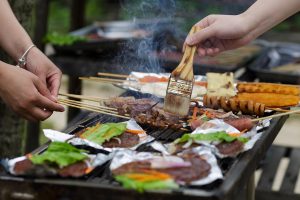
Every bite seems hearty and comforting, with tastes that don’t overpower but still pop.
2. The Pork Steak
Pork steak is St. Louis BBQ’s pièce de résistance, sliced from the shoulder and characteristically juicy and flavor-packed. Local cooks grill the steak, then slap on sauce in the last 15 to 30 minutes, letting it marinate as it’s foil-wrapped. The outcome is succulent, liberally sauced pork that maintains its juiciness.
Pork steak shows up at family functions, summer cookouts, and in just about every BBQ joint in the ‘Lou. It is versatile, serving as the entree or sliced up for sandwiches. This flexibility keeps it a favorite.
3. The Crispy Snoot
Crispy snoot, in particular, is one of St. Louis’s more creative contributions. It’s a pork cut you don’t usually get, the snoot, which they grill to crispy, crunchy-chewy perfection. This dish demonstrates local chefs’ eagerness to utilize the entire animal, paying homage to the city’s meatpacking heritage.
For most locals, the snoot is a delicacy and a badge of honor. It spices up the BBQ lineup and gets diners to try something new. The snoot’s popularity underscores St. Louis’s creative edge in barbecue.
4. The Community Spirit
BBQ in St. Louis is a communal experience. Family and friends come together for dinner, passing around plates and passing around tales. What we bring to the table – EVENTS AND COMPETITIONS THAT BRING NEIGHBORHOODS TOGETHER – BBQ ISN’T JUST FOOD – it’s TRADITION.
Local joints become meeting spots where everyone’s welcome. Sharing food creates bonds and keeps the BBQ spirit alive. This feeling of home makes each meal unforgettable.
5. The Underdog Edge
St. Louis BBQ has long labored in the shadows of the bigger styles. Its pitmasters stayed true, discovering fresh venues to display their craft. Their technique of grilling first, then saucing, distinguished them from other regional slow-smoking traditions.
It’s gaining recognition. The flavors, techniques, and hometown pride now pull followers from coast to coast.
| Meat/Dish | Key Features | Unique to St. Louis |
|---|---|---|
| Pork Steak | Grilled, sauced, juicy, versatile | Yes |
| Spare Ribs | Larger, meatier, sauced late | Signature cut |
| Crispy Snoot | Crunchy, creative use of pork | Yes |
| White Bread | Used to soak up BBQ sauce | Common tradition |
| BBQ Sauce | Tomato-based, sweet, vinegary, thin | Highest per capita use |
Beyond The Ribs
St. Louis BBQ is famous for ribs, but what distinguishes it is the variety of meats and flavors that extend well beyond this traditional favorite. Our local tradition appreciates the fine art of butchery. St. Louis-style ribs are actually spare ribs, trimmed into a flat, uniform shape that is easy to cook and serve.
These ribs are larger than baby backs, with more fat and deep flavor, and the absence of cartilage makes them just plain easy to eat. Although most prefer to cook the racks whole and cut down afterwards, our signature cut is about consistency and presentation. The true St. Louis BBQ story lives in the variety of meats and methods adopted throughout the city’s pits and tables.
Pulled Pork
Pulled pork is a staple at most St. Louis BBQs. The pork shoulder is cooked low and slow, typically smoked over hardwoods for hours on end. This technique allows the fat to dissolve, leaving the meat juicy and flavorful.
The outcome is pork with a pull-apart tenderness at every bite. Smoke soaks deep into the flesh, layering the taste from sweet to a bit tangy, depending on your rubs and sauce. FANS OF PULLED PORK, IT’S ALL ABOUT THAT VERSATILITY.
It’s the hero in a sandwich, with pickles or slaw on top, or in a bigger platter alongside beans and bread. Its popularity at block parties, family events and festivals can’t be overstated. It feeds a crowd and fits into so many dishes. Pulled pork’s flavorful profile and tender texture have made it a hit among BBQ lovers and noobs alike.
Smoked Turkey
Smoked turkey makes for a lighter, leaner option in the St. Louis BBQ universe. We dry rub or season our turkey breasts with a simple salt and pepper blend and smoke them to juicy perfection on the inside and golden outside.
The slow smoking process lends turkey a deep, woodsy flavor that is unique from typical BBQ meats. Different from roasting or frying, smoking retains the meat’s moisture and imparts gentle notes that complement a classic side.
We usually see smoked turkey on holiday tables and celebratory feasts, where it either shines as a centerpiece or on a meat and cheese tray. Most local BBQ joints still have it on the menu, slicing up slices or sandwiches in tribute to evolving flavor profiles and nutritional requirements.
Burnt Ends
Burnt ends are cubed, the scrumptious, bark-covered edges of smoked brisket. These guys are loved for their combination of a crispy outside and soft, juicy inside. Pitmasters slice off the point end of the brisket and smoke it some more, letting the cubes caramelize and absorb even more smoke.
The final product is a bite that’s smoky, robust, tender — usually slathered in sauce for an added dimension of flavor. Burnt ends have emerged as a signature offering at BBQ joints and backyard cookouts around St. Louis — celebrated for their intense flavor and delightful chew.
They’re the innovative soul of local BBQ, demonstrating how even leftover cuts can turn into coveted delights.
The Sauce Secret
St. Louis BBQ is all about the sauce, the hallmark of the region’s barbecue style. This sauce has a unique combination of tang, sweet, and a thinner body that delivers a bold and balanced experience. The following table breaks down the core elements that make St. Louis BBQ sauce distinct:
| Key Element | Description |
|---|---|
| Tomato Base | Provides sweetness, color, and depth |
| Vinegar | Adds acidity for balance |
| Brown Sugar | Lends sweetness and helps caramelize |
| Apple Cider Vinegar | Balances flavor, enhances tang |
| Spices | Salt, pepper, garlic, onion, and sometimes liquid smoke |
| Thin Consistency | Ensures even coating and deep absorption |
The sauce’s balance of sweet and acidic notes allows it to be flexible to a wide array of meats. Its light tang and thin consistency allow it to slice through the fattiness of pork, beef, or poultry and put a lift into every bite without smothering the inherent flavors.
Tomato Base
There’s a tomato base at the heart of St. Louis BBQ sauce. Tomatoes, whether ketchup or canned plum tomatoes, form a sweet, rich basis. This base imparts the sauce with its signature reddish tone and mouth-watering aroma, instantly iconic among world BBQ styles.
Plum tomatoes, in particular, reduce acidity, resulting in a smoother, deeper flavor. Tomato-based sauces are perhaps the most versatile. They mix well with spices and flavorings, making them fit for just about anything from ribs to chicken.
In St. Louis BBQ, the tomato’s natural sweetness makes the sauce work with both fatty and leaner cuts of meat and easily transitions to grilling, roasting, or smoking. It is this tomato base that not only defines the sauce’s flavor but establishes the paradigm for what patrons anticipate in St. Louis BBQ.
Sweet and Tangy
St. Louis BBQ sauce is known for having a sweet and tangy flavor. Brown sugar and ketchup provide the sweetness, and apple cider vinegar occasionally gives it its tangy edge. This duality is vital and is controlled by cooking the sauce down for long periods so that each flavor melds without dominating.
Other typical spices, such as onion powder, garlic powder, and even fragments of onion, contribute to the richness. I’ve known a few home cooks to thin the sauce with beer, such as Busch, for an added hint of intrigue.
Sweet and tangy profiles have wide appeal, delighting bite lovers and those desiring a deeper sugar note. This approach to flavor is what makes St. Louis sauce so appealing to every age and background, leaving it open to the world’s palate while remaining loyal to its roots.
Thin Consistency
St. Louis BBQ sauce is a lot thinner than thick Kansas City sauces. That same consistency is a technical advantage. This allows the sauce to permeate the meat, sealing in moisture and flavor as it cooks.
This thinner texture means the sauce can be brushed or poured with ease, making it user-friendly whether you’re grilling over open flames or finishing dishes in the oven. A thinner sauce caramelizes faster, more evenly, and it better seasons the end crust without burning.
It’s great on ribs and wings, even veggies – a light, but memorable coating. It’s the sauce’s ability to enhance, not overwhelm, the food that guarantees a well-rounded, gratifying din.
A Cultural History
St. Louis BBQ evolved over the course of generations from a blend of local traditions, industrial history and cultural exchange. Its roots run deep, fashioned by trade and neighborliness, influenced by the area’s meatpacking heritage and the impact of various communities. This style is distinct because it combines tradition, functionality and a powerful local community identity.
Meatpacking Roots
St. Louis BBQ’s tale starts with the city’s meatpacking days. St. Louis, along with Kansas City, was a meatpacking hub at the turn of the century. This produced ample, quality pork and beef, paving the way for a cult of select cuts barbecue. St. Louis-style ribs gained renown not only for their trim, uniform shape and trimmed brisket bone, they cared about flavor, too.
These cuts, originally selected for ease of processing in meatpacking plants, today denote craft and terroir at cookouts and diners. Early settlers brought traditional BBQ techniques to St. Louis and learned smoking and slow-cooking methods from Missouri American Indians. The city’s Black community was central to honing these techniques, bequeathing abilities from one generation to the next, even as their efforts frequently went unacknowledged.
Pitmasters such as Henry Perry, formerly a riverboat cook, helped establish barbecue as an artisan trade. Later, Arthur Bryant would become a groundbreaking Black pitmaster whose impact transcended city and state lines, demonstrating how St. Louis’s BBQ legacy was cultivated both industrially and by individual craft.
Immigrant Influence
- German immigrants introduced sausage-making and a hunger for pork, directing attention toward pork ribs and bratwurst.
- Italian arrivals brought tomato-based sauces, planting the seed for St. Louis’s signature sweet and tangy BBQ sauce, which is thinner and more vinegary than its Kansas City counterpart.
- Eastern European and Jewish communities had smoking and curing traditions, which broadened the city’s barbecue vocabulary.
- Black southern migrants maintained and developed methods steeped in African and African American history, using whatever they had on hand to create bold, layered flavor profiles.
These influences are taken by local chefs in St. Louis and made their own, mixing the old and the new. They couple traditional smoking with novel spices or adjust sauces to evolving palates. It’s this cultural dialogue, carried on through the grill smoke, that keeps the BBQ world fresh and inventive, yet rooted in the tradition that established it.
Backyard Tradition
Backyard get-togethers are the soul of St. Louis BBQ. Families and friends convene in tiny yards, breaking bread and sharing anecdotes over the smoker. These are occasions for bonding and for sharing recipes and techniques with the younger generation.
Barbecue in St. Louis isn’t just food, it’s a brotherhood. In so many neighborhoods, the aroma of smoking ribs announces a party, holidays or even just a sunny weekend. Common work, caring for fire, monitoring meat, and stirring sauce unites and bonds individuals, instilling a belief of community and pride in their local culture.
The backyard tradition is where a lot of the region’s BBQ innovations begin, as home cooks tinker and trade concepts. It is this culture of sharing that keeps St. Louis barbecue evolving, and it always stays grounded in community.
The Modern Pitmaster
The new age pitmaster is at the intersection of tradition and technology. This position dates back to enslaved Native Americans, Africans, and African Americans, barbecue’s trailblazers in the US. Today’s St. Louis pitmasters both pay homage to these roots and reinvent them, mixing reverence for tradition with a hunger to innovate. The end result is a BBQ tradition that is at once rooted and kinetic.
Tradition Evolved
St. Louis BBQ traditions have roamed for decades, evolving through cultural cross-pollination and social transformation. Early pitmasters had wood fires and rudimentary dry rubs, handing down secrets from father to son. In recent years, local chefs have brought sweet and tangy sauces, new spice blends, and different cuts of meat like the St. Louis-style pork ribs that took off in the 1930s.
Much like today’s pitmasters, many cooks now blend the old and new together, blending traditional smoking with contemporary grilling. Others, like Adrian Miller, bring unique backgrounds that infuse the craft with new insights and a greater appreciation of its origins. This mix of old and new allows modern St. Louis BBQ to evolve with the times without losing its essence.
Technique Over Tech
Hands-on skills craft every step of St. Louis BBQ. Seasoned pitmasters rely on their senses—vision, olfaction, and touch—rather than gadgets or mechanized apparatuses. They select cuts such as pork ribs with great care, hand-trim and monitor the smoking process for hours.
Although some use thermometers or timers, the majority depend on years of experience to judge doneness and flavor. It’s about craftsmanship, not cunning shortcuts. Flavor comes from patience, wood smoke, and precise seasoning, not cutting-edge technology. This dedication to craft keeps the BBQ experience grounded and authentic, linking every plate to its heritage.
Global Palates
St. Louis BBQ is not just for locals. It now entices diners across the globe with its versatile flavors and style. Other pitmasters play with global spices, such as Korean gochujang or North African harissa, folded into sauces or rubs.
Others provide fusion fare, with ribs glazed with a soy-ginger sauce or smoked meat served alongside Mediterranean salads. These innovations make St. Louis BBQ attractive to more mainstream flavors, rendering it a cross-cultural connection. As foodies crave adventure, St. Louis BBQ’s blend of old-world craftsmanship and modern innovation has secured a coveted place on menus long past city limits.
Conclusion
St. Louis style BBQ keeps it plain and punchy. Thick, meaty ribs crowd plates at family tables and backyard parties. Pitmasters cut ribs square and grill them slow to seal in the authentic smoke flavor. That sauce is sweet and tangy, not too hot, just enough zing to jolt the tongue. With every bite, it reveals the craftsmanship and respect behind the flame. BBQ joints in St. Louis work hard to keep old ways alive and find new tricks to keep things fresh. To maximize your own BBQ experience, give a St. Louis cut a shot next time you spark the grill. Gather pals, share legends, and sample why this style continues to capture souls.
Frequently Asked Questions
What makes St. Louis style BBQ unique?
St. Louis style BBQ, with its trimmed pork ribs, sweet tomato-based sauce and balanced flavors. I love the St. Louis cut for meaty, fall-off-the-bone tender ribs that cook evenly and soak up sauce.
Why do many people prefer St. Louis style ribs?
Most people prefer St. Louis style ribs for their consistent shape and heavy flavor. The trim cuts away excess cartilage so that the ribs are easier to eat and more delicious for all.
How is St. Louis BBQ sauce different from others?
St. Louis BBQ sauce is sweet, tangy, and thick. It is tomato-based with a touch of vinegar. It is less smoky and spicy than other regional sauces, which makes it perfect for the masses.
Can you find St. Louis BBQ outside the United States?
Yup, St. Louis style BBQ is world famous. Restaurants and home cooks worldwide serve up St. Louis cut ribs and employ similar cooking and sauce styles.
Is St. Louis BBQ only about ribs?
St. Louis BBQ includes pulled pork, sausages, and chicken. Its signature St. Louis cut ribs and sauce are its most renowned features.
What is the history of St. Louis style BBQ?
St. Louis style BBQ started in the early 1900s. Local butchers made the rib cut popular and the city’s many cuisines influenced its unique cooking and sauce traditions.
Do modern BBQ chefs use traditional St. Louis BBQ methods?
These days, many pitmasters pay homage to traditional St. Louis BBQ and throw in new spices or styles of cooking. It’s this mix of old and new that continues to make the style fresh.