
- Key Takeaways
- The STL BBQ Blueprint
- More Than Ribs
- Finding Your Spot
- The Sharpshooter Story
- Beyond The Plate
- The Sauce Debate
- Conclusion
- Frequently Asked Questions
- What makes St. Louis style BBQ unique?
- Is St. Louis BBQ only about ribs?
- Where can I find authentic St. Louis style BBQ in St. Louis?
- What is the traditional St. Louis BBQ sauce like?
- What should I try besides ribs at a St. Louis BBQ joint?
- Are there vegetarian options at St. Louis BBQ restaurants?
- How do I choose the best St. Louis BBQ restaurant for my visit?
Key Takeaways
- St. Louis style BBQ is defined by its signature rib cut, regional sauces, and the use of local hardwoods like cherry and oak. All contribute to authentic flavors unique to the area.
- The rib cut, especially St. Louis style spare ribs, is a BBQ joint and backyard favorite known for its tenderness and flavor when cooked low and slow.
- Specialized, typically tomato-based, sweet and tangy sauces are a hallmark of St. Louis BBQ. Numerous local establishments and food trucks boast their signature versions.
- More than just ribs, St. Louis BBQ is known for its pork steaks, snoots, and rib tips, representing the use of local meats and inventive preparations forged by immigrants and adventurous chefs.
- Community is king when it comes to St. Louis BBQ. Neighborhood joints and food trucks, cookouts and yearly festivals all keep the tradition alive and the local bonds strong.
- For the freshest taste and non-stop fun, embrace St. Louis’ diverse BBQ scene by diving into local classics and innovative new plate-spinners alike.
Best St. Louis style BBQ is slow smoked St. Louis style cut pork ribs lathered in thick tomato-based tangy sauce and grilled to a little char.
Here in St. Louis, local favorites like Pappy’s Smokehouse, Bogart’s Smokehouse and Sugarfire Smoke House top us off with meaty ribs, thick bark and punchy smoke flavor.
Each location utilizes hickory wood, keeping the BBQ authentic. Below, discover what makes each joint distinctive here in St. Louis.
The STL BBQ Blueprint
St. Louis style BBQ is all about going your own way, mixing a healthy dose of regional pride with some serious cooking chops. A specialty in certain rib cuts, a house sauce and a grill-first technique comprise the fundamentals. Local ingredients from Missouri-grown tomatoes to cherry wood influence the flavors.
Pork ribs, pork steak, and heaping sides, oh yeah, with white bread to soak it all up, that’s the classic spread. Still characterized by the power of KC BBQ, STL BBQ takes its own path, full of rich, sweet and tangy notes.
Essential Characteristics of St. Louis Style BBQ:
- St. Louis-style ribs are rectangular, meaty, and trimmed for less cartilage.
- Pork steak and rib tips are favorite cuts, especially for gatherings.
- Grilled and sauced is less time-consuming than slow-smoked BBQ.
- Tomato-based, sweet, tangy sauce includes ketchup, brown sugar, vinegar, and spices.
- White bread: always served to soak up sauce.
- Local ingredients include Missouri tomatoes, cherry wood, and oak wood for smoke.
- Sides: coleslaw, baked beans, and potato salad.
- BBQ history shares roots with Kansas City with its own twist.
1. The Rib Cut
St. Louis BBQ prefers spare ribs that have been trimmed to a tidy rectangle, known as St. Louis-style ribs. These are meatier than baby backs with less cartilage, so they’re easier to chow down on. For the most part, joints grill the ribs initially, slathering sauce on late in the process instead of employing a dry rub or hours of smoke.
This technique provides the ribs with a charred exterior and a juicy interior. Ribs are more than just food; they’re an excuse for friends and families to get together, especially in the summer. Others, such as Pappy’s Smokehouse and Bogart’s, present smoked ribs with house-made glazes or dry rubs, flaunting alternate flavors of the traditional STL rib.
2. The Sauce
STL BBQ sauce is thick, sweet, and tangy. The base is ketchup, brown sugar, and apple cider vinegar, with added spices for complexity. Although tomato-based sauces are the standard, certain spots offer a spicier or vinegar-forward sauce.
The sauce pumps up the flavor of pork ribs, brisket, burnt ends, and pork steak. Sugarfire Smoke House and Salt + Smoke both have bold, signature sauces that complement everything from ribs to fries.
3. The Grilling Method
BBQ in here means grill to sauce. Smoking is occasionally employed, using cherry or oak for a mild, sweet smoke. Most meats cook over direct or indirect heat, not for hours, but until tender and well-charred.
Low and slow is the exception, but some pitmasters apply it to brisket. The result is a crusty, caramelized outside and fast cooking times. They all impact how juicy or smoky the meat is.
4. The Pork Steak
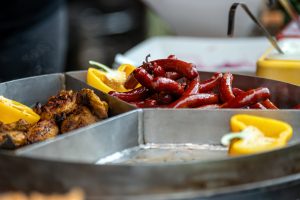
Pork steak is a St. Louis classic. Sliced from the pork shoulder, it’s grilled and sauced until tender. A marinade or spice rub can contribute additional flavor.
Pork steaks are a summer mainstay at backyard cookouts, family reunions, and local festivals. In comparison to ribs, pork steak is fattier, juicier, and absorbs sauce like a sponge, leaving each bite with that rich, tangy punch.
5. The Sides
Traditional sides accompany every STL BBQ platter. Coleslaw, baked beans, and potato salad are the most common. Some spots even offer fried corn or pickles for a fun twist.
Sides support the aggressive, sticky flavors of BBQ meats. Restaurants can add their signature to sides, such as smoked beans, jalapeño slaw, or cheesy potatoes, allowing diners to combine textures and flavors with every plate.
More Than Ribs
St. Louis style BBQ is synonymous with ribs but its true complexity emanates from its variety of meats and flavor. The BBQ here is about more than ribs, informed by local history, immigrants, and a spirit of innovation. A lot of the local joints and pitmasters have brisket, pork steaks, sausages, and city-specific cuts like snoots and tips.
This range has been a part of tradition and experimentation that makes St. Louis BBQ unique compared to other regions like Texas, Kansas City, or Memphis.
Snoots and Tips
Snoots, which are pig snouts, and tips, typically pork rib ends, are both St. Louis BBQ staples that don’t get as much national recognition as ribs. They take artistry and time to make, frequently slow-smoked or grilled until crunchy on the outside and melt in your mouth on the inside. Local pitmasters typically drown them in tangy sauces or dry rubs, letting the smoke work its magic and bringing out bold, savory flavors.
We love these cuts for their texture and rich flavor, complemented with a side of homemade local sauce. Snoots and tips are a favorite in the city’s food scene. Over decades, they morphed into icons of culinary creativity, the result of a ‘use all parts of the animal’ heritage.
You’ll get them at local joints, sometimes as an appetizer or with a meal. Having them on menus demonstrates the innovation of St. Louis chefs, who continue to find ways to pay tribute to the history and create something new.
Local Woods
St. Louis BBQ, like many regional styles, depends on local woods for smoking: hickory, oak, and occasionally, cherry. Hickory lends a powerful, somewhat sweet smoke that plays nicely with pork and beef. Oak is milder and is good for longer cooks, while cherry lends a faint fruitiness that goes well with sausages or chicken.
The wood selection can alter the flavor of the meat, allowing each pitmaster to put their twist on a meal. Local wood makes sense for the region’s ecosystem, keeps fuel costs low and sustains area loggers. Home cooks can experiment with mixing woods to discover their own preferred blend.
For brisket, hickory and oak blend well. For pork steaks, cherry alone or with a hint of hickory gives a nice, well-balanced flavor.
Immigrant Influence
St. Louis BBQ owes a lot to the city’s immigrant communities, who introduced new spices, sauces, and methods of preparation. German immigrants contributed their sausage-making talents and the Italians introduced sweet and tangy tomato-based sauces. African American cooks forged the soul of the city’s BBQ, infusing Southern traditions with their own local flavors to create something uniquely St. Louis.
These bands didn’t merely introduce new eats—they altered how BBQ is prepared and eaten. This makes for a great variety of flavor and approach, from spicy sausages to sweet ribs to vinegary tips.
That mixture is what gives St. Louis BBQ its depth and what makes it so much more than a plate of ribs.
Finding Your Spot
Finding the best St. Louis style BBQ often means exploring the city’s diverse barbecue culture. Every spot delivers a unique blend of spices, tradition, and ambience. Some folks dig places with live music or a sports atmosphere, while others seek out quiet, tucked-away holes-in-the-wall.
Experiencing places helps you discover what suits your palate and temperament. Ambiance, menu variety, and even the side dishes can make a huge difference! It’s personal—where you go, how much you pay, and what sort of barbecue they have all factor into the experience.
Well, St. Louis barbecue is pork and sweet, tangy sauces, but every spot puts their own spin on it. Often, the best discovery is a hidden local gem.
Neighborhood Joints
Neighborhood barbecue joints lay the groundwork for the St. Louis BBQ culture. Locals flock to Bogart’s Smokehouse in Soulard or Pappy’s Smokehouse on Olive Street for their melt-in-your-mouth ribs and old-fashioned sandwich platters.
These aren’t chains; they’ve been planted in their communities, many family owned and operated for years. The allure of neighborhood spots is their no-frills vibe, with mismatched tables and walls adorned by local photos or neon beer signs.
There’s that feeling of belonging, with regulars talking with the staff, moms and dads passing around enormous platters, and an easy-going, laid-back beat that sings to kids of all ages.
Menus typically include St. Louis-cut pork ribs, pulled pork and smoked sausage, with classic sides like baked beans and creamy slaw. A few joints have burnt ends or turkey, and many let you select your sauce, from sweet to spicy.
What really pulls us in is the nitty gritty—house-made rubs, meats smoked low and slow, family recipes told for generations. These are not just restaurants; they’re local gathering spots where both the cuisine and the crowd count.
The New Wave
A new crop of BBQ joints in St. Louis is redefining smoked meat. These new wave spots mix old school with new age cooking, sometimes sous vide before smoking meat or infusing with world flavors.
Think Salt and Smoke, where anything from brisket can arrive with a side of white cheddar mac and cheese, or BEAST Craft BBQ, which combines local pork with ferocious spice rubs and delectable experimental sauces.
Social media makes these places pop. Chefs send out behind-the-scenes snaps or pop-up menus, attracting a hip young audience hungry for new experiences.
These restaurants may replace the traditional white bread with artisan rolls or offer seasonal dishes. Visiting these spots provides BBQ enthusiasts a new perspective on St. Louis barbecue and keeps even old-timers to the area spicing things up.
Food Truck Finds
BBQ food trucks are now huge in St. Louis. Mobile vendors such as The Stellar Hog or Super Smokers BBQ take smoked meat to street corners, business parks, and local events.
These trucks are simple, accessible, and allow you to sample BBQ without the wait or stuffiness of a sit-down restaurant. Not huge menus, but lots of creativity — brisket tacos or pulled pork nachos.
Food truck rallies and popups give you the opportunity to experience multiple BBQ styles under one tent. Others shift their menu by season or even event to event.
With the laid-back environment, picnic-style seating, and the opportunity to talk to the chefs, food trucks are a hit with folks looking for something quick and exciting.
The Sharpshooter Story
Sharpshooter BBQ is a rarity in St. Louis barbecue, combining a deep connection to local flavor with the layer of surprise that comes with having an indoor shooting range. This mix lends a social twist, positioning it as a prime destination for group excursions and events.
The barbecue style sticks to tradition, giving a nod to classic St. Louis methods: hand-trimmed meats, local ingredients, and a slow-smoking process that people travel miles to enjoy. Sharpshooter BBQ has enjoyed a cult-like following among foodies, particularly those on the “rib road trip” between Memphis and Kansas City, which has added to its mystique.
Pitmaster Profile
Sharpshooter BBQ’s pitmaster grew up just outside of St. Louis, immersing himself in barbecue at family cookouts and local joints. Years in Missouri kitchens informed their style, blending traditional culinary techniques with down-home barbecue know-how.
This history provides a context for why Sharpshooter BBQ is deliciously familiar, but not ever dull. What is striking is the pitmaster’s attention to every stage, from hand-trimming the meat to seasoning and resting it overnight. That patience comes through in the end.
The pitmaster’s philosophy is one of respect for ingredients, using Missouri-raised pork and slow-smoking with cherry wood for a mild, sweet flavoring to the ribs. Their methods are time-tested. Sauce is brushed on only in the last 15 to 30 minutes.
Then the meat is wrapped in foil so the flavors set in, never rushed. These details are what distinguish ‘good enough’ from ‘worth the trip’. Over the years, it’s won local BBQ awards and a loyal following of regulars who appreciate the art.
Signature Dish
The star at Sharpshooter BBQ is their cherry wood-smoked pork ribs. What makes them special is the balance of hand pulled meat, seasoned with a rub that’s more savory than sweet, and then smoked low and slow.
The ribs are finished off with a tangy red sauce, applied late in the cook, so it sticks but never chars. Afterward, they’re broiled to allow the sauce to soak in, making them tender but not crumbly. Locals proclaim the ribs have a ‘true St. Louis bite’.
Reviews talk about the deep smoke ring and a clean finish, not greasy and not heavy. First-timers remember the sweet smoke and pop of the sauce as “worth a detour.
Locals emphasize the attention to detail in each and every plate, from the ribs to pulled pork and pork steaks, making Sharpshooter BBQ a can’t miss for anyone craving to try authentic St. Louis barbecue.
Beyond The Plate
Barbecue in St. Louis extends well beyond the plate. These events create camaraderie, honor cultural food traditions, and provide an opportunity for local businesses to flourish. From community cookouts to annual festivals and catered events, BBQ ties people together and keeps culture alive.
Community Cookouts
It’s a St. Louis community cookout — the air heavy with smoke, laughter and blues music emanating from a nearby stage. The scene is typically uncomplicated: folding tables, checkered tablecloths and neighbors reconnecting over plates piled high with ribs and pulled pork. Others take their funky realness outside for what feels like a never-ending weekend cookout.
The menu at these affairs is never just one thing. Classic STL-style ribs, pork steaks and snoots rub elbows with breakfast sammie versions of ‘que, a morning market delight. Sweet BBQ sauces complement the salty, savory aromas of the grilled meats and mounds of sides, slaw, beans, pickles, fill every table.
Local traditions sparkle here, from the serving of meats on white bread to the country, unpretentious presentation. These cookouts turn into parties that honor the city’s tradition by mixing the new and old. The community expands across every dinner table.
Attending a cookout is an opportunity to sample authentic local culture. Newbies are often embraced in these events, so anyone can come on board and grab a seat at the table.
Annual Festivals
Barbecue festivals here in St. Louis happen every single year, attracting visitors from everywhere. These occasions turn parks and blocks into buzzing epicenters, filled with the mouthwatering scent of smoked meat. Vendors have booths set up, each featuring different takes on ribs, brisket, and all the fixins.
Contests are a highlight, with pitmasters competing for bragging rights in categories such as best sauce or tenderest ribs. Visitors can observe teams in action, take away advice, or participate in tasting competitions. Live music, especially blues, provides a lively backdrop from dawn to dusk.
Sampling plates allow guests to taste test different BBQ styles. From sweet, sticky ribs to tangy pulled pork, every bite is a story of the region. Festivals serve up tons of meat, making the average meal an absolute spectacle.
If those festival dates aren’t already marked on your calendar, it’s a MUST to do so if you want to catch St. Louis BBQ at its best.
Catering Culture
BBQ catering takes off in St. Louis, bringing smoked meats to events large and small. Businesses now provide full-service wedding, corporate, and family reunion catering. The relaxed, informal vibe of BBQ suits all kinds of events.
Catering menus feature the city’s favorites – ribs, burnt ends, chicken, even barbecue breakfast sandwiches. Many caterers play it safe, providing takeout-style service or rustic trays and white bread setups that mirror the ’no frills’ feel of neighborhood joints.
Opting for BBQ means guests receive delicious, traditional fare that fits everyone’s palate. Sweet sauces and savory rubs are crowd-pleasing options. BBQ’s communal nature, with massive platters designed for sharing, certainly lends itself to gathering folks.
For your next party or meeting, local caterers provide a means of incorporating genuine St. Louis taste and bonding through every bite.
The Sauce Debate
St. Louis style barbecue is known for its bold flavors, and the great sauce debate lies at the core of this uniqueness. The debate centers on two main sauce styles: tomato-based and vinegar-based. Both add a distinct flavor and consistency to the mix, defining the BBQ culture in a manner that resonates with regional identity and history. In St. Louis, it’s not just a topping, it’s a statement.
|
Sauce Type |
Base Ingredient |
Texture |
Flavor Profile |
Common Region |
|---|---|---|---|---|
|
Tomato-Based |
Tomato (ketchup or puree) |
Thick to thin |
Sweet, tangy, sometimes smoky |
St. Louis, Kansas City |
|
Vinegar-Based |
Vinegar |
Thin |
Tangy, sharp, less sweet |
Carolina (especially East) |
Tomato-based sauces are what most envision when they picture St. Louis style. They vary from thin and pourable to thick and sticky. The sweet, tangy kick is derived from a combination of tomatoes, brown sugar, and often a dash of smoke or spice. These sauces coat ribs and chicken well, providing them with that shiny finish so many locals anticipate.
St. Louis sauce, in particular, is sweeter and frequently a bit thinner than its Kansas City cousin, which likes to heave on molasses for a darker, more close to the bone flavor. There’s a great debate on how much sauce is too much. Some KC people like it really glazed, but out in St. Louis they want just enough to cover the meat without overwhelming it.
Vinegar-based sauces, prevalent in eastern North Carolina, are tangy, thin, and not sweet in the least. These sauces soak into the meat instead of sitting on top. Some St. Louis pitmasters serve a vinegar-based option for those with a bite, but it’s not the town’s signature flavor. The impact of other areas, such as the piquant sauces of Texas or Memphis’ dry rubs, enhances the diversity you’ll encounter in neighborhood BBQ shacks.
Locals take sauce very seriously. For others, the “right” sauce is a family or personal preference. It’s a debate that can get heated, and for some, it’s a Southern squabble that never really gets squared away. You’ll hear debates over whether ribs should be dripping in sauce or flaunt a dry rub, and people will passionately champion their preferred method.
When it comes to sauce, it generally depends on what you grew up with and what you believe authentic BBQ should taste like. Experiencing new sauces is half the fun of eating barbecue in St. Louis! Some of us hop styles based on what’s on our plate and others of us ride our favorite ’til the wheels come off.
Either way, the best way to discover what you like is to try a couple different varieties, be it thick, thin, sweet, tangy, or spicy, and see what works for you.
Conclusion
Best st. Louis style bbq
St. Louis style BBQ keeps it real. Smoke wafts from brick pits, ribs are trimmed just right and sauce is thick and sweet. People fight over which place takes the cake as best, but all have their appeal. Smokey brisket from Sharpshooter and tips ‘n’ crunch from a local joint are the best way to dig in. Sample a bit of all, chat up the pitmaster and absorb the atmosphere. St. Louis BBQ is not simply about the cuisine, it is about a piece of local pride and sharing it up with friends. Have a favorite. So stop by your favorite joint, pick up a slab and post what makes it great. BBQ st. Louis style keeps evolving so keep eating.
Frequently Asked Questions
What makes St. Louis style BBQ unique?
St. Louis style BBQ consists of spare ribs cut in a rectangular shape and their sweet, tangy tomato-based sauce. The meat is grilled and then sauced, providing that caramelized finish.
Is St. Louis BBQ only about ribs?
No. St. Louis BBQ isn’t just famous for ribs, though it includes pork steaks, smoked sausages, and pulled pork. Sides such as baked beans and potato salad are local favorites.
Where can I find authentic St. Louis style BBQ in St. Louis?
Favorites were Pappy’s Smokehouse, Bogart’s Smokehouse and Sugarfire Smoke House. These restaurants serve some of the most classic St. Louis flavors and techniques.
What is the traditional St. Louis BBQ sauce like?
St. Louis BBQ sauce is a tomato-based sauce that is sweet, tangy, and a little spicy. It is thicker than Kansas City sauce and tends to have brown sugar, vinegar, and a little heat.
What should I try besides ribs at a St. Louis BBQ joint?
Think pork steaks, snoots (crispy pig skin), smoked sausages, and burnt ends. All provide a unique flavor of St. Louis BBQ heritage.
Are there vegetarian options at St. Louis BBQ restaurants?
Yup, a lot of St. Louis BBQ places serve up sides such as baked beans, coleslaw, and potato salad. A few even offer grilled vegetables or meatless sandwiches.
How do I choose the best St. Louis BBQ restaurant for my visit?
Search out local raves and awards and long lines. Legit joints incorporate fresh produce, slow-smoked meat, and scratch sauces. Ask locals for their favorites, as well.