
- Key Takeaways
- The St. Louis Identity
- A City’s Legacy
- The Complete Plate
- More Than Smoke
- Tradition Meets Today
- Your Home Grill
- Conclusion
- Frequently Asked Questions
- What sets St. Louis style BBQ apart from other barbecue styles?
- Why are St. Louis ribs popular worldwide?
- What is typically served with St. Louis style BBQ?
- Is St. Louis style BBQ only about ribs?
- What kind of sauce is used in St. Louis style BBQ?
- Can I make St. Louis style BBQ at home?
- Does St. Louis style BBQ rely heavily on smoke flavor?
Key Takeaways
- St. Louis style BBQ rocks because of our signature rib cut and our tangy tomato-based sauce that provides consistent flavor and a meaty texture that satisfies all palates.
- Indirect heat grilling and quality woods like cherry or oak impart a deep smoky flavor to meats and keep them tender, making this technique perfect for home cooks and professionals.
- Pork steak and crispy snoot are the region’s thrifty pork chops, both economical and diverse, along with all the uniquely textured flavors that make St. Louis style BBQ the best.
- Side dishes like potato salad, coleslaw, and baked beans are a must in St. Louis BBQ. They provide balance and that extra flavor to a plate, making an entire meal.
- St. Louis BBQ culture isn’t just about the food; it’s about the community, with gatherings, competitions, and local breweries all playing a part in the city’s identity.
- Readers at home can experience the real St. Louis-style BBQ through proper cuts, traditional sauces, and patient grilling mixed with new flavor and technique experimentation to make it their own!
What makes St. Louis style BBQ best is its emphasis on pork ribs, a sweet tomato-based sauce and meticulous trimming that reflects a neat appearance of the meat.
The ribs are cooked over indirect heat, which keeps them tender and juicy. The sauce imparts a thick, tangy deliciousness that complements the smoked meat to a T.
Local pitmasters apply simple rubs, allowing the natural savor of the meat to shine. The following section dissects these characteristics.
The St. Louis Identity
What makes St. Louis-style barbecue unique is its emphasis on grilling, saucing, and a particular stance on meat cuts and flavors. This barbecue tradition mixes local ingenuity with regional meatpacking heritage and distinguishes itself in the smoking and grilling world.
1. The Rib Cut
St. Louis-style ribs are spare ribs, trimmed into neat, rectangular slabs. This trim takes away the sternum bone, cartilage, and rib tips, resulting in a flatter rib with more meat and less gristle. With its uniform shape, they cook evenly and hold sauce better.
It makes every bite meaty and satisfying, a winning trait for anyone craving punch without pomp. Rib-style is a delicious combination of tenderness and smokey flavor that can be discovered at almost every BBQ joint in town.
Rib tips, cut from the trimmings, don’t go to waste but become a fan favorite appetizer. Cooked low and slow, they absorb smoke and sauce, transforming into tender, bite-sized nuggets of deliciousness.
Method counts. Grilled over indirect heat, timed perfectly, and sauced just right, these St. Louis ribs are uniquely their own identity. They are firm but smoky and never dry.
2. The Sauce
St. Louis barbecue sauce is tomato-based and sweetened with either sugar or molasses. It has a definite vinegar tang. It’s thinner and more acidic than KC sauce, which is great for brushing on grilling meats.
They put the sauce on ribs, brisket, pork steak, and even wings. Local sauces are a bragging point for a lot of restaurants. Each has its own twist of spices and sweetness to the city’s barbecue identity.
It’s this precision that sets the sauce apart and keeps locals ladling over their plates and white bread with more.
3. The Grilling Method
- Indirect heat on the grill allows the meat to absorb the smoke and become tender.
- Cherry or oak chips provide a subtle yet sophisticated scent.
- Nothing like a slow cooker to let the flavors unfold without drying out the meat.
- Grilling brings people together, making barbecue a shared experience.
4. The Pork Steak
Pork steak is a staple at area barbecues. Cut off the pork shoulder, it’s thick, juicy, and full of flavor. We grill over moderate heat and finish with St. Louis-style sauce for a caramelized outside and a moist inside.
It’s economical, accessible, and absolutely ideal for large groups. Pork steak pairs well with baked beans, slaw, or even just plain old bread, revealing the simple, hearty side of St. Louis BBQ.
5. The Crispy Snoot
Crispy snoot — pig skin, often snout, deep-fried to a crunchy finish. It’s a hodge-podge ‘use every part of the animal’ throwback to local barbecue origins. Of course, snoots are great little appetizers.
They’re made with a crisp exterior, chewy interior and are always bursting with savory flavor. It’s one of the city’s secret treasures, adored by die-hard devotees and inquisitive visitors alike!
A City’s Legacy
St. Louis style barbecue comes from the city’s rich and diverse food history. This style had its origins at the beginning of the 20th century, with a solid definition emerging in the 1930s. The city developed as a meatpacking hub, much like Kansas City, which provided convenient access to fresh, inexpensive pork chops.
This demand resulted in the popularity of spare ribs, which distinguished St. Louis from baby back rib-heavy regions. The ribs are trimmed in St. Louis style, which means we remove the gristle and cartilage to make them easier to cook and eat. That cut is now known everywhere as “St. Louis-style ribs.
Numerous cultures influenced St. Louis BBQ. Its position on the Mississippi River helped make the city a melting pot for many peoples. German, Italian, and Czech immigrants brought their own food traditions and combined them with local ingredients.
African American families who relocated to St. Louis during the Great Migration brought generations of barbecue expertise. Over the years, these various factions merged their methods of smoking, seasoning, and serving pork. This cultural blend gave the cuisine both depth and distinctiveness.
Barbecue is a social event in St. Louis, not just a dinner. From community gatherings to church picnics and street fairs, smoked meats have been served as a main course for generations. The tradition of slow-cooking meat over wood fires continues.
These occasions indeed assisted barbecue in becoming a symbol of the city’s legacy. Local barbecue joints like Henry Perry’s BBQ Shop have acted as community centers. We come together to eat, talk, and tell stories, bonding cuisine with a city’s social fabric.
St. Louis barbecue evolution. Although tradition is strong, cooks continue to mold the cuisine by experimenting with new techniques and concepts. While dry rubs with uncomplicated spices continue to dominate, an obsession with sauce does as well.
St. Louis-style sauce, first marketed by Louis Maull in 1926, is thick, sweet, and tangy, with a tomato base and a mild bite. Today, new joints play with international spices, veggie meats, or hi-tech appliances. The soul of St. Louis ’que keeps on tickin’.
This mix of old and new, along with pride in the old and new, got the city one of the top spots in the nation for barbecue.
The Complete Plate
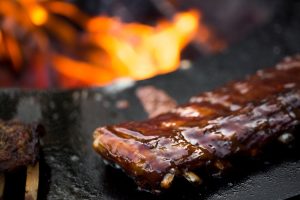
A St. Louis-style bbq plate is unique with its combination of meats, sweet and tangy sauces and traditional sides. This tradition is famous for its deliberate cooking technique and the unification of various foods on a single plate. Each component has its function, and the combination of tastes, colors and textures is transparent and pleasurable.
They say a good St. Louis barbecue plate begins with ribs, not just any kind. St. Louis ribs are the meatier cut — the cartilage is cut away for a nice, uniform appearance. This made the ribs easier to cook and eat. Along with ribs, you’ll frequently see pork steaks, cut thick and grilled low and slow, hot dogs, burgers, and Italian sausage. Each meat contributes its own flavor and texture.
The ribs are grilled first, not smoked, and then dipped in a tomato-based sauce. This technique imparts a signature caramelized finish to the meat. The grilling requires care, maintaining a low, steady temperature for a few hours and testing for an internal temperature around 88°C (190°F) to ensure the meat is tender and juicy.
The sauce is a big reason what makes St. Louis barbecue so different. St. Louis-style sauce is sweet and tangy with ketchup as a base and brown sugar, apple cider vinegar, salt, pepper, and a mix of mild spices. It’s not spicy, but rather delivers a bright, robust flavor that complements the grilled meats. Every bite is perfectly balanced and the sauce really adheres to the meat due to its thick, sticky consistency.
Sides are as important as the meat in this barbecue style. Potato salad, coleslaw, and baked beans grace nearly every plate. The creamy potato salad and crisp coleslaw provide a cool counterpoint to the spices and richness of the meat. Baked beans, of course sweetened with brown sugar, repeat the sauce and provide extra flavor to the meal.
These sides don’t just fill your plate, they round out the meal and keep every bite exciting. It’s not only how it tastes, it’s how it looks. A complete plate St. Louis BBQ is vibrant and textured. The deep red and brown of the glazed ribs, the golden potatoes, the white and green from the coleslaw, and the dark beans all make the meal look alive.
They’re all designed to be mixed and matched so each person can discover the perfect combination to their palate. The fun is in the experimentation of different combinations. Combine ribs with slaw or pork steak with baked beans and try them out to see what clicks. Mess around with extra sauce or experiment with how the sides affect the meal.
The complete plate encourages each of us to discover our own optimal blend.
More Than Smoke
St. Louis barbecue is more than just food. It’s an experience that we can all share. It’s not style for style’s sake but about the way people come together, share stories and connect through cuisine. Barbecue in St. Louis is about more than smoke. It’s about a tradition of hospitality and good cheer, where friends and neighbors swap plates and tales, drenched in sauce and sweat, backyards and local parks.
Grilling, then saucing the meat in the last 15 to 30 minutes gives hosts a chance to demonstrate prowess and affection for their guests. It’s what distinguishes St. Louis from the long-slow wood smoking employed elsewhere. It’s not unusual visiting there to see families sharing sauce bottles, dipping ribs into sweet tangy sauce and eating with their hands as kids run and play nearby.
The sauce, thinner and more vinegary than Kansas City’s with its tomato, brown sugar, apple cider vinegar, salt, pepper and spices, ties every bite to the city’s culinary roots. BBQ events and competitions are a way of life. Each summer, the city buzzes with festivals and competitions attracting professional cooks as well as backyard pitmasters.
Contestants come together not just to compete but to exchange wisdom, trade recipes, and sample one another’s ribs, pork steak, snoots, or rib tips. The camaraderie is obvious as rookie and seasoned cooks swap places at their grills, joking and exchanging tips. These hunts aren’t just about food; they’re about pride, respect, and preserving traditions.
Even the down-home approach of serving meats with sodden white bread to sop sauce is a tip of the hat to both tradition and pragmatism. Nothing more than clean-cut slabs of spare ribs, grilled to tender perfection. These are moments we pay homage to the meat and the craft.
Local breweries and craft beer were a big part of the experience. Most barbecue joints serve their meals with beers brewed ‘just down the street’. These pairings are not accidental. Brewers and pitmasters collaborate to pair flavors, using the crispness or richness of a brew to complement the sweetness or acidity of the sauce.
It’s traditional for barbecue festivals to serve beer tastings, making it a full sensory feast. This connection between food and drink supports local business and adds an additional layer of enjoyment for restaurant goers. To appreciate St. Louis barbecue is to recognize the craft and love that goes into each stage, from the meticulous sauce mix to the cut of meat.
It’s why the city ranks number one in the country in sauce consumption per capita.
Tradition Meets Today
St. Louis-style barbecue occupies a crossroads of old and new, forged by the city’s meatpacking past and its proximity to Kansas City. Its heritage comes through in its selection of proteins, spare ribs, pork butt, and even snoots and rib tips, all blessed with a signature treatment that favors grilling and saucing over slow smoking or thick dry rubs. The tradition is simple: finish smoked or grilled meat with a sweet and tangy tomato-based sauce that is thinner and more vinegary than Kansas City’s, and always serve with a slice of plain white bread to soak up every last drop.
St. Louis’ modern chefs honor these traditions and they inject new life. They experiment with cooking techniques for added meatiness. Some employ fast grilling over hot coals, some add in tender smoking for a hint of wood flavor.
New flavors arise from things like global spices, fruit glazes or even locally brewed beer added to the sauce. For instance, a chef could season it with a little chipotle for unexpected smokiness or a drizzle of honey for extra sweetness. These changes keep the food fresh and never lose the heart of St. Louis-style: meat with a bold, sweet, and sharp sauce.
Restaurants aren’t the only venue to sample this style. Food trucks and pop-up spots now deliver St. Louis barbecue to more palates. These roach coaches dish out ribs, pork steak, and even snoots to city park or festival crowds.
Others have pared down menus but concentrate on one or two traditional items, allowing them to be meticulous about every element. It is easy for anyone to sample the taste of true St. Louis barbecue, even if you can’t make it to a real restaurant. Food trucks experiment too, perhaps a rib sandwich with pickled onions or pork steak tacos with a side of sweet slaw, so more can taste the style in new ways.
For the adventurous, it’s great for discovering old and new venues. Take a barber shop barbecue joint where it all started. Find a truck or pop-up and taste some innovative twists that still ring authentic.
Every joint, old or new, honors the city’s deep barbecue heritage and demonstrates how St. Louis continues to evolve while still holding onto what makes its food so delicious.
Your Home Grill
Bringing St. Louis-style BBQ into your home begins with a few basic steps and attention to the little things. It all comes down to what you use and how you use it. You want a grill that offers choices, so prepare it for two-zone grilling. That means you have a hot side and a cooler side to your grill.
This allows you to slow cook ribs on one side and reserve the other side for quick sears or vegetables. St. Louis-style ribs cook in the oven at about 150°C. This stable heat allows you to cook through the meat without burning the exterior.
You want to select your meat thoughtfully. St. Louis-style ribs come from the pig’s belly, trimmed neat and flat. Before you hit the grill, trim off extra fat from the ribs. This allows the smoke and rubs to seep in and prevents your meat from getting oily.
Some cooks torch the ribs first. The torch assists in caramelizing the surface and infuses a note of smokiness from the jump. It’s a little extra effort, but it really does draw out the flavor.
Your wood, your taste! St. Louis BBQ uses hardwoods such as oak or hickory. These woods burn steady and provide a nice, rich smoke. If you want to get close to the real deal, choose wood chips or chunks that you can find at most stores.
Soak them in water for 30 minutes and then throw them on your coals. If you’re using a standard grill, pile your coals to one side and place the meats over on the other. Use a plate setter or heat shield underneath the ribs to cook slow and even.
Sauce is a huge part of STL BBQ. The original sauce is sweet, tangy, and tomato-based. You can whip some up at home with tomato paste, vinegar, sugar, and spices! Others mop it on during the final 30 minutes on the grill.
Some enjoy serving it on the side. Just try both ways and see what you like best. Watch for the meat to pull away from the bone about half to one-third of an inch. That means your ribs are done.
Experiment with different meat cuts, like beef brisket or chicken, to discover your preferences. Throw a backyard BBQ and invite friends or neighbors. Nothing like sharing what you make; it’s a chance to experience, discuss, and appreciate the artistry that really sets St. Louis BBQ apart.
Conclusion
This is what makes St. Louis style BBQ the best. It’s straight flavors and simple ways. Ribs were trimmed and stacked, slathered in tangy sauce. Smoke wafts light over the grill, not too much, not too little. Sides like slaw, beans, and white bread fill the plate and bring folks together. City pride runs through each bite. Pits ignite in backyards and on crowded avenues. Tried-and-true techniques encounter fresh takes. With change, the heart stays the same—good food shared with friends. Light up your grill, take a rib cut or sauce twist for a test drive, and taste how St. Louis keeps BBQ close to home! Discover, savor, and create your own legend with each bite.
Frequently Asked Questions
What sets St. Louis style BBQ apart from other barbecue styles?
What’s unique about St. Louis style BBQ is their trimmed pork ribs, tomato-based sauces, and an emphasis on flavor and presentation. The flavors are balanced and the cooking style is direct heat for a tender, juicy finish.
Why are St. Louis ribs popular worldwide?
St. Louis ribs are perfect because they’re meaty, easy to eat and have a consistent shape for even cooking. Their rich flavor and tender texture attract barbecue enthusiasts from around the world.
What is typically served with St. Louis style BBQ?
Typical sides are cole slaw, baked beans, and potato salad. These sides balance the richness and subtle sweetness of the BBQ.
Is St. Louis style BBQ only about ribs?
No, it comes with other meats such as pork steaks and sausages. That unique rib cut and sauce style are the most iconic.
What kind of sauce is used in St. Louis style BBQ?
St. Louis style BBQ employs a tomato-based sauce that is sweet, tangy, and occasionally a bit spicy. This sauce complements rather than overwhelms the flavor of the meat.
Can I make St. Louis style BBQ at home?
Sure, you can make it at home with trimmed pork ribs and St. Louis style sauce on your grill or in the oven. It is approachable for chefs of all levels.
Does St. Louis style BBQ rely heavily on smoke flavor?
No, it’s actually less smokey than some other styles. It’s all about the sauce and the quality of the meat, which makes it accessible to many palates.