- Key Takeaways
- The Rib Rundown
- St. Louis Style
- Pitmaster’s Craft
- A Saucy Debate
- The Neighborhood Joint
- Rib Culture
- Conclusion
- Frequently Asked Questions
- What makes St. Louis-style ribs unique?
- Where can I find the best BBQ ribs in St. Louis?
- What type of wood do St. Louis pitmasters use for smoking ribs?
- Is St. Louis barbecue sauce sweet or spicy?
- Can I find good BBQ ribs outside downtown St. Louis?
- Are St. Louis ribs pork or beef?
- Do St. Louis BBQ spots offer gluten-free rib options?
Key Takeaways
- First, you have to know the difference between baby backs, spare ribs, and St. Louis style ribs. All have their own texture, flavor, and cooking time.
- Knowing the ins and outs of BBQ, such as temperature, seasoning, marinating, and smoking techniques, like hickory or apple wood, allows you to achieve that perfect tenderness and flavor in each rack of ribs.
- What makes St. Louis BBQ so exceptional is its signature rib cut, its balanced sweet and tangy sauce, and a long tradition of carefully selected woods for a distinct smoke profile.
- Trying out different dry rubs and sauces, homemade or store-bought, really lets you customize and shows how much of an impact regional and personal taste has on the final product.
- BEST LOCAL NEIGHBORHOOD BBQ JOINTS – St. Louis has a ton of local neighborhood BBQ joints that have their own standout rib experiences.
- Getting involved in St. Louis BBQ culture, whether through attending events or experimenting with new techniques at home, helps you develop a greater respect for the craft and build a community around great food.
Best BBQ ribs in St. Louis are from joints where slow-cooked pork combines with sweet and tangy sauce, smoke billowing in the back and smiles at the counter.
St. Louis’ barbecue history runs deep, forged by mom-and-pop joints and hotter-than-hell pitmasters. Each joint puts its own twist on things, blending old-school techniques with regional tastes.
To assist in discovering the best, this guide examines locations renowned for their tender, perfectly sauced ribs and authentic St. Louis flavor.
The Rib Rundown
Of all the things that make St. Louis’s BBQ scene sizzle, ribs is where the rubber meets the road. Picking the perfect cut and prep style really makes a difference, whether you’re at a local spot or making them at home. Here’s the low down on what differentiates each rib, how they’re smoked, and what flavors make them the stars of the city!
- Baby backs, spares, and St. Louis-style are the three main rib cuts in St. Louis BBQ. Baby backs are the most tender and smallest, running around three to six inches long and curved. That curve provides them a more tender chew and aids them in browning a little quicker. Spare ribs are longer and meatier, with more fat, so they absorb a ton of flavor. These can be six to eight inches long.
St. Louis-style ribs are cut from spare ribs but trimmed to be flatter and more uniform, which helps them cook more evenly and look great on a serving platter. Every cut has a unique fat, shape, and bone makeup that alters how you cook and serve them.
- Here’s the Rib Rundown. Most people in STL begin ribs in a 300 degree oven on a lined baking sheet to catch drips. Slow-roasting for a couple of hours renders them fall-off-the-bone tender. When they come out, ribs typically get a brush of sauce, then a quick broil to caramelize the glaze.
Smoking is big as well, with woods like hickory for added richness. The key is low and slow; hurry and it dries the meat. If you’re marinating or seasoning, prep ahead to give time for the flavors to soak in. Four hours is typical for a full rib rundown, beginning to end.
1. The Classic Cut
Baby back ribs rank right at the top of many a St. Louis die-hard BBQ fan’s list! They’re cherished for being lean and tender, with a subtle pork taste that plays well with delicate or bold sauces. Their curved bones and smaller size make them easy to dig into and share.
They cook nice when wrapped in foil to steam them moist, then finished with a quick broil or grill. Serve with zesty slaw or baked beans for a meal that really showcases the ribs.
2. The Fall-Off-The-Bone
Low and slow at 300°F, be it oven or smoker, gets ribs to that fall-off-the-bone stage. It’s a slow process, taking two hours or sometimes more, depending on thickness. Keeping them covered holds in moisture.
Allowing them to rest once removed from the oven lets juices settle, so every bite remains tender.
3. The Saucy Showstopper
St. Louis sauces skew sweet and tangy with tomato, vinegar, and brown sugar. Certain joints employ house-made blends, while others lean on faith-based brands. The appropriate sauce can enhance smoky flavors or complement the pork’s richness.
Sampling both store-bought and homemade provides an idea of the spectrum. Too much sweetness overwhelms, so the best sauces strike a balance.
4. The Dry Rub Delight
Dry rub consists of salt, black pepper, paprika, garlic powder, and a little sugar. The rub goes on ribs a minimum of an hour prior to cooking. Others go a St. Louis twist with celery salt or mustard powder.
Each neighborhood has its own mix, so sampling different places exposes you to new flavors.
5. The Neighborhood Secret
It’s The Rib Rundown. Small spots like Bogart’s Smokehouse or Pappy’s have die-hard crowds and distinct tastes. Locals tell tales of midnight snacks and clan reunions over rib platters.
Diving into under-the-radar joints gives this city’s BBQ culture some real meat.
St. Louis Style
St. Louis-style barbecue is deliberate in both its care for ribs and the meal as a whole. The city’s BBQ culture holds tradition as sacred and embraces new tangy flavors and hearty side dishes to complement the meal. St. Louis style ribs have a unique cut, signature sauce, and distinct smoking techniques that developed in tandem with the city’s culinary scene.
| Feature | Description |
|---|---|
| Rib Type | Spare ribs, trimmed to a rectangular shape |
| Sauce Profile | Sweet, tangy, tomato-based, with a mild vinegar bite |
| Smoking Wood | Hickory most common, sometimes oak or fruitwoods |
| Usual Sides | Baked beans, coleslaw, potato salad, fried corn, candied bacon |
| Toppings | Provel cheese, especially on sandwiches or nachos |
| Dining Style | Casual, laid-back, often rustic joints |
The Cut
St. Louis-style ribs are pork spare ribs that have been trimmed down into a neat rectangular shape, with the sternum bone, cartilage, and rib tips removed. This cut makes the ribs a flat shape that cooks uniformly and presents nicely on the plate.
Because it uses spare ribs, there is an excellent mix of meat and fat, adding each tender bite with lots of moisture and a deep, pork-heavy flavor. Trimming is the secret. By trimming the excess cartilage and the rib tips, chefs fashion a slab that’s meatier and more manageable than full spare ribs.
This assists with even smoking, as each rib receives equal exposure to the smoke. St. Louis-style ribs are flatter and wider, and often times tastier because of that extra bit of fat. Texas and Memphis styles skew toward other cuts or preparation techniques, but St. Louis clings to this trimmed spare rib as its signature.
The Sauce
St. Louis-style sauce is nearly always tomato-based, thick, and glossy. It’s slathered or basted on and frequently served for dipping. The taste skews sweet but not too sweet, with brown sugar and ketchup at the forefront.
Vinegar and a touch of mustard provide a tang that cuts through the richness. This sauce sets itself apart with a careful balance of sweetness at first, then tanginess, with a mild heat that stays in the background. The sauce’s stickiness ensures that it clings to the meat, which makes each bite even more packed with flavor.
Unlike the dry rubs of Memphis or the mustard sauces of Carolina, St. Louis sauce is about sweet and tang. Cooks typically mop the sauce on in the final stage of smoking or grilling. This caramelizes the sugars without burning and creates that shiny, flavorful bark that defines the ribs.
The Smoke
Hickory is king in St. Louis BBQ. It carries a robust, slightly sweet smoke that complements pork. Oak or fruitwoods like apple occasionally make an appearance, but hickory remains the traditional choice for its consistent strength and complexity.
Smoke’s not just flavor, it creates color and that tender, pink smoke ring right under the bark! Ribs are often smoked low and slow, at approximately 225°F, for four to six hours, though times vary depending on slab thickness.
The smoke imbues a hearty, meaty flavor to the ribs that holds its own against the sauce. Too much smoke can overwhelm the sweetness, so pitmasters seek balance. The outcome is a rib that’s ju
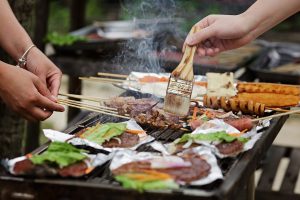
icy, smoky, and distinctly St. Louis.
Pitmaster’s Craft
Mastering BBQ ribs in St. Louis isn’t just about putting meat on smoke. The craft combines skill, patience, and reverence for tradition. Pitmasters here depend on a keen instinct for temperature, timing, and the subtle shifts of smoke to draw out the finest flavors and textures.
Every rib is a narrative of hours watching coals, bark checks, and making subtle heat and humidity adjustments. Everybody’s got their signature rub or sauce that distinguishes one table from the next. Their recipes are family affairs and only passed onto those who work hard enough.
The craft develops batch by batch, as patience and hands-on experience are the only true instructors.
Wood Choice
| Wood Type | Pros | Cons |
|---|---|---|
| Hickory | Strong, classic BBQ flavor | Can overpower delicate meats |
| Oak | Balanced, versatile | Less distinctive aroma |
| Apple | Sweet, mild smoke | Subtle, sometimes too light |
| Cherry | Adds color, mild fruitiness | Harder to find locally |
| Mesquite | Bold, intense smoke | Easily bitter if overused |
As different woods craft each bite, from the bold flavor of hickory to the subtle sweetness of apple. St. Louis pitmasters swear by mixing in oak for balance and occasionally a bit of cherry wood for color and a hint of fruit.
Charcoal burns steady and provides a foundation heat, but wood carries real taste. Some use only hardwood for that rich smoke ring, while others blend both for heat control. Experiment with different blends, such as apple and hickory or oak with cherry, to discover what complements your rub and sauce best.
Rub Philosophy
A rib rub is about more than just salt and pepper. St. Louis pitmasters look for balance, mixing sweet, salty, heat, and a touch of tang. Brown sugar, paprika, garlic powder, and cayenne often form the base, but each cook tweaks the mix.
Some lean into local tastes with mustard or celery seed, while others add global twists, like cumin or even coffee grounds. Rub style is history and culture driven.
Memphis is dry and spicy, Texas is bold and peppery, St. Louis likes sweet-savory, sometimes smoky, even before the meat reaches the pit. You learn best by doing. Start with a simple base, add your own spin, batch after batch.
Glaze Technique
The glaze does more than make it glisten. It locks in moisture and adds flavor depth. Most pitmasters apply glaze late in the cook, when the bark is established but the meat can still absorb sauce.
Applying it too early causes it to burn, and applying it too late means it just sits on top. Classic St. Louis glazes use tomato, vinegar, and brown sugar, sometimes a splash of local beer or a hint of honey for depth.
Every pit puts its own spin. There is nothing like that perfect glaze that coats ribs with a deep red shine, sticky to the slightest touch, capturing everyone’s eyes even before that first bite. Presentation is just as important as flavor.
A Saucy Debate
The best BBQ ribs in St. Louis debate isn’t just about flavor. It’s a question that depends on how the ribs are cooked, the sauce that covers them, and the hometown customs that have determined these preferences. St. Louis stands out for its unique style. Within that, you’ll find two main schools of thought for rib preparation: dry rub and sauced. Both have their own merits and demerits, and both speak to the deeper Midwestern and Southern BBQ traditions.
- Dry Rub Ribs
- Merits:
* Lets the meat flavor shine through without hiding it behind sauce.
* Seasonings such as black pepper, paprika, and garlic powder form a crust that adds texture.
* Is typically less messy, allowing you to chow down with your hands.
* Stands up well to slow smoking, which is prevalent in STL.
* Provides a more sophisticated flavor to those who enjoy detecting subtle spice notes. - Drawbacks:
* Can turn out too dry if not cooked just right.
* Might not have the sweet or tangy punch that sauce enthusiasts desire.
* Could taste insipid to fans of bold flavors.
* Requires a longer rub-soak-in prep time.
- Merits:
- Sauced Ribs
- Merits:
* Delivers that signature sticky, sweet, and tangy St. Louis flavor.
* Aids in keeping the ribs juicy, even if a little overdone.
* Sauce caramelizes when heated, adding a beautiful shine and depth of flavor.
* Tempts more palates, particularly BBQ virgins.
* Most spots serve house-made sauces so every joint has its own unique twist. - Drawbacks:
* Sauce can mask the quality of the meat.
* Damn delicious, drippy and in need of additional napkins.
* Sugar in the sauce will burn if you leave it on the grill too long.
* More difficult to determine the doneness or seasoning of the ribs under the coating.
- Merits:
Both styles pull from the bigger BBQ culture. St. Louis BBQ has immigrant and Southern beginnings. St. Louis Style ribs: Once upon a time, the city’s butchers used to trim ribs into a tidy rectangle, now labeled the ‘St. Louis cut’. Sauce-laden ribs honor the city’s obsession with sweet and tangy tomato-based BBQ, a staple of local spots such as Pappy’s or Bogart’s.
Dry rub exhibits the influence of Memphis and Kansas City, both just a short car ride away. It’s not unusual for St. Louis BBQ joints to serve both and even allow diners to self-sauce on the side.
You really don’t know if you like dry rub or sauced ribs best until you try them both! There’s no definitive answer to the best BBQ ribs in St. Louis because everyone has different taste buds and backgrounds. There are those who swear by the sticky, finger-licking glaze of a well-sauced rack and still others who can’t get enough of the smoky punch of a dry rub.
The Neighborhood Joint
St. Louis is loaded with BBQ rib joints. The neighborhood joint distinguishes itself with its warm, relaxed atmosphere. They feel like a low-key cookout on the weekend that just about anyone can attend. Most have a small-town look inside, with small tables, paper towel rolls, and patio seats just right for sunny days. The walls have always been known to display sports-themed artwork, giving every joint its own vibe and connecting them to the heartbeat of local fans and families.
Our own neighborhood BBQ joints have established loyal crowds by doing more than just the basics. Ribs with a deep smoke ring, fall-off-the-bone tender meat, and a bark that carries flavor through every bite. These guys take it a step further with inventive daily specials and fusion plates. One joint has a turkey leg special every Friday, a dish that keeps the regulars coming back week after week.
It’s not just ribs on the menu—guests can order gumbo, cheese curds, or mac ‘n’ cheese, all prepared with the same attention to detail as the meat. The candied bacon is another hit, a sweet and smoky treat that steals the side show. These joints keep their menus fresh, shaking up the classics with new twists while keeping the spirit of STL BBQ front and center.
What truly distinguishes these spots is their atmosphere. That’s the spirit – the spirit that the funkiest, most genuine BBQ joints in St. Louis have and that big chains just can’t duplicate. They smell like home for locals and fresh faces alike. They came for the ribs, but they stay for the togetherness.
Whether you’re sitting inside with sports memorabilia all around or out on the patio with friends, it’s always about good food and good people. The aroma of smoke, the glimpse of ribs on the pit, and the sound of laughter make it more than a meal.
For those looking to sample the finest, the obligatory order is the traditional St. Louis-style ribs, slow-baked and glazed in a tangy-sweet sauce. A side of gumbo or mac ‘n’ cheese finishes out the feast. On Fridays, the turkey leg is a local legend. For a change, those in the mood can take a chance on their daily specials or cheese curds.
Backing these local joints is about more than great eats. It’s about keeping the neighborhood spirit alive and supporting small businesses with tons of BBQ pride city-wide.
Rib Culture
St. Louis barbecue ribs are more than just cuisine. They’re a way of life. The city’s decades-old barbecue obsession has birthed a unique style that breaks midwestern stereotypes and influences others around the country.
St. Louis-style ribs, a cut from the spare rib, are famous for their neat square shape and meaty bite. We trim away excess cartilage and breastbone, creating a uniform rib rack for even cooking. This style of cut is loved by backyard grillers and pitmasters alike for its ideal ratio of meat to fat that aids in flavor and tenderness.
St. Louis barbecue has a secret weapon, a special sauce that is sweet and sticky with a vinegar tang and always tomato-based. The sauce is laid on thick, so you get a mouthful of rich, bold flavor with every bite. Unlike other regional sauces, St. Louis sauce omits the liquid smoke, allowing the flavor of the rib and grill to shine through.
Dry rubs are another secret; most use brown sugar, paprika, garlic powder, onion powder, cayenne and black pepper. The rub creates a crust as the ribs cook slowly over wood or charcoal, sealing in juices and contributing dimension to the flavor. It’s not about the meat alone, though. White bread is the retro side for soaking up that extra sauce. Every bite counts. This easy tradition underscores the fact that every inch of the dinner counts.
Barbecue St. Louis is not just the act of cooking, it’s a community coming together. Rib joints and backyard smokers serve as gathering points for neighbors, families, and friends, places to share food and stories. The city’s barbecue roots stem from the 1920s, evolving from humble local stands to bustling smokehouses that still pull lines out the door.
The connection to Kansas City-style barbecue is close; both have methods and flavors in common, but St. Louis maintains its own identity in cuts and sauces. Rib culture owes a lot to festivals and events. The rib lovers annual Q in the Lou festival welcomes top pitmasters and thousands of visitors to sample ribs from St. Louis and around the globe.
Rib culture is a highlight of the St. Louis BBQ Society competitions where local teams showcase their own special takes on sauces and rubs. Block parties, church cookouts, and summer fairs typically revolve around the smoker, so barbecue really is a year-round event. These assemblies are all-inclusive and inviting where you can simply show up and be educated about the art.
Jumping in on local traditions is the real St. Louis flavor. How about a slab of ribs with some orangey-sticky sauce and white bread to mop up every drop? Chat up locals during a festival or cookout and listen to how barbecue fortifies memories and friendships.
Barbecue here isn’t a food; it’s a warm, open invitation to participate in a city’s narrative.
Conclusion
St. Louis ribs bring the goods. St. Louis pitmasters don’t monkey around—low n’ slow, real wood, meat that just falls off the bone. They’re proud of their craft here. Each spot puts its own spin on sauce, rub, and wood, but the goal stays the same: bold taste and good times. Residents and tourists alike wait in queue for the genuine article, be it at a neighborhood joint or a backyard cookout. St. Louis makes ribs that stick with you. So next time you’re jonesin’ for a rack, mix it up and try a new joint or stick with your tried and true faves. Got a rib joint you can’t live without? Pass it around and let the taste do the talking.
Frequently Asked Questions
What makes St. Louis-style ribs unique?
St. Louis style ribs are trimmed spare ribs with the breastbone removed. They’re flatter so you can brown and grill them more easily and evenly. The style is known for its meaty texture and signature sweet, tangy barbecue sauce.
Where can I find the best BBQ ribs in St. Louis?
Best BBQ Ribs in St. Louis
You can’t go wrong with local favorites – Pappy’s Smokehouse, Bogart’s Smokehouse, and Sugarfire Smoke House. These joints are renowned for their fall-off-the-bone ribs and genuine St. Louis BBQ experience.
What type of wood do St. Louis pitmasters use for smoking ribs?
Hickory is the wood for ribs in St. Louis. Some pitmasters use cherry or apple wood for a sweeter, mild smoke flavor.
Is St. Louis barbecue sauce sweet or spicy?
St. Louis barbecue sauce is generally sweet and tangy, with a tomato base and a hint of vinegar. It is less spicy than Kansas City or Memphis sauces and is a crowd pleaser.
Can I find good BBQ ribs outside downtown St. Louis?
Sure, tons of neighborhood joints in South City, The Hill and North County dish out great ribs. Local BBQ culture thrives both in the city and in surrounding areas.
Are St. Louis ribs pork or beef?
St. Louis style ribs are always pork. They are cut from the belly side of the rib cage and are meatier than baby back ribs.
Do St. Louis BBQ spots offer gluten-free rib options?
Most STL BBQ joints have gluten free rubs and sauces. Best BBQ ribs in St. Louis, but always ask the staff to be sure as recipes may change.